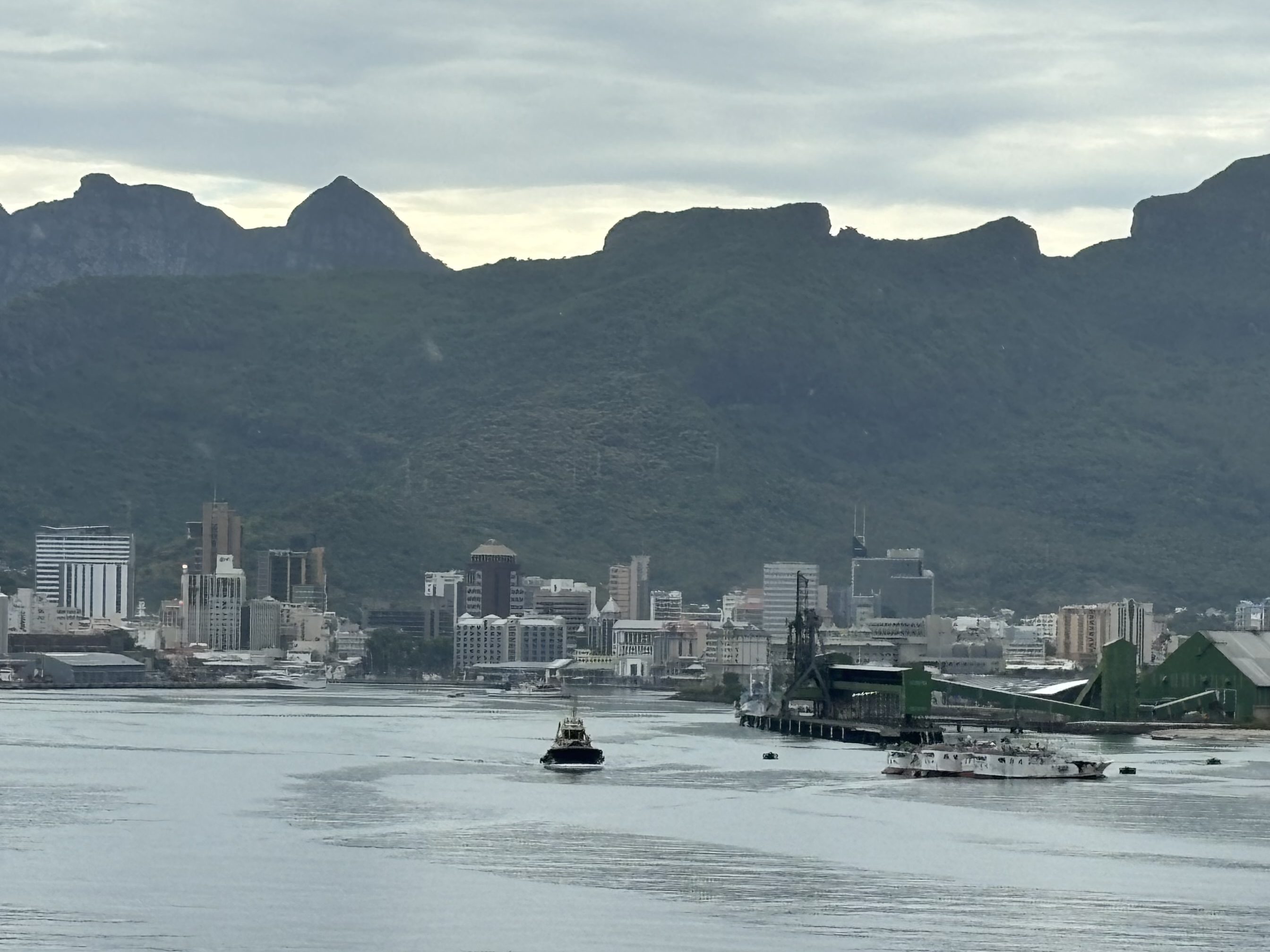
We arrive in Port Louis, Mauritius at breakfast hour. Mauritius is well known for being the scene of the demise of the Dodo bird due to the actions of the sailing ships and their crew having arrived at the uninhabited island around 1510. I think it took about 30 years to wipe the Dodo’s out. Mauritius has been independent since 1968, having most recently with the British as the overlords. French before that. They speak “Mauritian creole” which is unintelligible to folks like us.
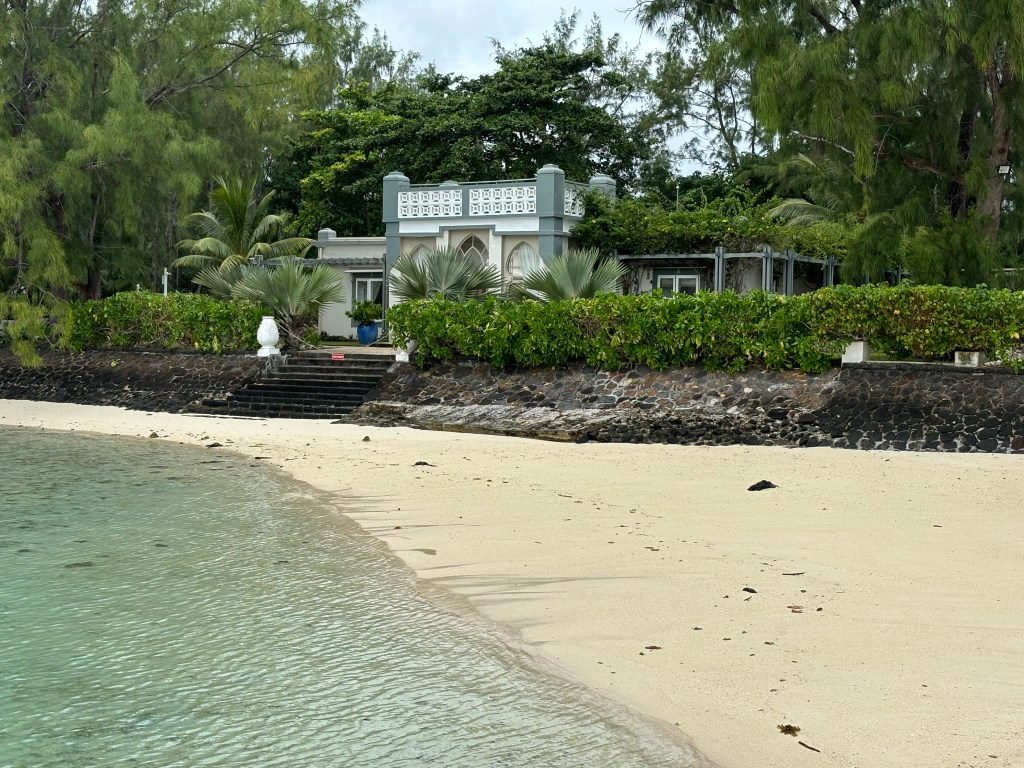
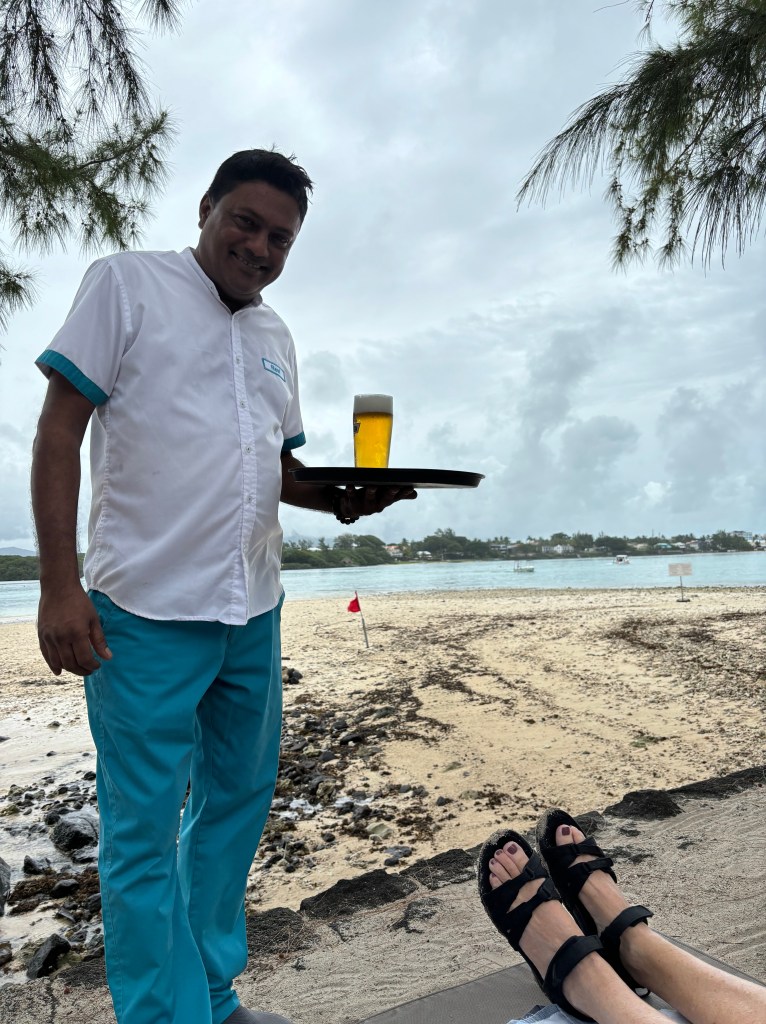
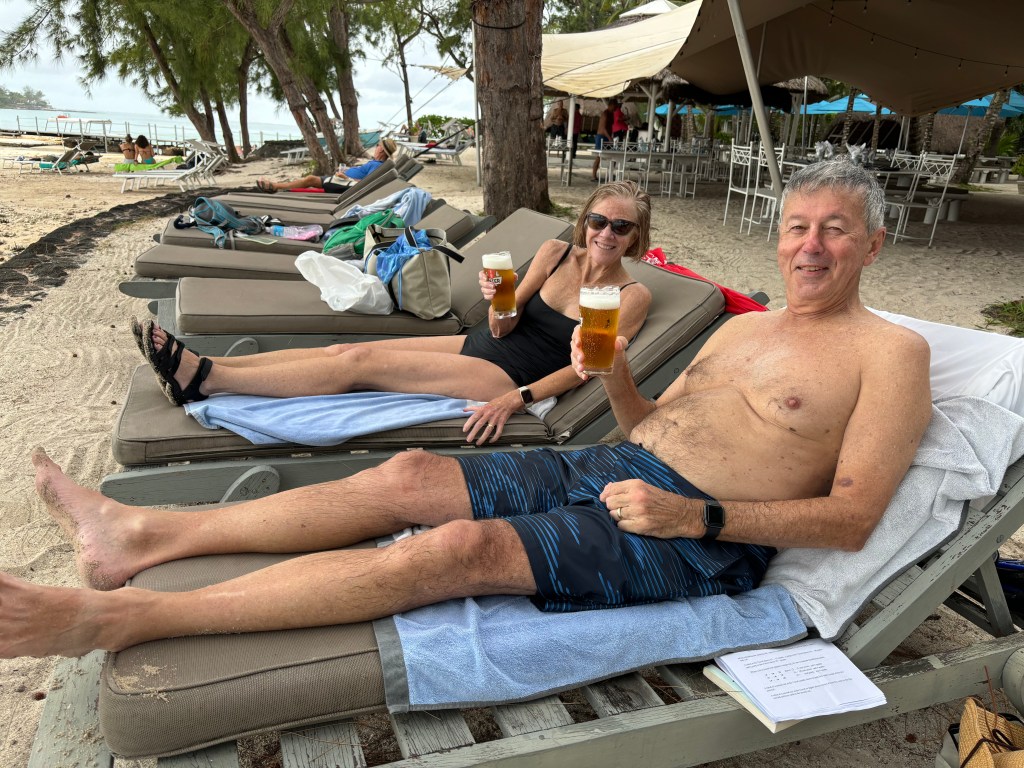
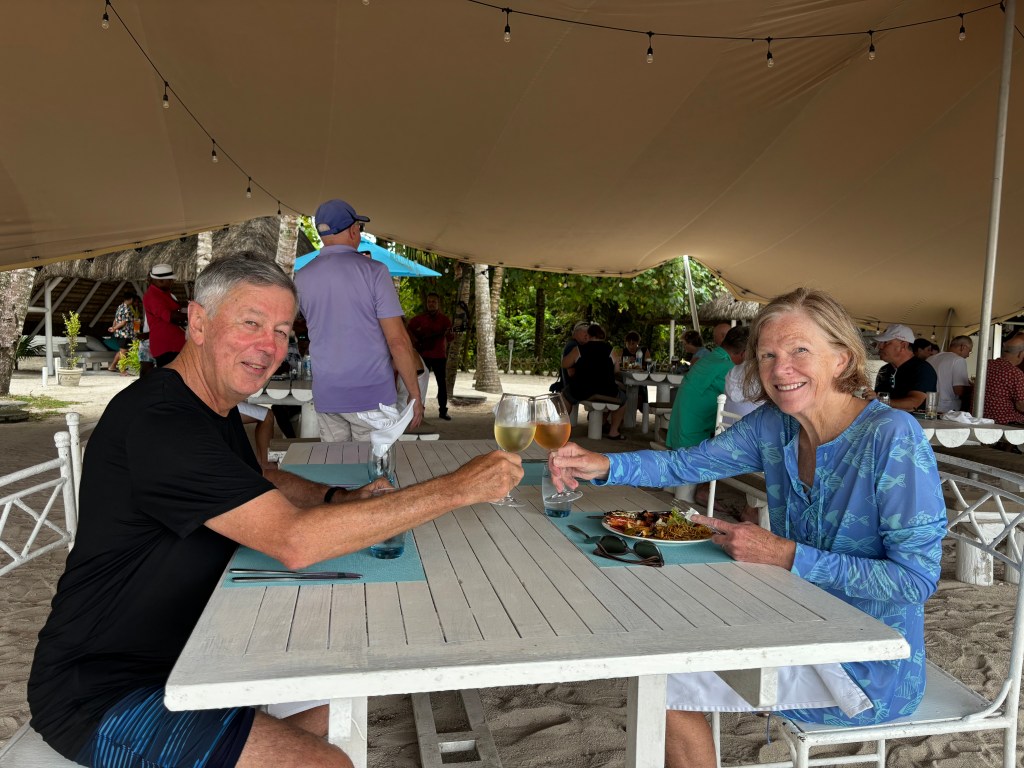
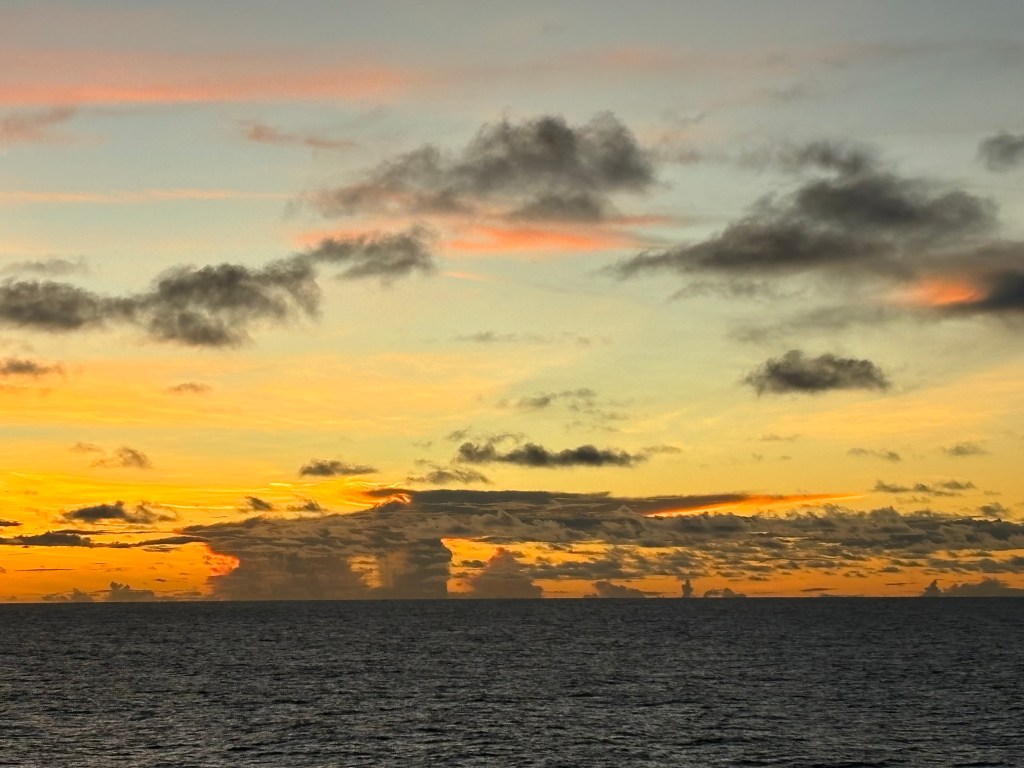
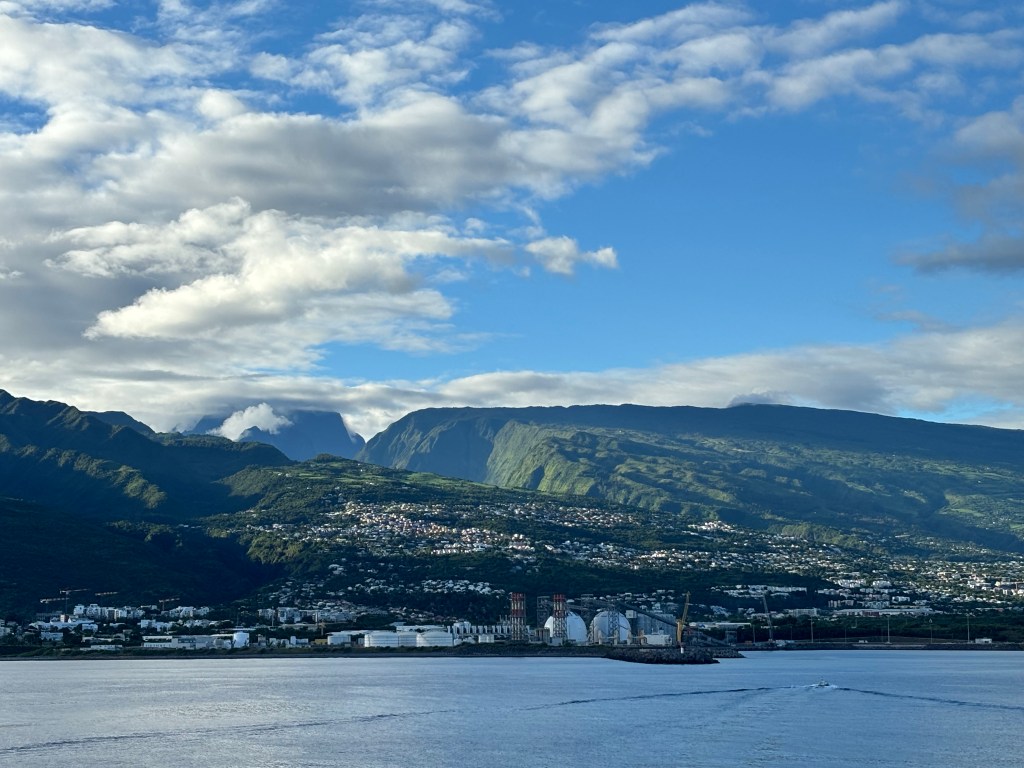
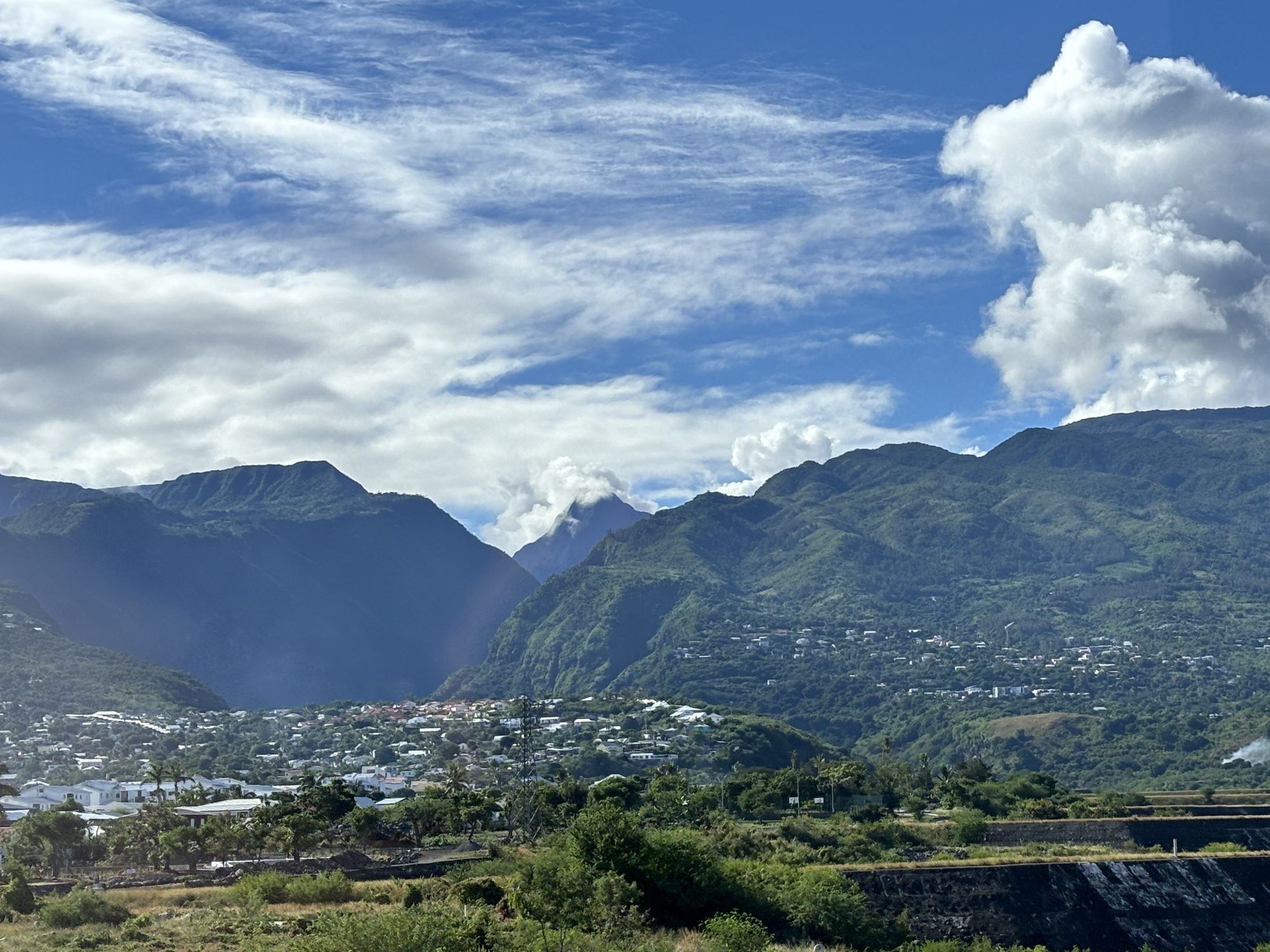
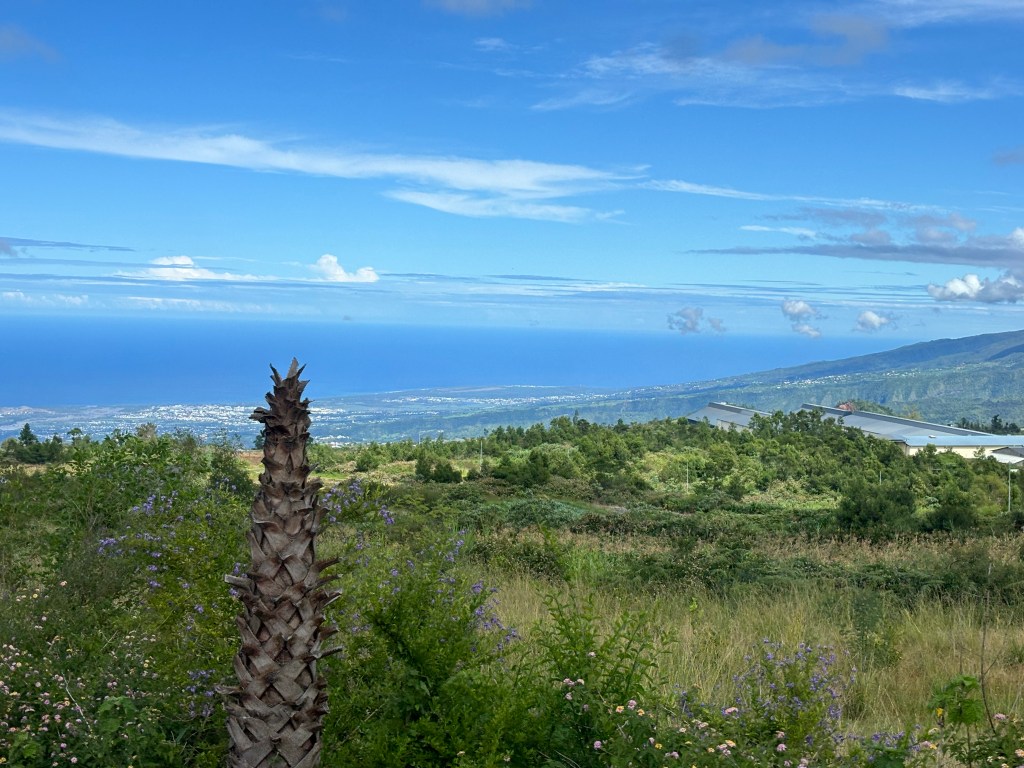
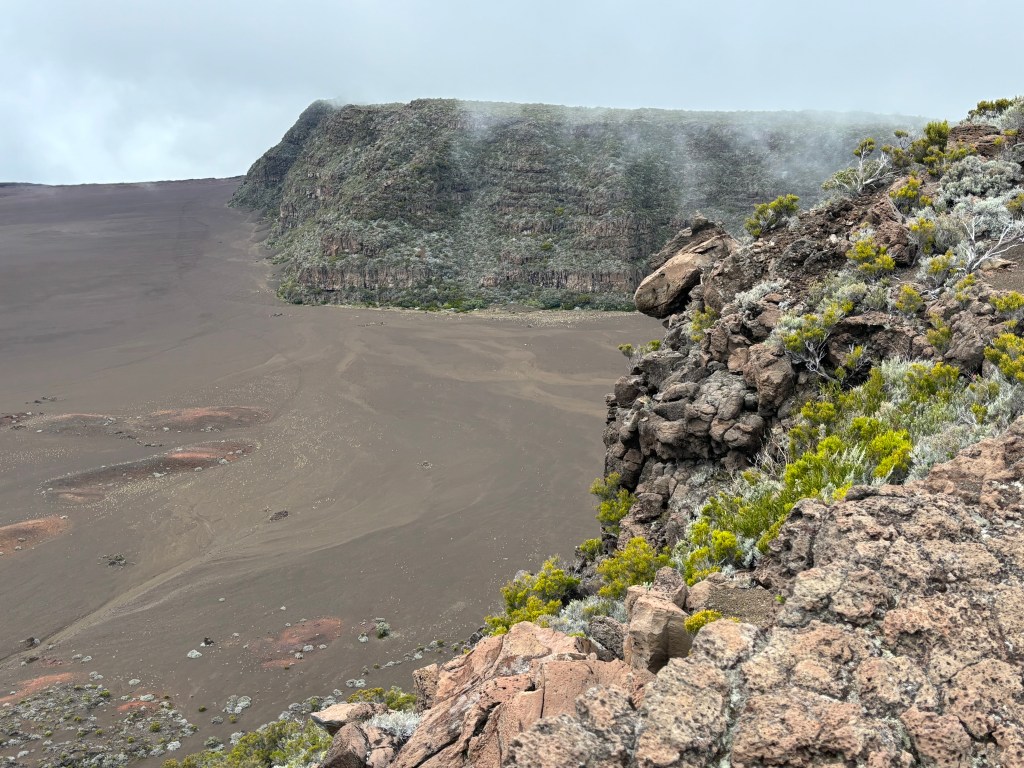
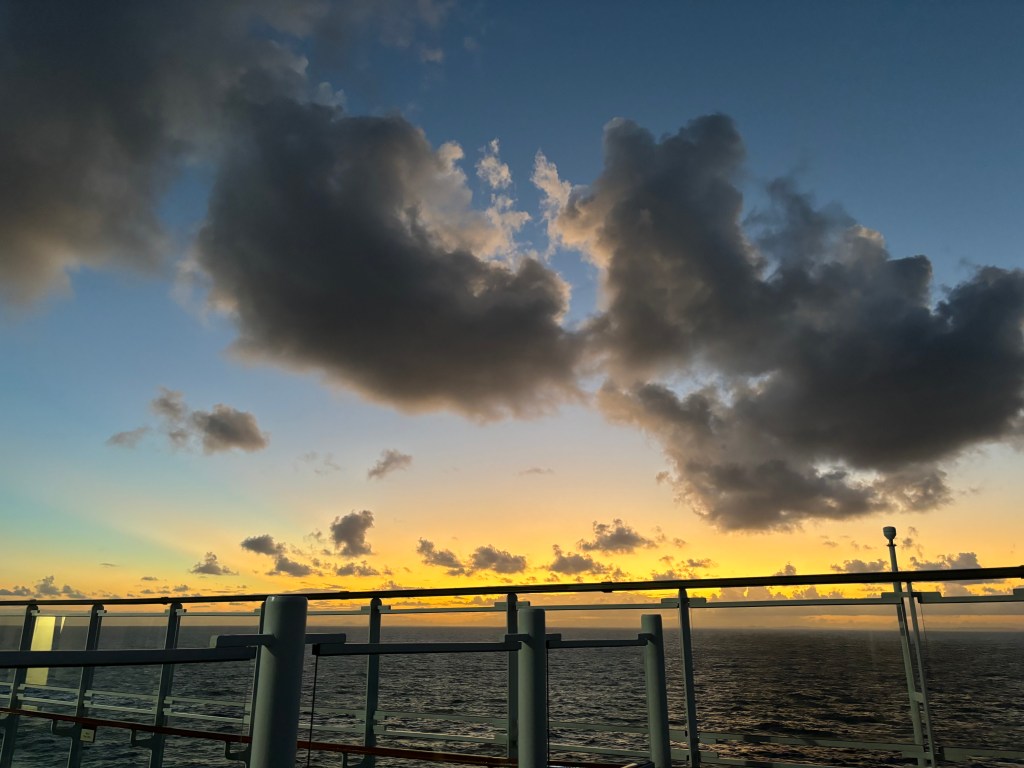
Our excursion takes us across the island to the southeast shore where we head out to a small island, Isle des Deux Cocos, for an afternoon of snorkeling, buffet lunch and relaxing on the beach front. Transfer to the island was on a glass-bottom boat.Ravi knows how to take care of the guests!And then we’re off to Reunion, only about 300 miles to the west. Here’s a couple of sunset pics taken from our deck.The next stop is Reunion Island. Our guide pointed out that as a French territory, their capital city is Paris, and Macron is their President. Interesting. We tie up to our dock in La Port.Reunion and Mauritius are volcanic islands that were formed as the tectonic plate that they are on drifted over the “hot spot” below, such as the Hawaii story. Reunion being the younger island has higher and more active volcanos than Mauritius. Our Reunion excursion took us on a lengthy bus ride to view the active volcano and surroundings. Apparently it is one of the most active volcanos in the world and could erupt again any day. Last significant eruption was about a year ago. Unfortunately, we only had good viewing at one of the three spots on our agenda due to clouds and light rain. Here’s a few en route pics.Our pit stop and lunch venue was up at around 4,500 foot elevation – significantly cooler. The pyramid-shaped building behind was a Volcano Museum that we toured for about an hour – very well done.Here’s the one viewing spot that we were able to see. Apparently this was the least dramatic of the three target sites, so the others must be more impressive. The flora was also fun to see as it changed dramatically as we gained elevation with the upper elevations hardly having any plant life. Elevation here was between 5000 and 6000 feet.
We had two days for touring in Columbo, Sri Lanka, and then one day in Cochin, India – both very interesting. Both cities are about the same population as Seattle.
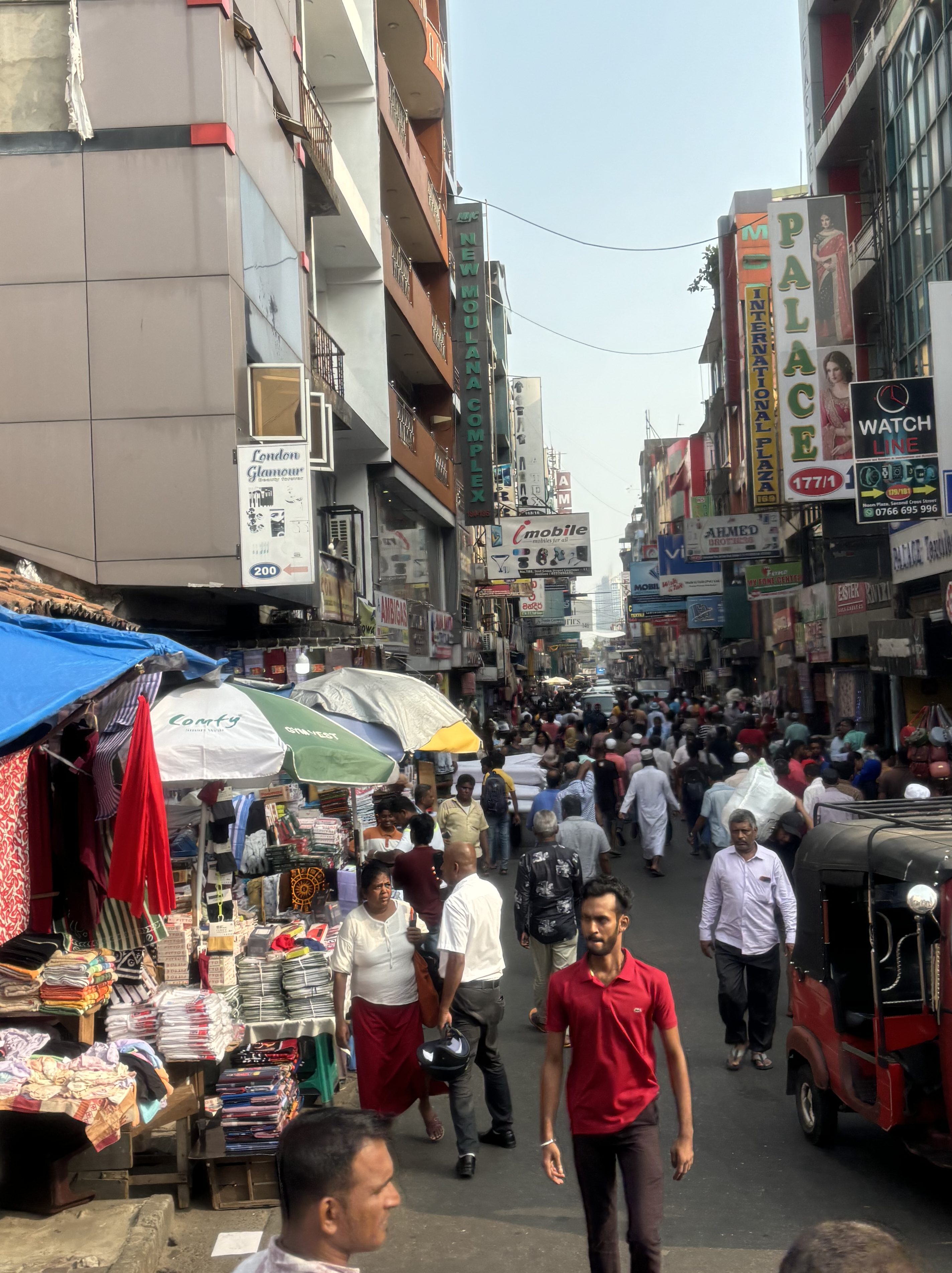
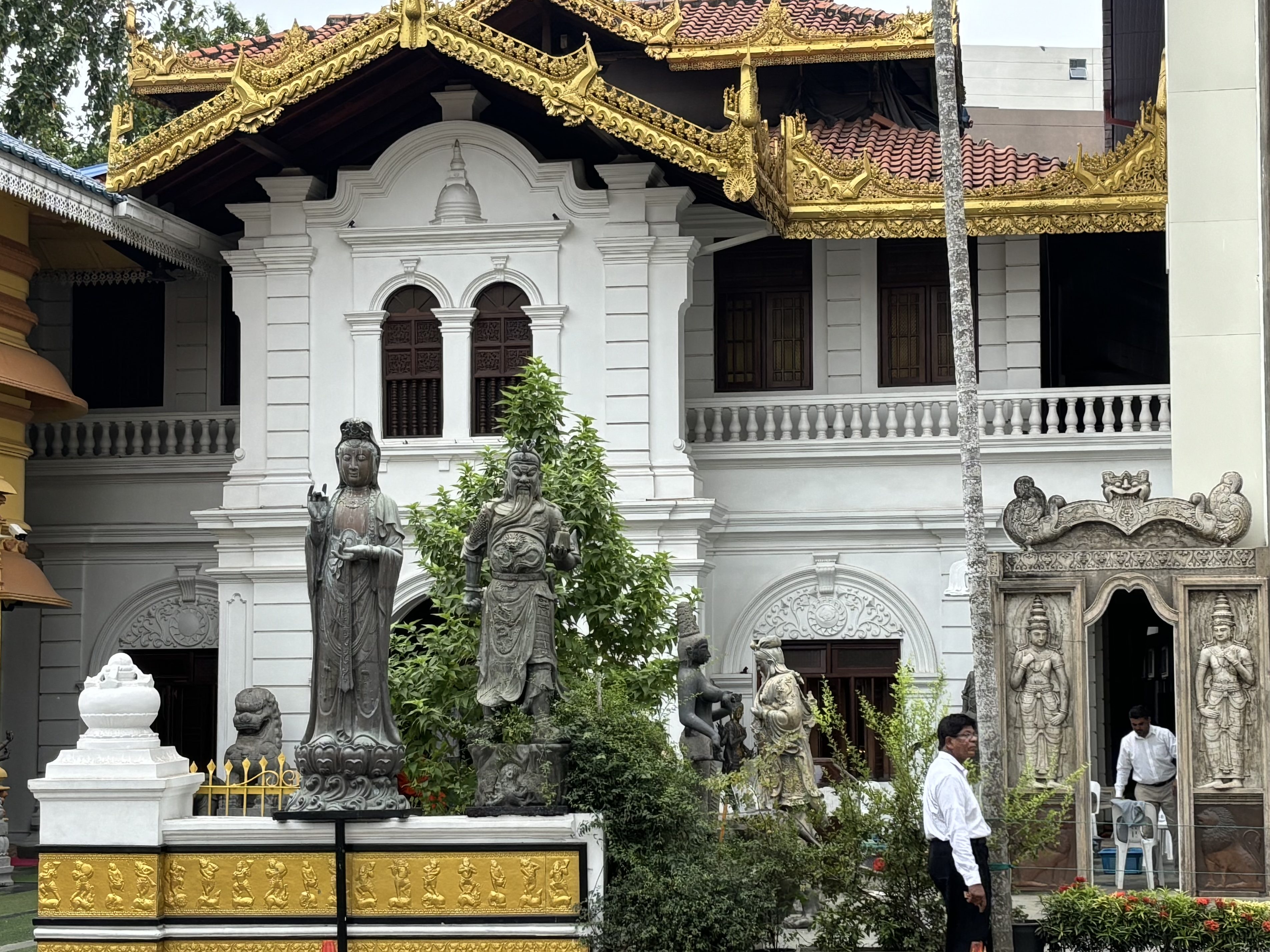
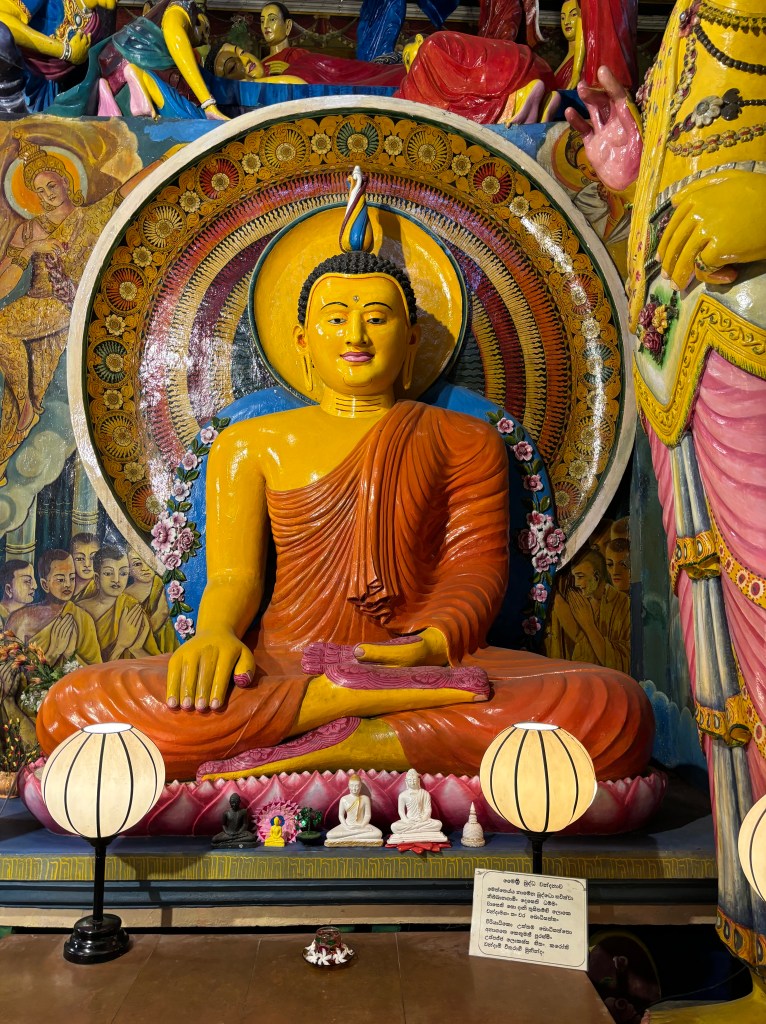
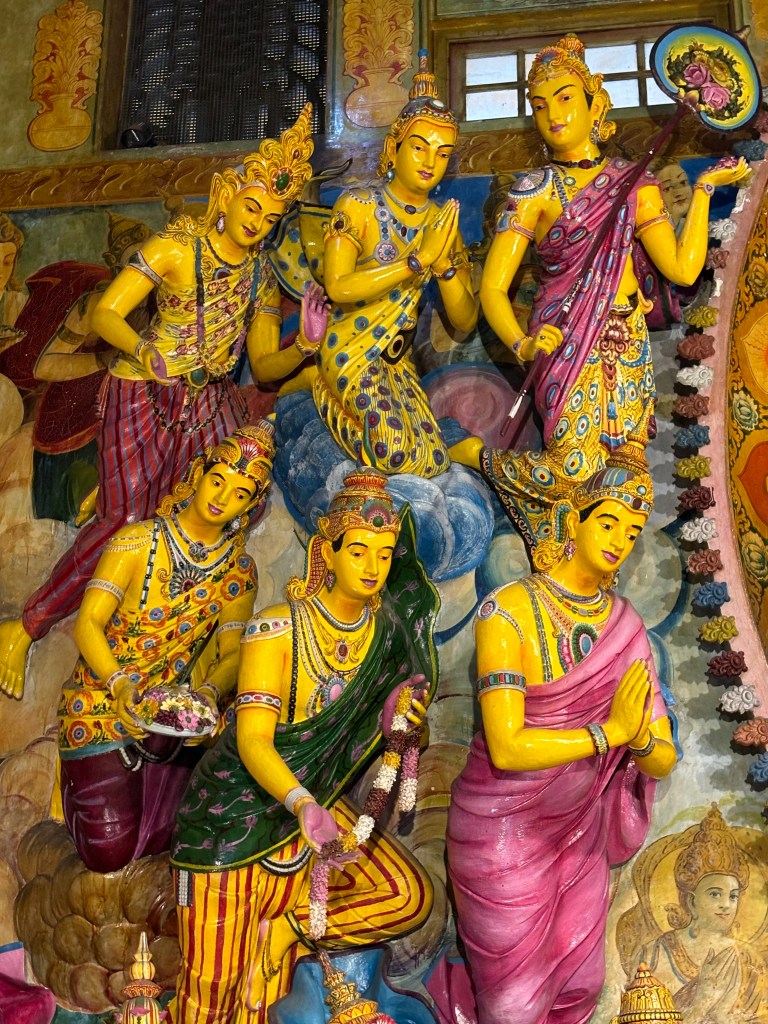
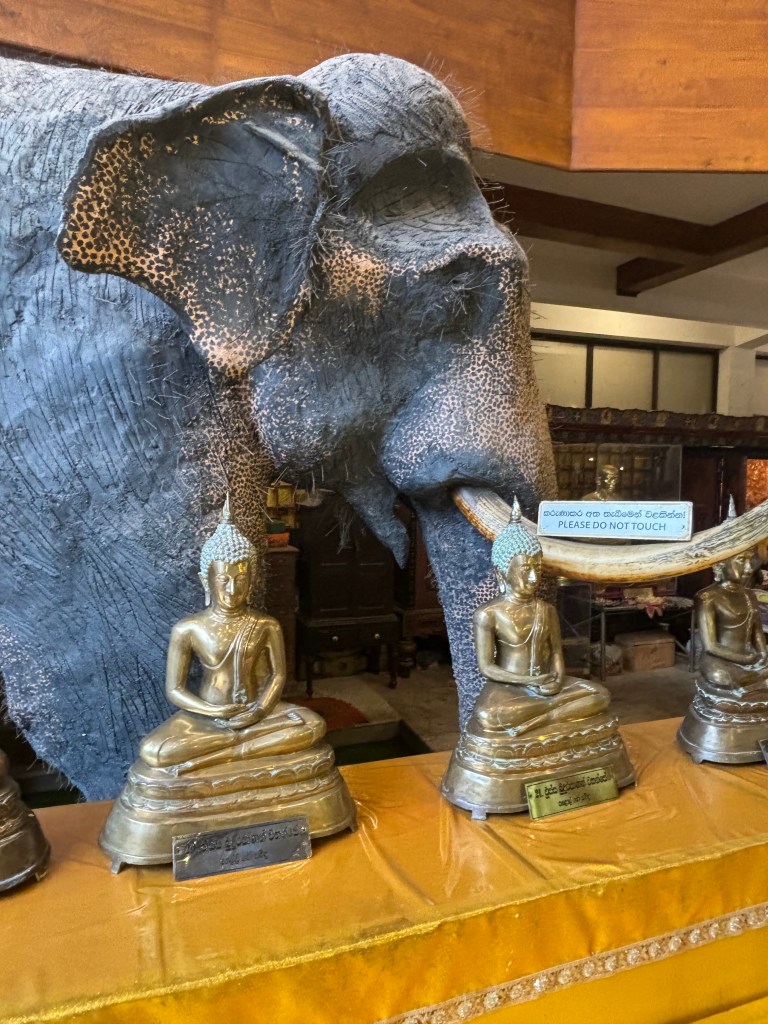
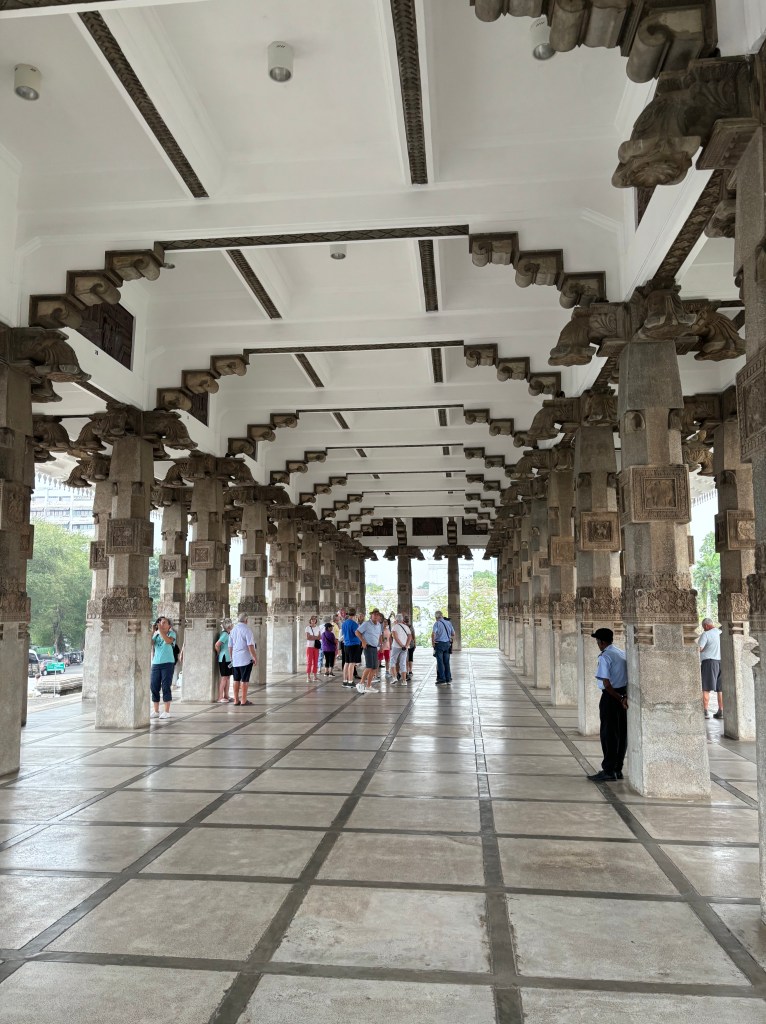
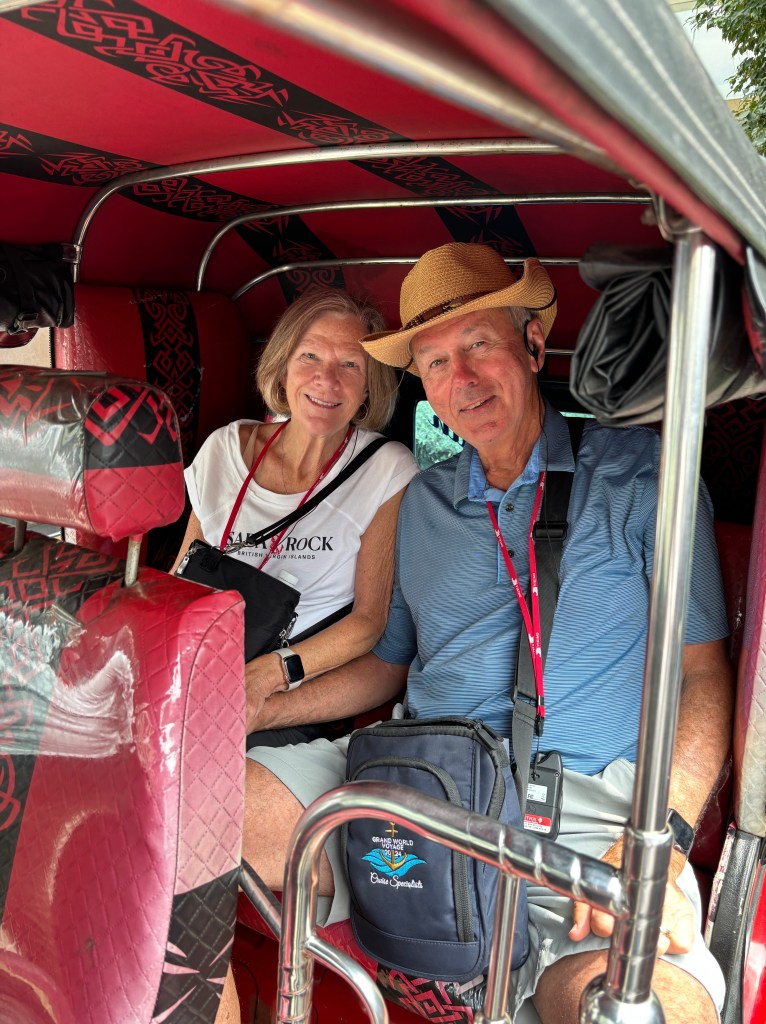
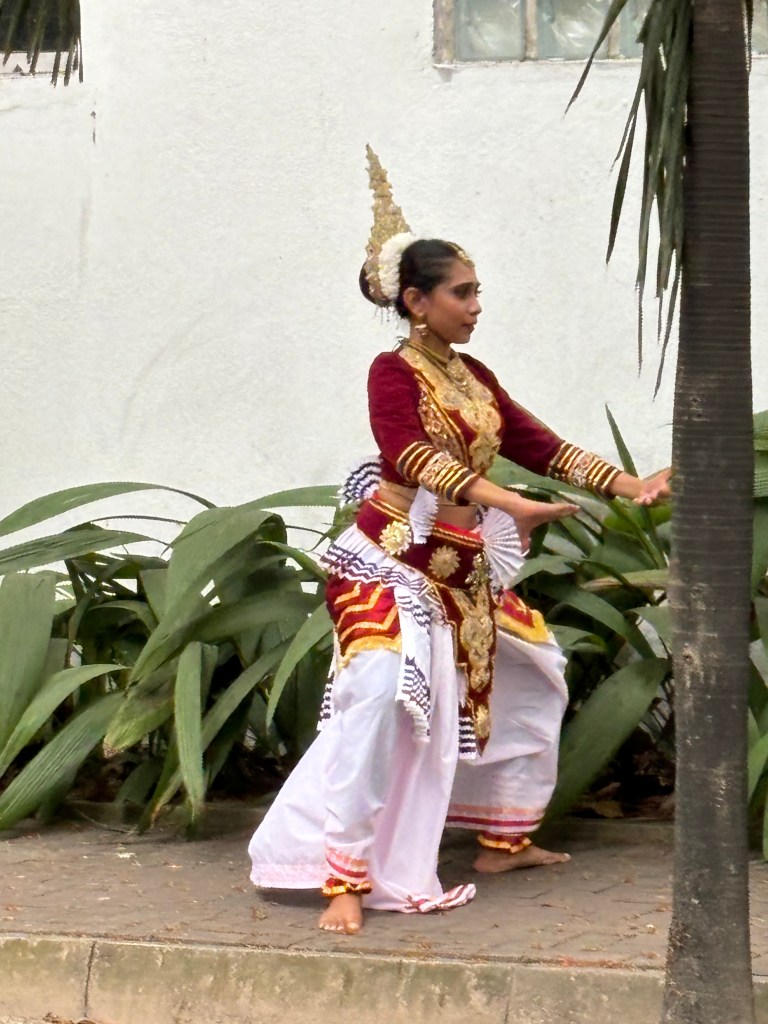
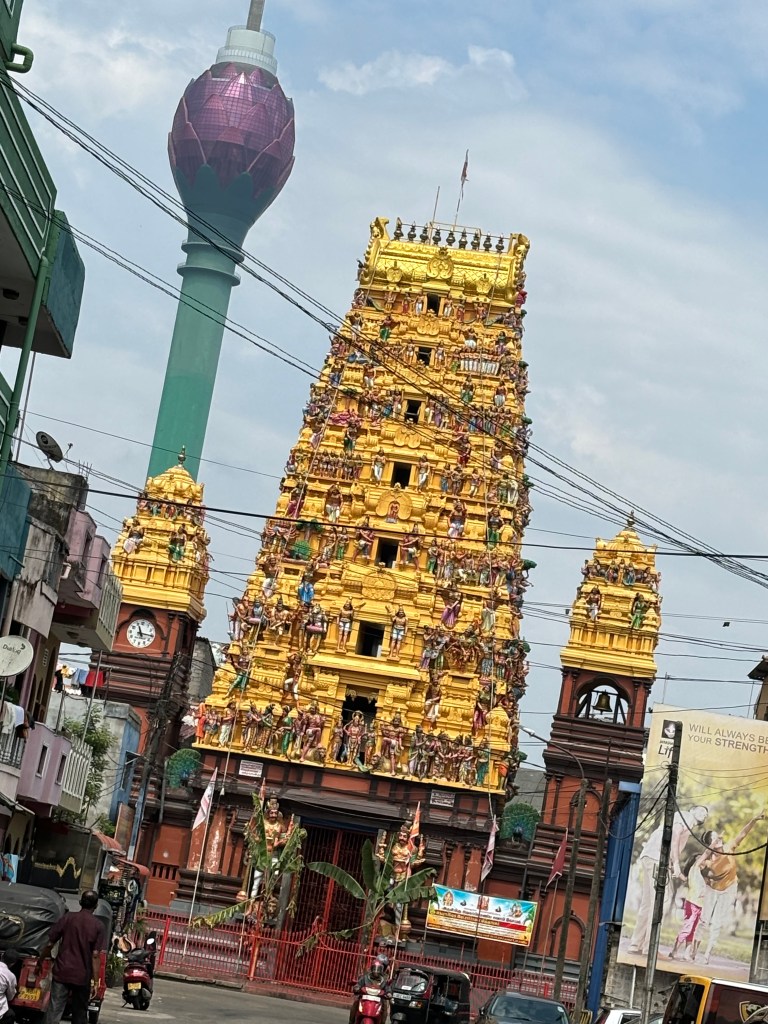
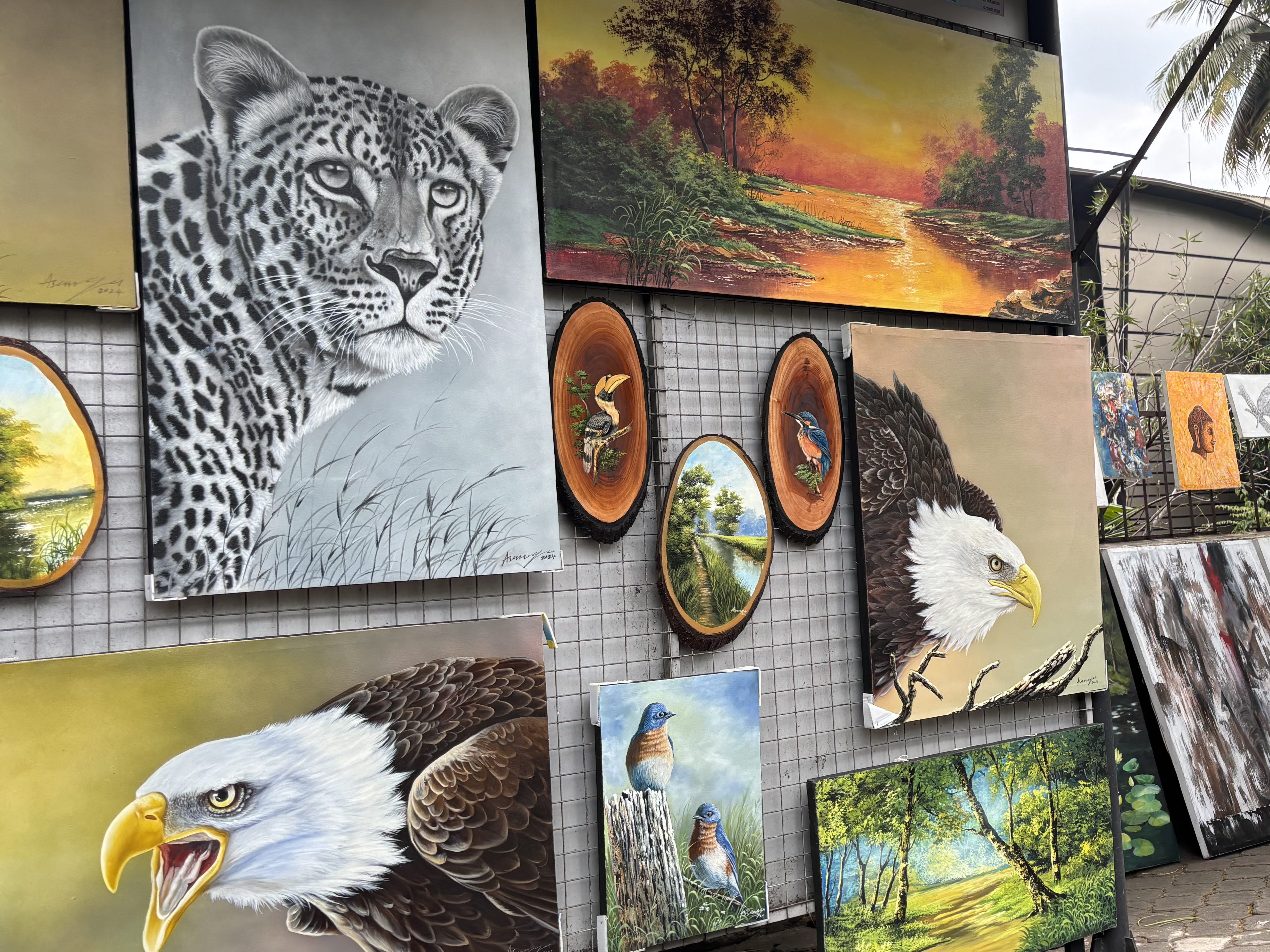
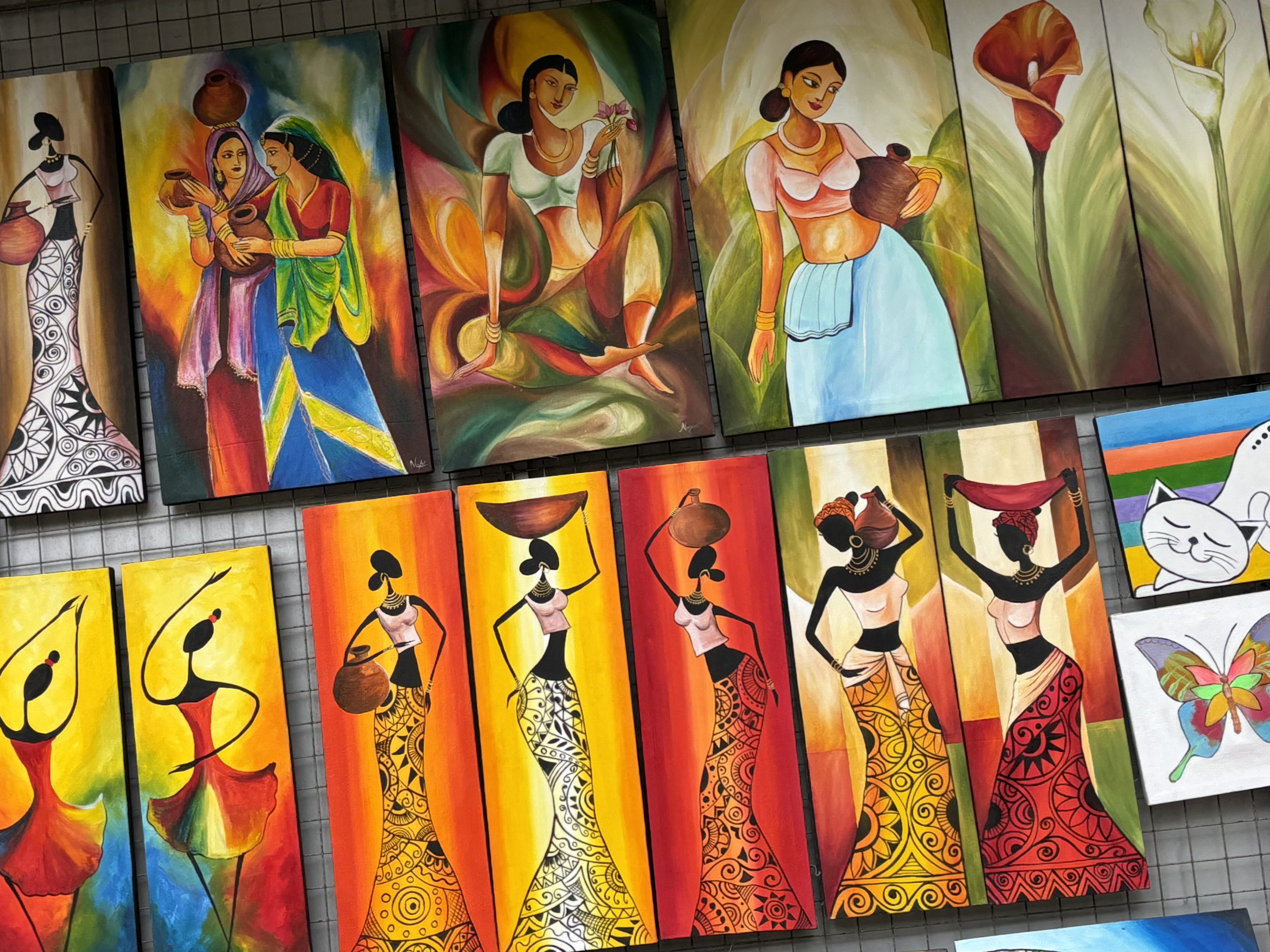
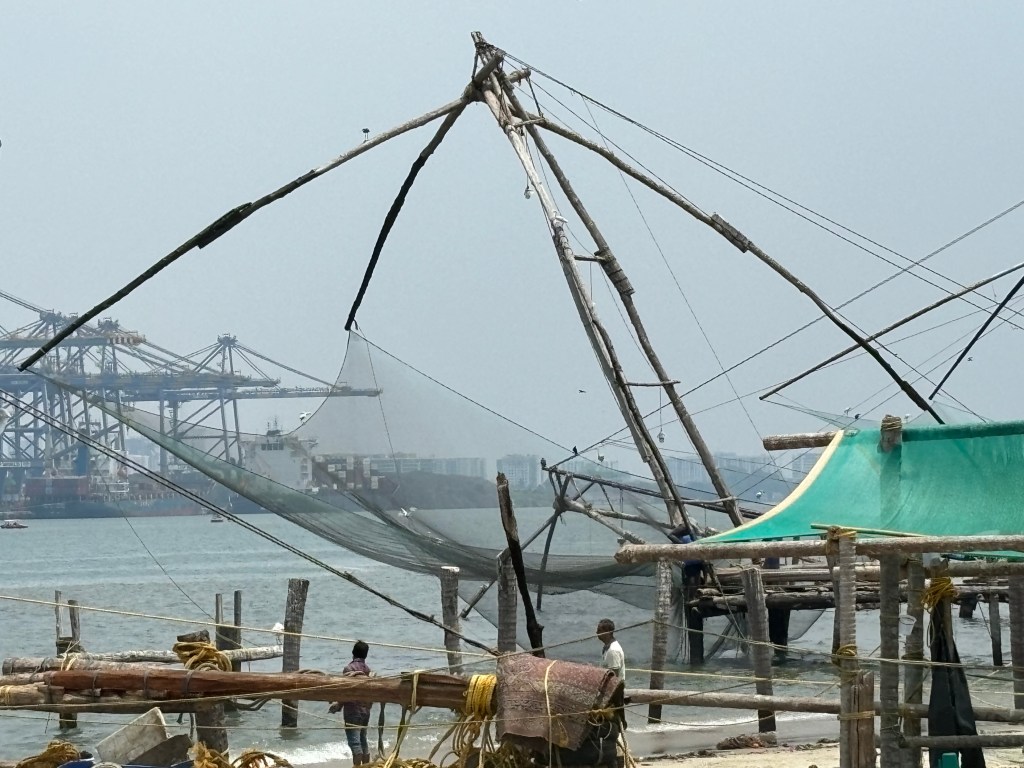
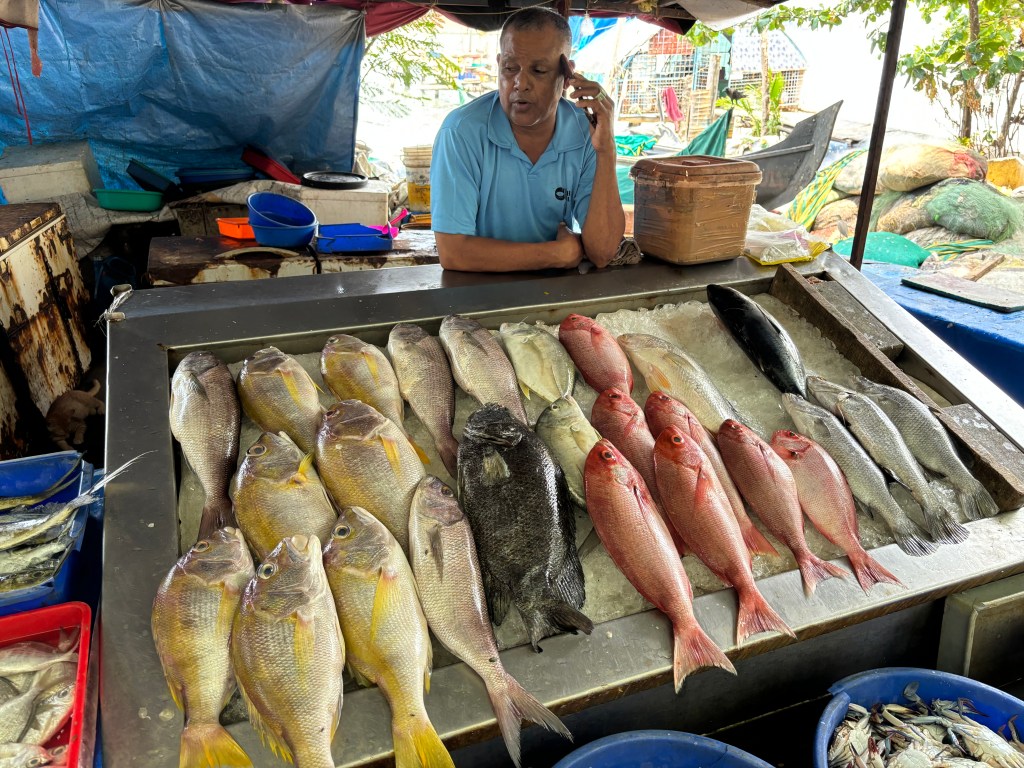
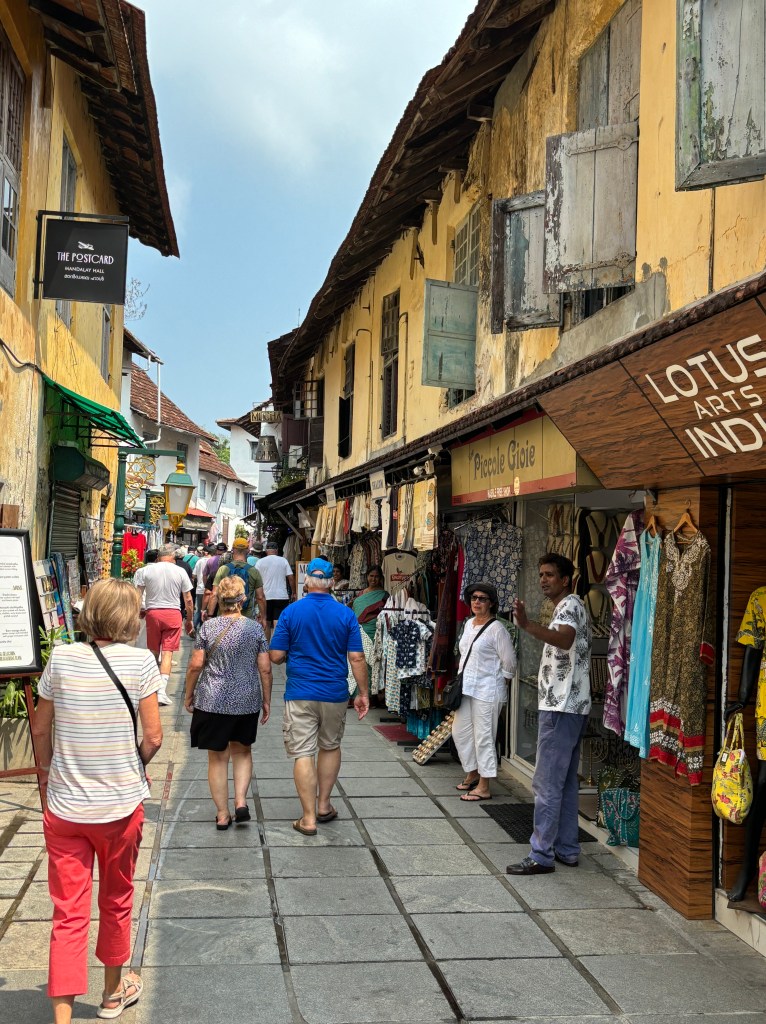
Here’s a typical downtown Columbo street with market action.And their landmark tower.Sri Lanka is about 70% Buddhist. We visited a big temple.And included this handsome elephantNext stop was Independence Square, commemorating independence from Britain in 1948 (along with India). Their history is similar to other nations with the colonial influence starting with the Portuguese in control followed by the Dutch and then the English.Our tour guide said we could call him Obama.And the snake charmers were out. It cost us a buck for this photo.On day two in Columbo we went for a Tuk-tuk tour of town.Here’s our friendly driver.This gal was practicing her moves on the sidewalk for some reason.Street scenes. Here’s a Hindu temple (about 12% of Sri Lankans are Hindu)And a Buddha in a park.Art for sale. I think he said the art was done by the students at a local art school.And then we’re off to Cochin, India which was the first place of arrival and the “foot-in-the-door “settlement for Vasco da Gama back in 1498. Nice harbor.They have a unique fishing program on the shores of the entrance channel. They drop these nets into the shallow water using a counterbalanced and cantilevered affair, then raise them up and collect the fish before the birds get them. They attribute the design to Chinese. This works best at the end of flood tides – not so good on the ebb tides with scruffy river water coming out.Fish vendors and others are on shore behind the nets.The locals like to decorate their trucks.We visited a Jewish community – surprising in the midst of all of the Hindu’s, Buddhist’s and Muslim’s.Here’s an old Catholic church that was having a Palm Sunday mass so we could not go in. This dates back to the original Portuguese days and was where Vasco do Gama was interred for about 15 years (about 1520 to 1535) until his son had his remains moved to Portugal.And on a lighter note, here’s where some of the Hotel Marigold series was filmed – a few steps away from the Catholic Church.
The first stop in Malaysia was Kuala Lumpur (known locally as KL) – the capital and biggest city – population about 1.8 million.
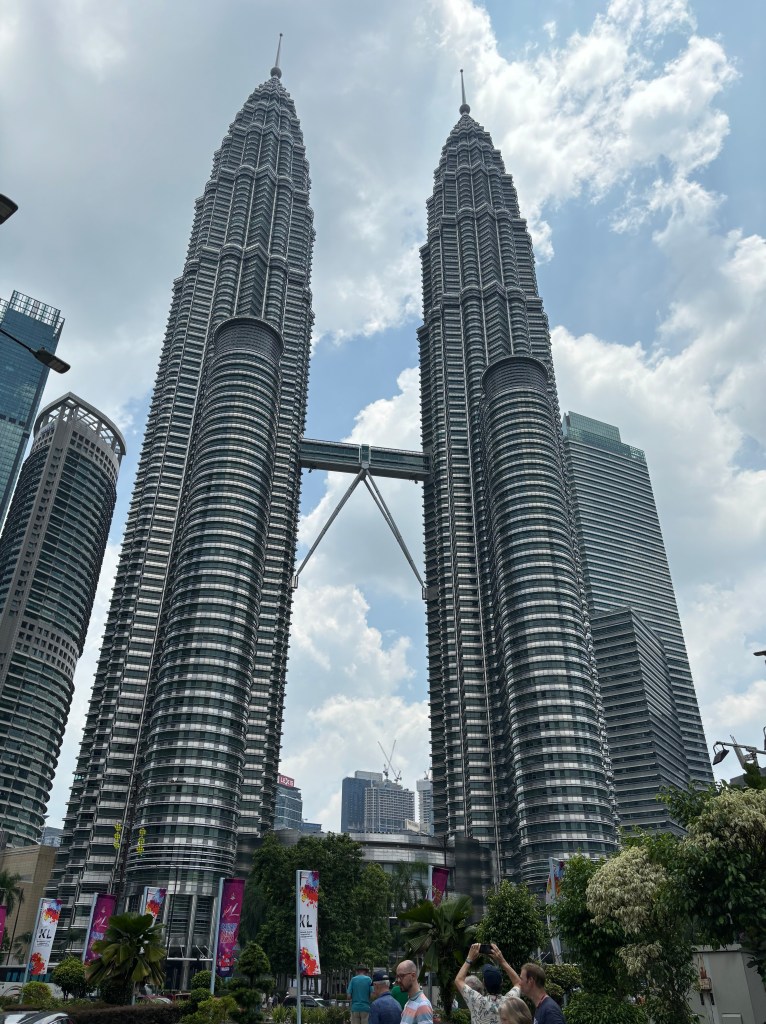
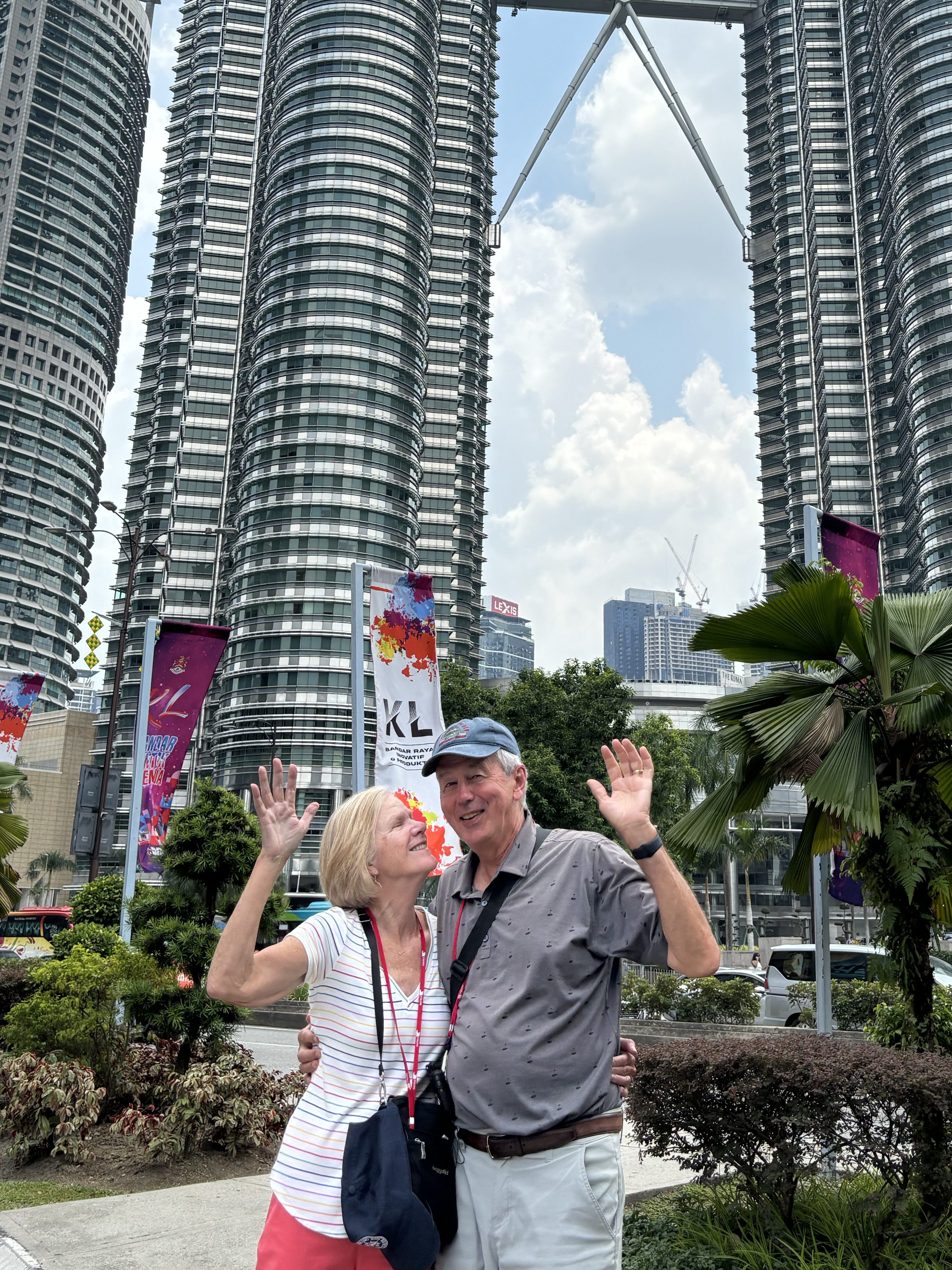
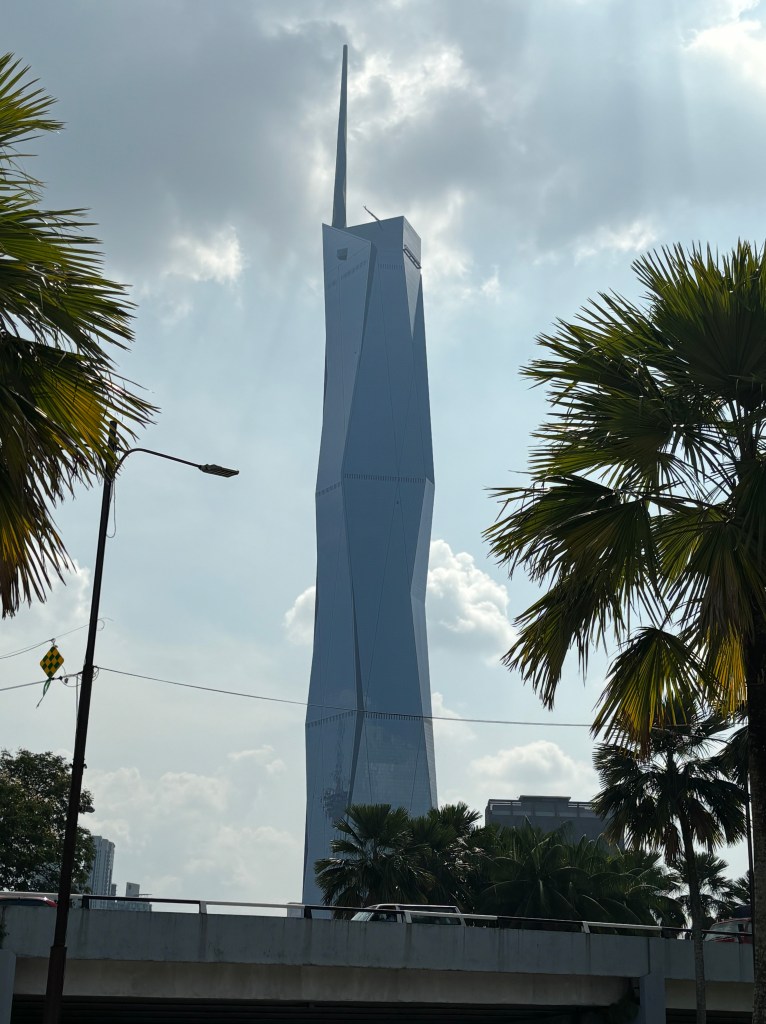
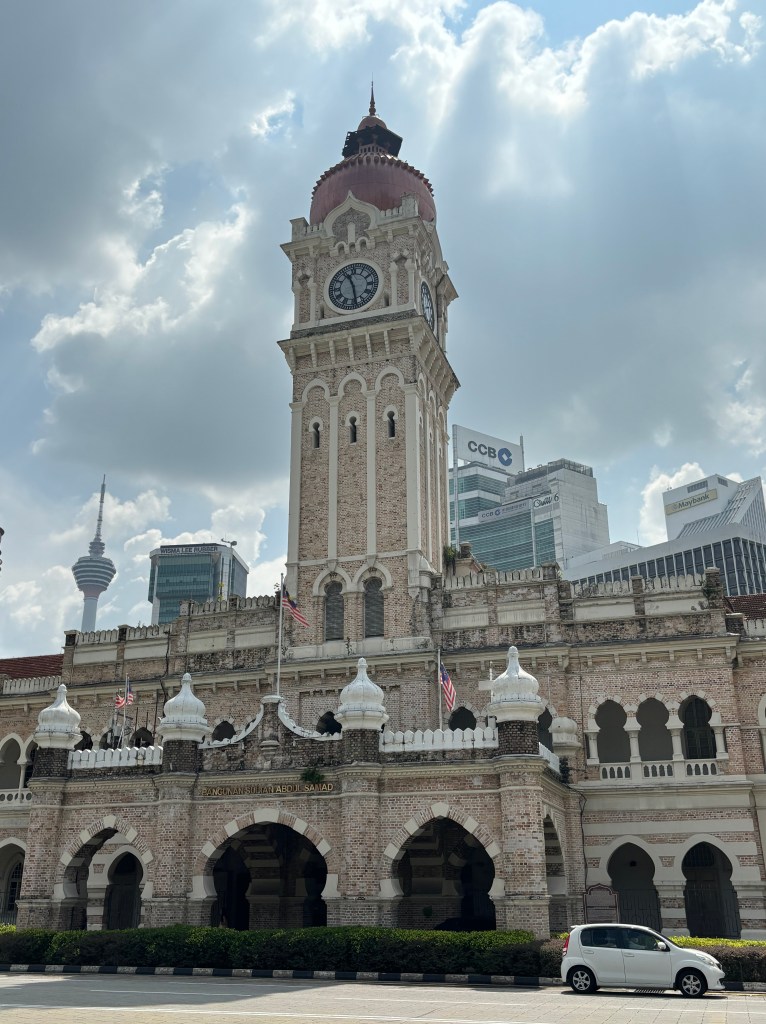
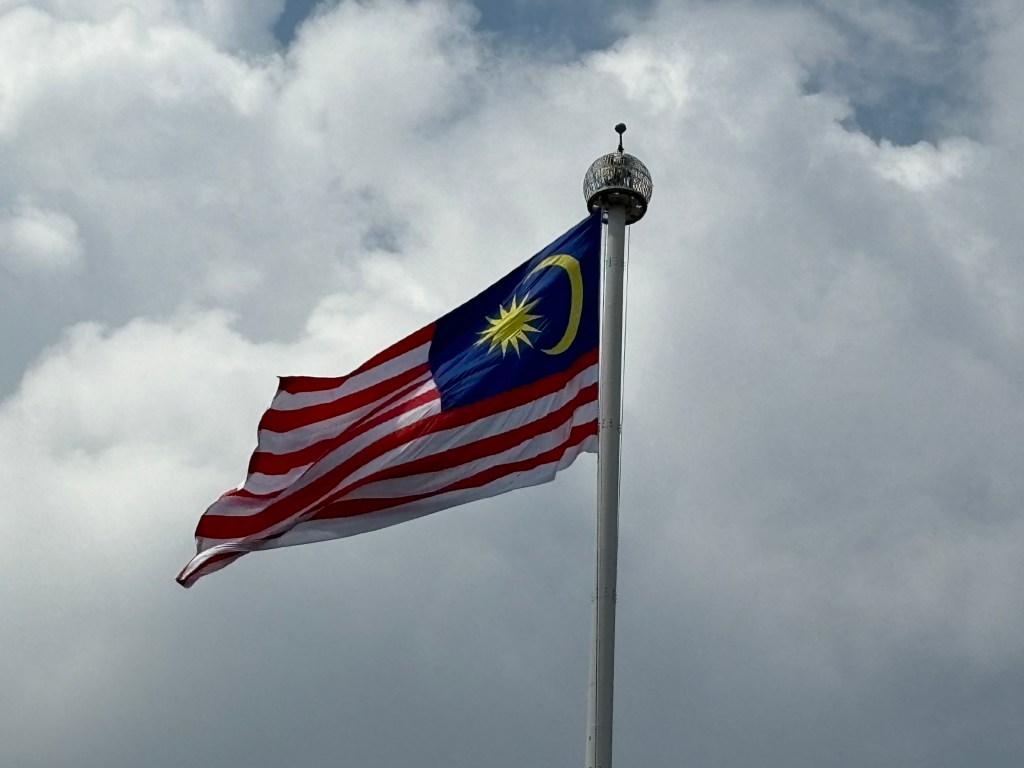
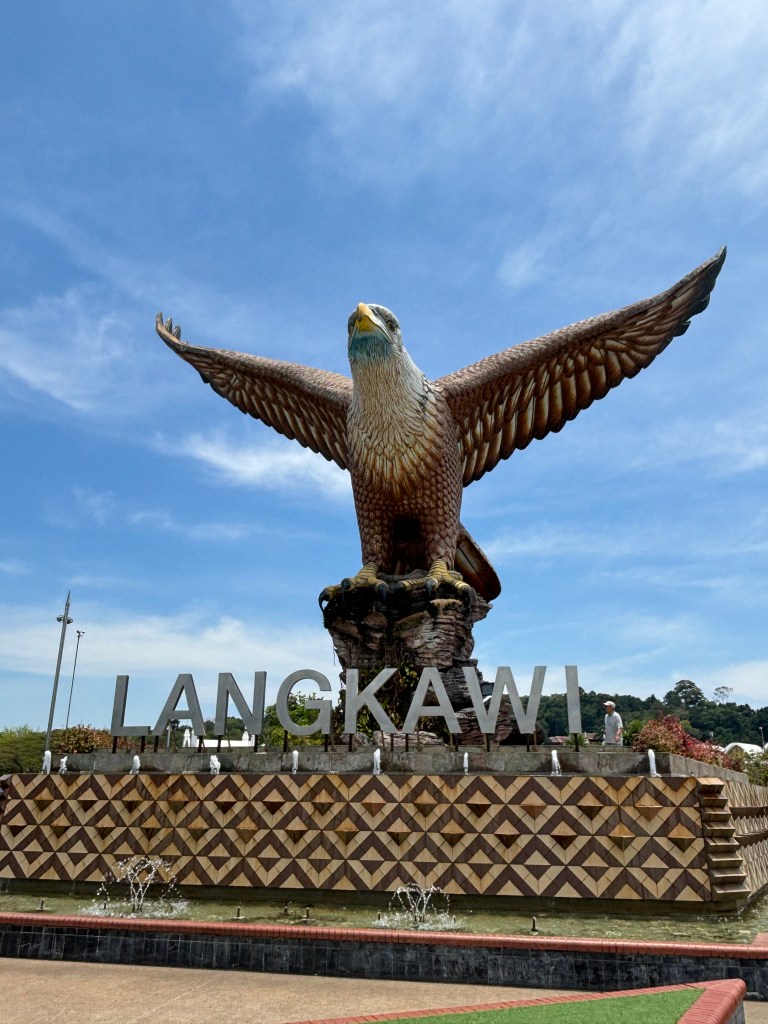
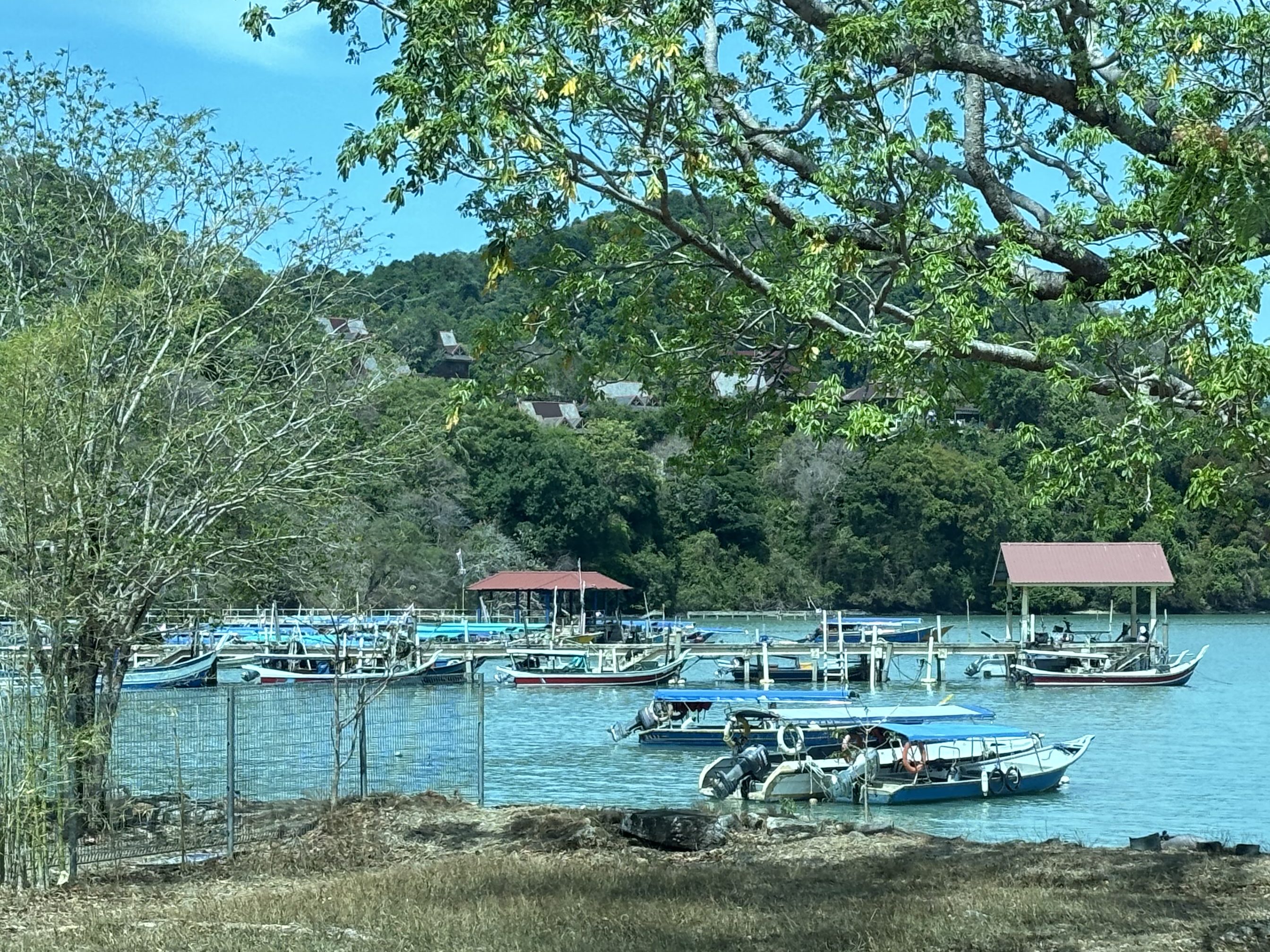
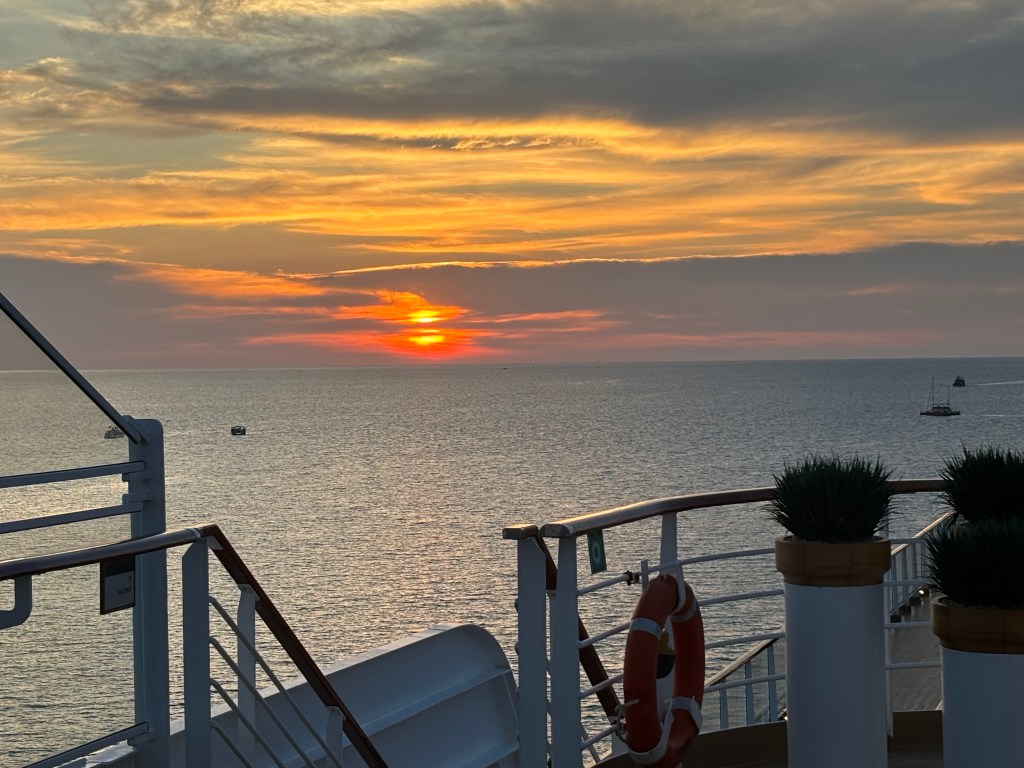
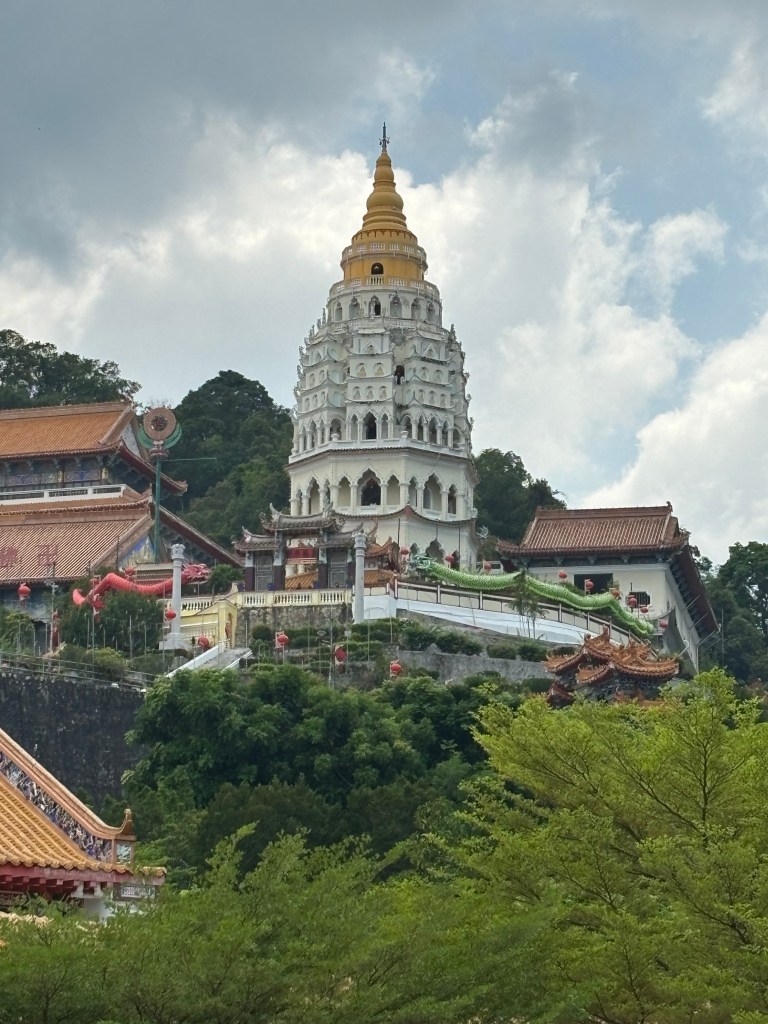
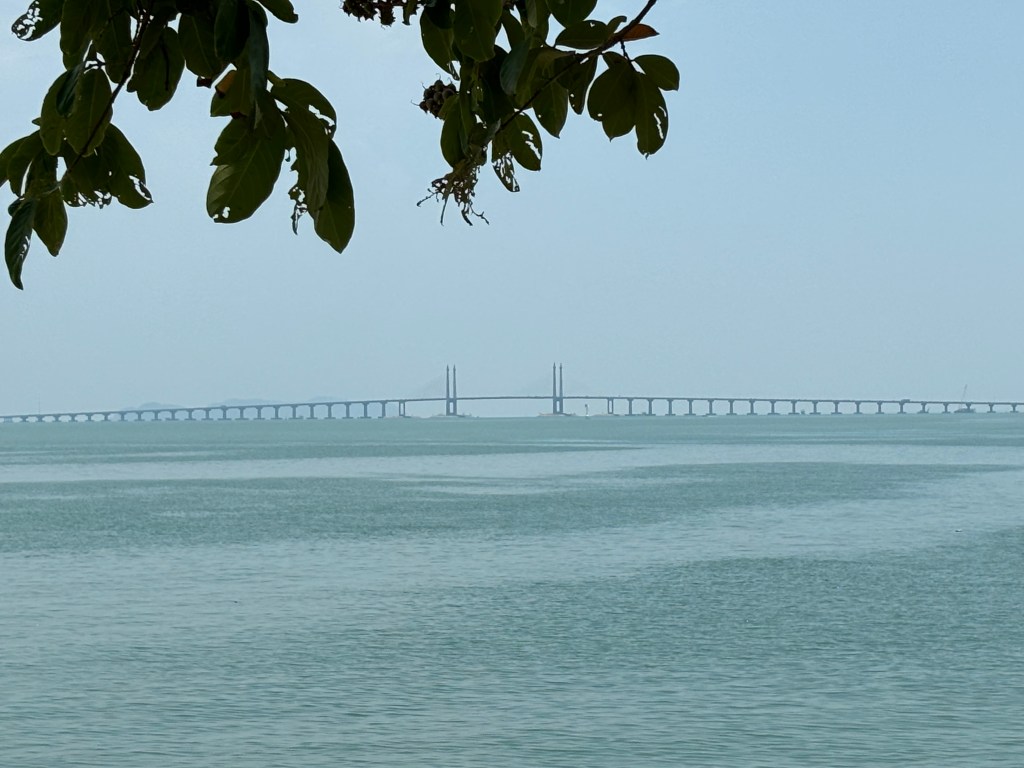
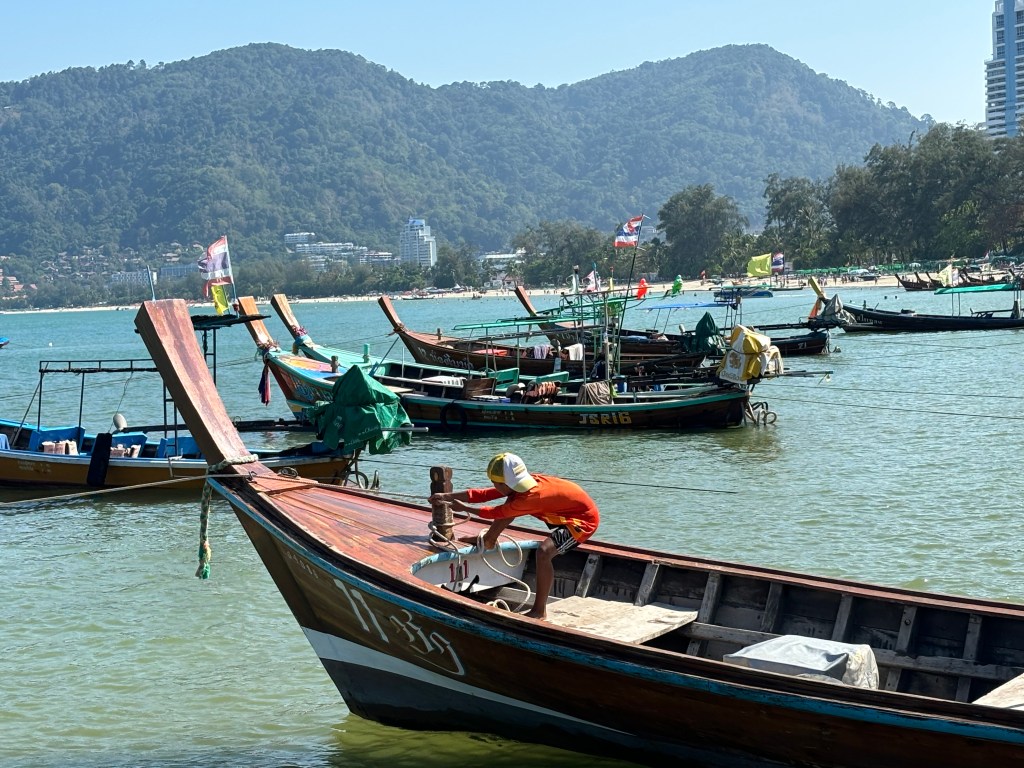
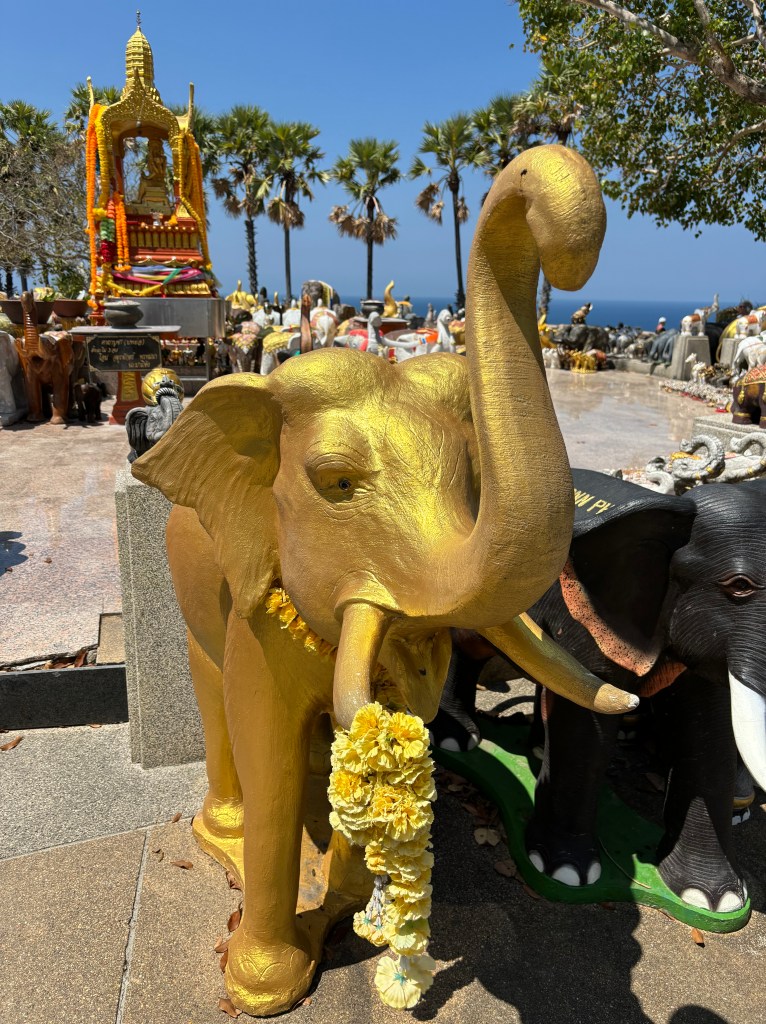
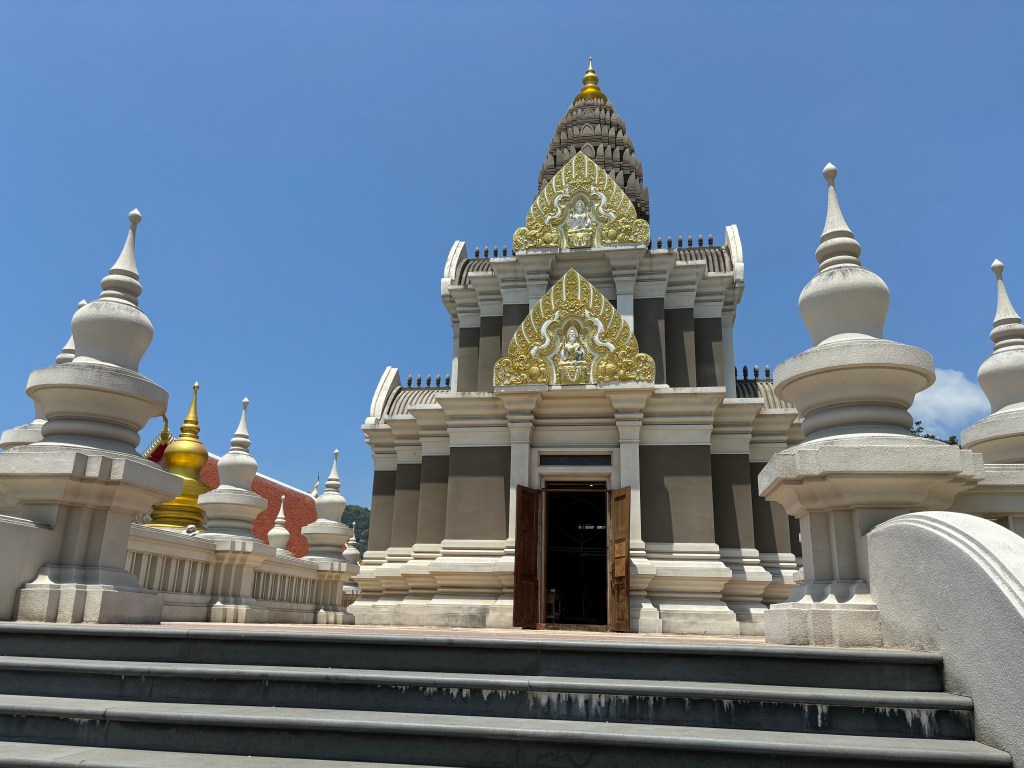
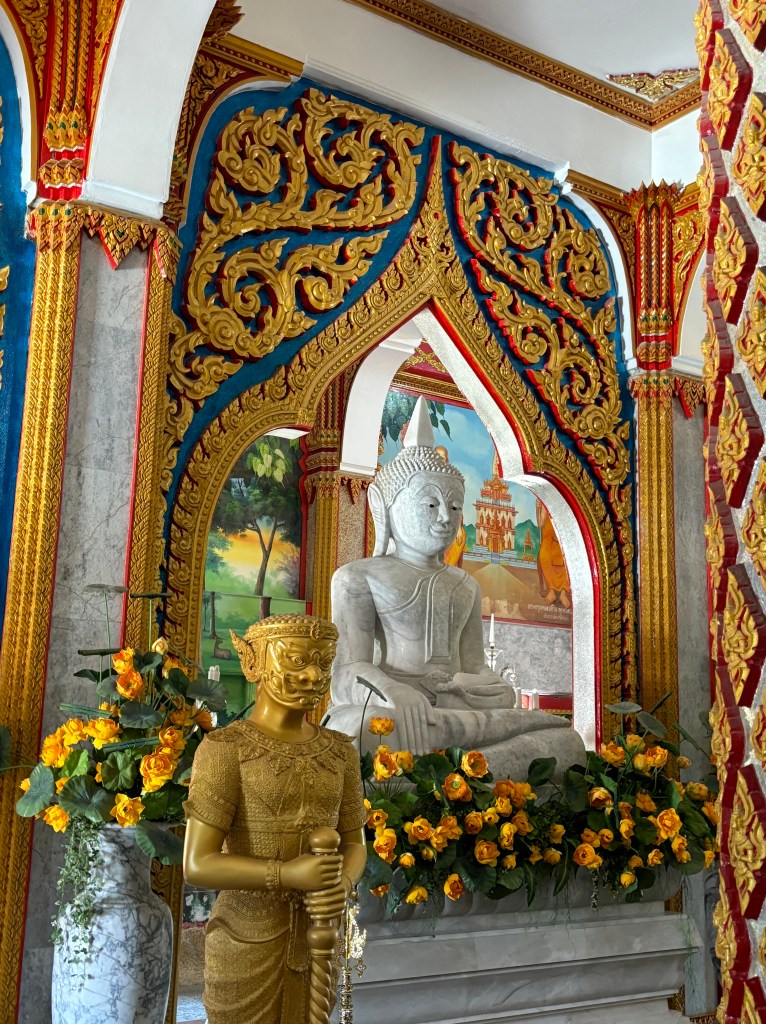
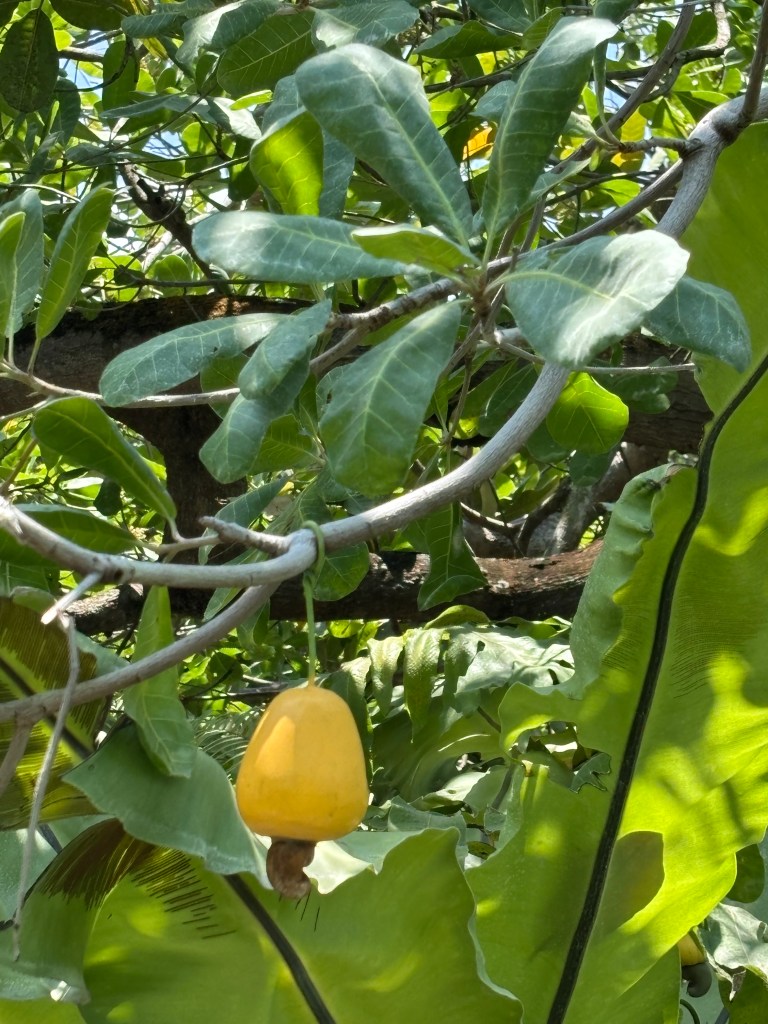
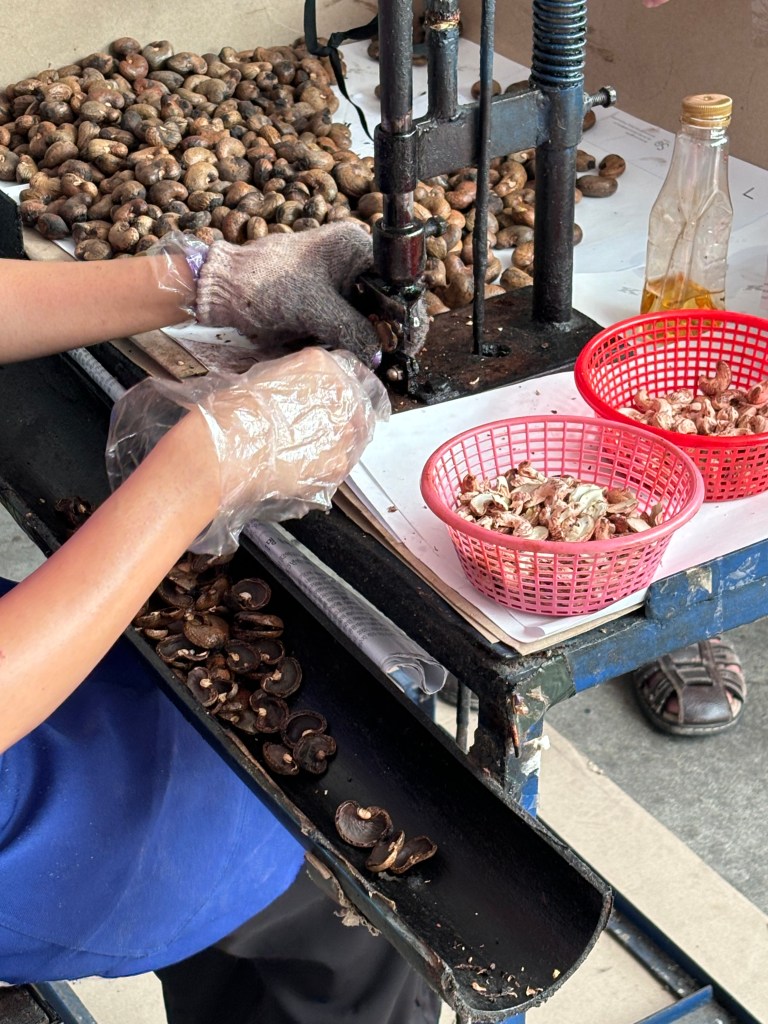
Petronas Towers. From 1998 to 2004 they were the tallest buildings in the world. 88 floors.Here’s our tour guide. She prefers being a tour guide rather than her law career. She’s Muslim, like all Malays, but opts to not wear a hijab and settles for a lesser place in the Muslim hierarchy. Lots of good info on the culture and history.Here’s the current 2nd tallest building in the world – recently completed and still not occupied with nobody currently moving in because its Ramadan so no action.Here’s some of the KL buildings.The National Mosque of Malaysia – capacity for 15,000And the Malaysian flag flying in Independence SquareThe Museum tour was very interesting. The colonial history sequence has the Portuguese in control from about 1510 until the Dutch got control in 1641 for the next 100 years or so. Then it was the British from about 1755 until the Japanese took over in WW2 and did some ugly things like killing a bunch of Chinese schoolkids. Then back to the British until Malaysian independence in 1957. They had a communist insurgency problem from 1968 until 1989 but apparently have that under control now. An interesting feature to their government is that they have a ruling monarch on a rotating basis with 5-year terms for each of the 8 sultans in the country.Lots of big buildings in KLNext stop was at Langkawi – an island on the north portion of the Malaysian west coast. Apparently this local eagle is special for them – similar to a bald eagle but not quite the same. We saw some cruising around our ship.Our excursion included a visit to some demo rice paddies with a rice museum and a demonstration of rice and coconut shucking.Needless to say – hard work. After one month, they pick up the rice by the roots and plant it in a drier paddy for the final few months of growing.They get the husk off the coconut in short order – about five swipes on this fixed blade.Nice “marina” near our dock.Here’s a parting shot from Langkai and sunset while en route to George Town.George Town is on the island of Penang and is the 2nd biggest city in Malaysia – population about 220,000. Once a colonial trading hub established by the British. Recent years have made it the “Silicon Valley” of SE Asia. Intel has about 100,000 employees in the neighborhood in about 10 factories making chips in the area. Many other high-tech companies there as well. The old part of town has been preserved and warrants UNESCO credits.The shops sell the durian fruit which is very “stinky” and disallowed in some establishments.A big Buddhist Temple complex up on the hills behind town. I think he said the biggest in SE Asia – surprisingly big for an Islamist country.And here’s an everyday corner Chinese Temple.Another UNESCO heritage site is this collection of Clan Jetty’s that are wooden stilt houses built by Chinese immigrants over the water for housing and shops. 19th century action.Penang Island is connected to the mainland by an 8-mile bridge.Next stop is Phuket, Thailand which is just north of Malaysia. From a Muslim country to a Buddhist country.We were anchored off of Patong Beach (pic below) which bustles with action and night life. The next beach to the south, Karon Beach, seems a bit more relaxed for a return visit from folks like us.Our excursion took us to the south end of the island where they have a Buddha shrine, protected by elephants, at the top of the view hill. Next stop was a big Buddhist Temple complex. Several buildings, lots of places to worship or whatever. Impressive.Final stop was at a cashew nut “factory”. Here’s what the nut looks like on the tree. The nut is tucked inside this fruitlike structure.Then some serious manual labor to get the nut out of the shell. The two baskets separate the whole nuts (like we buy) from the busted up ones that have a different market.
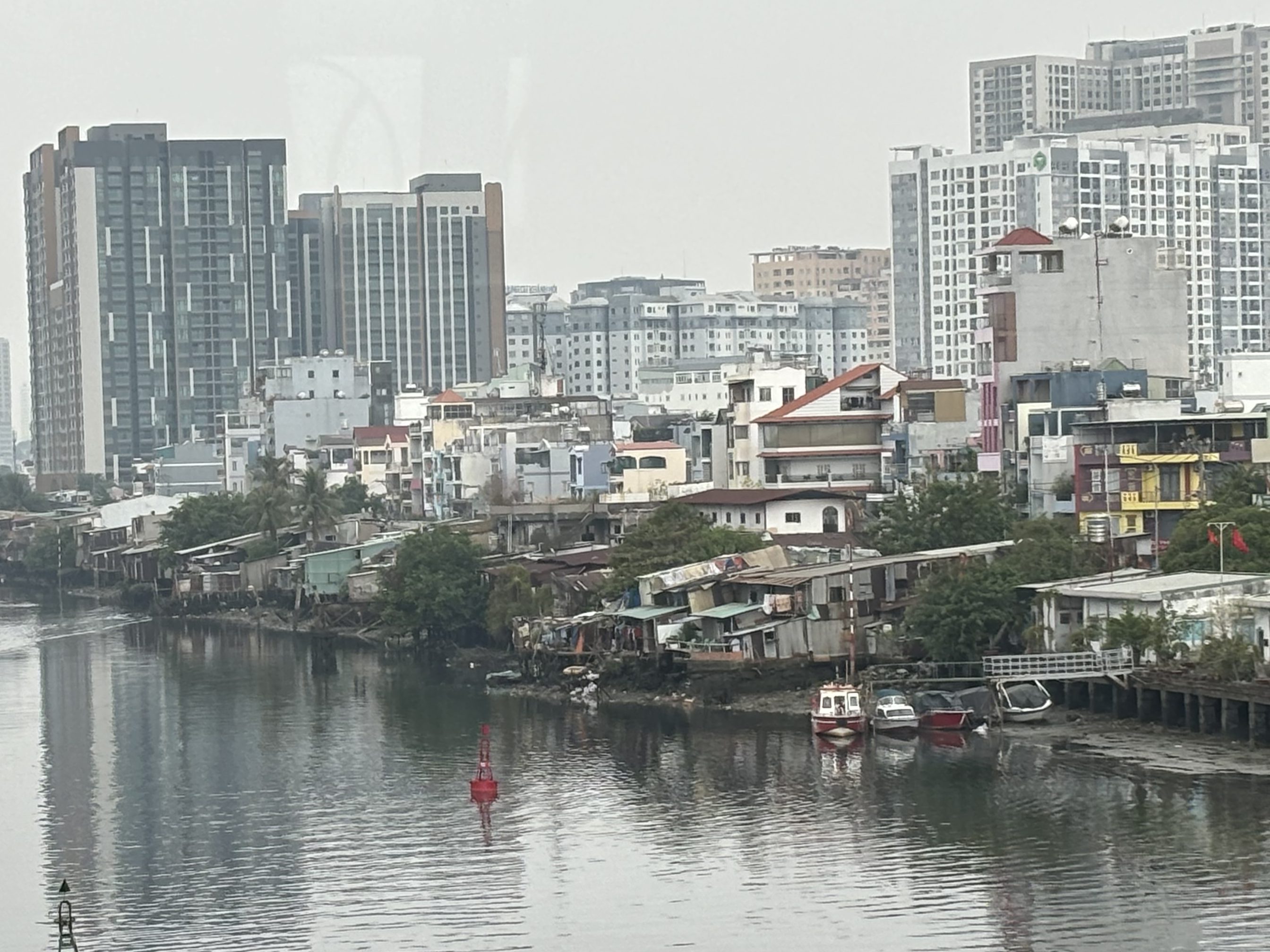
We had three days of touring in Ho Chi Minh City, aka Saigon. Our ship was docked south of town a bit so we had an hour or more on the bus to get into the city. Here’s our first impression of Saigon.
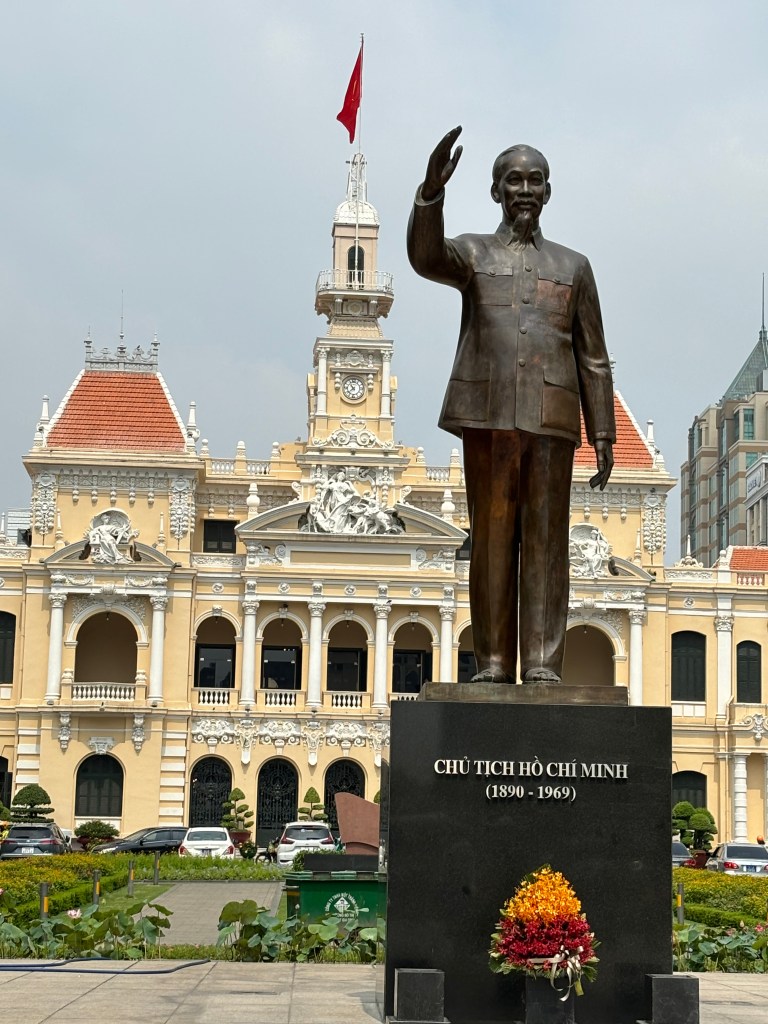
Vietnam population is about 100 million. Motorbike count is about 70 million due to cars being too expensive and no significant public transportation. And here’s a parking lot.Here’s a river we crossed on way into town with some minimal dwellings on the shore that the government is trying to squeeze out to make room for big new buildings such as the ones in the background.Here’s a statue of Ho himself in front of one of their special buildings.
We got lots of interesting info about life in Vietnam and the nature of the communist control from our tour guides on the bus tours. One fellow told of his Dad who was an ARVN officer and then spent 5 years in a reeducation camp. Dad is still alive and about 85 years old and rides his motorbike around town. Our guide and his family have been discriminated against over many years due to the family history that supported the south.
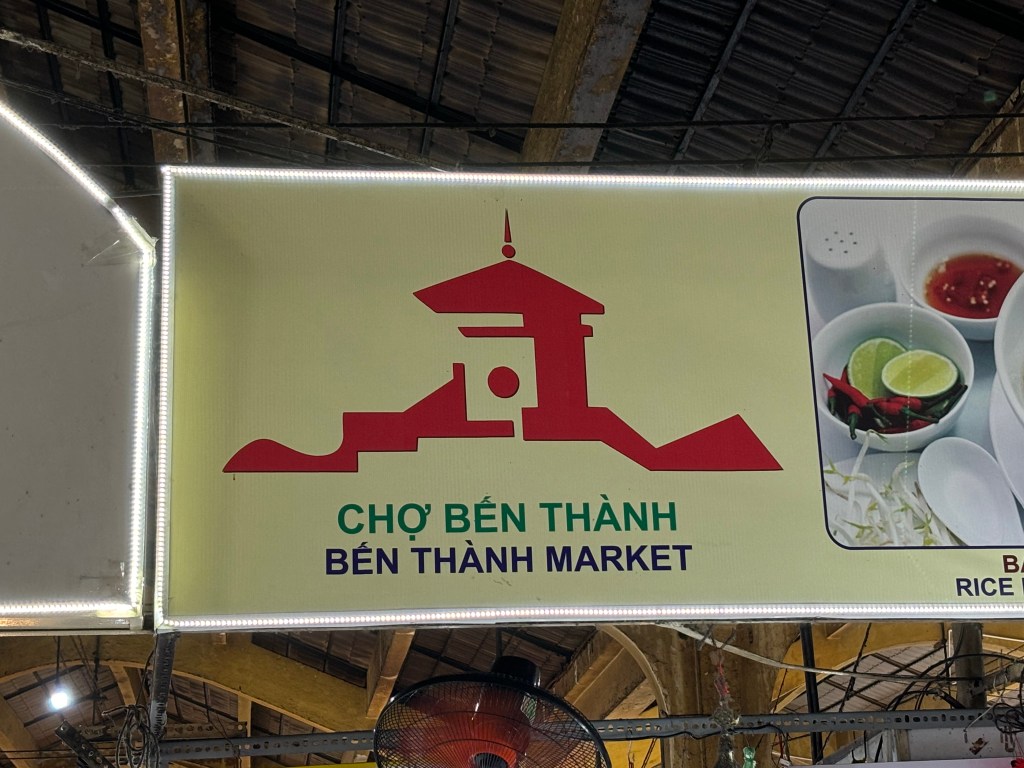
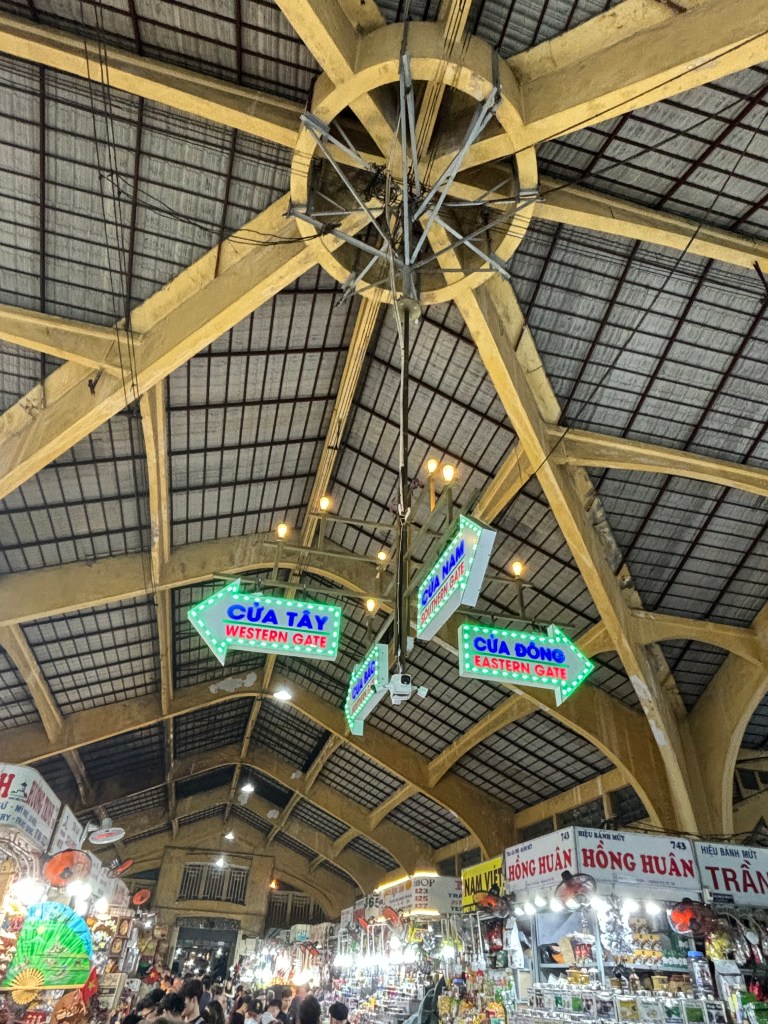
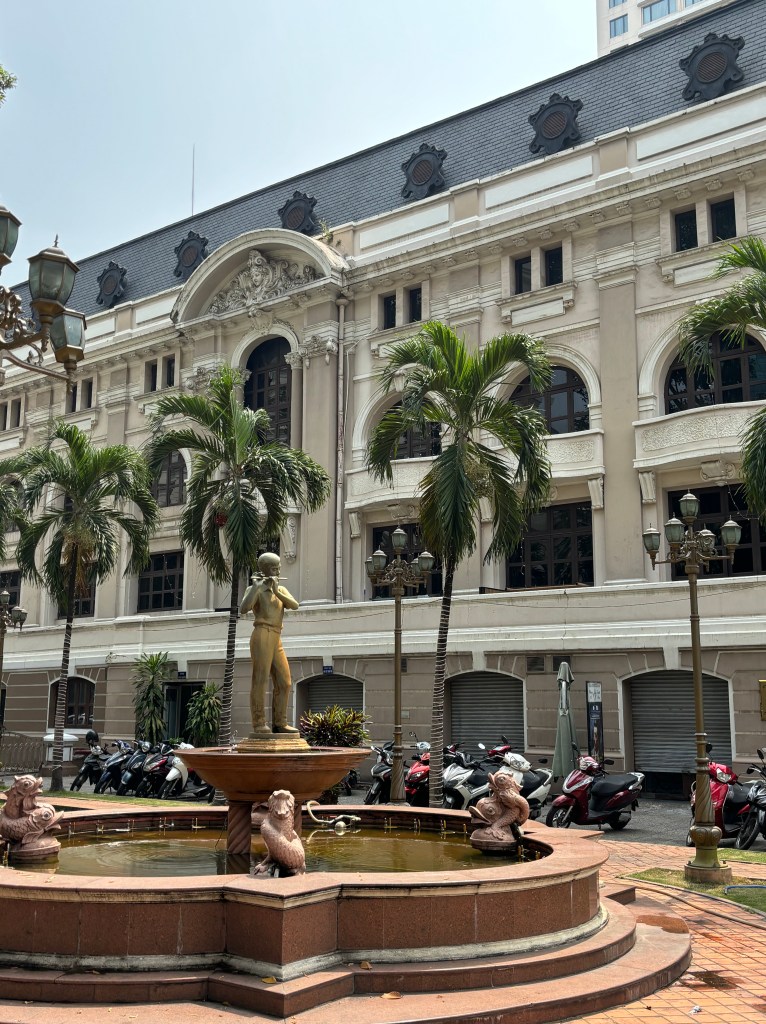
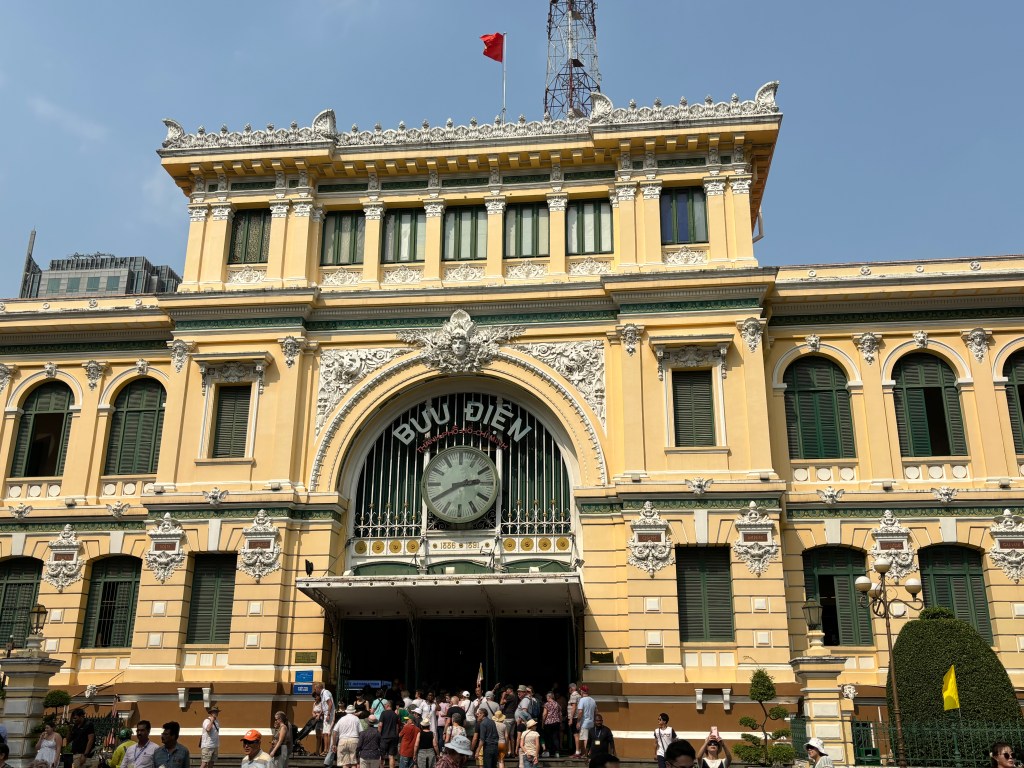
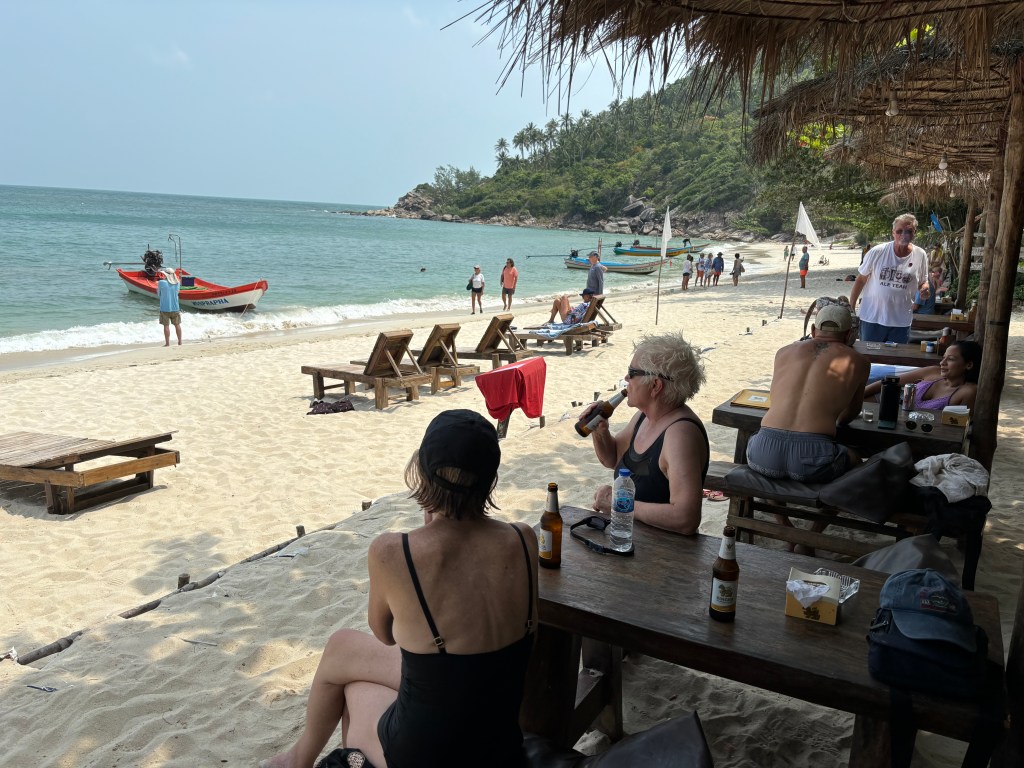
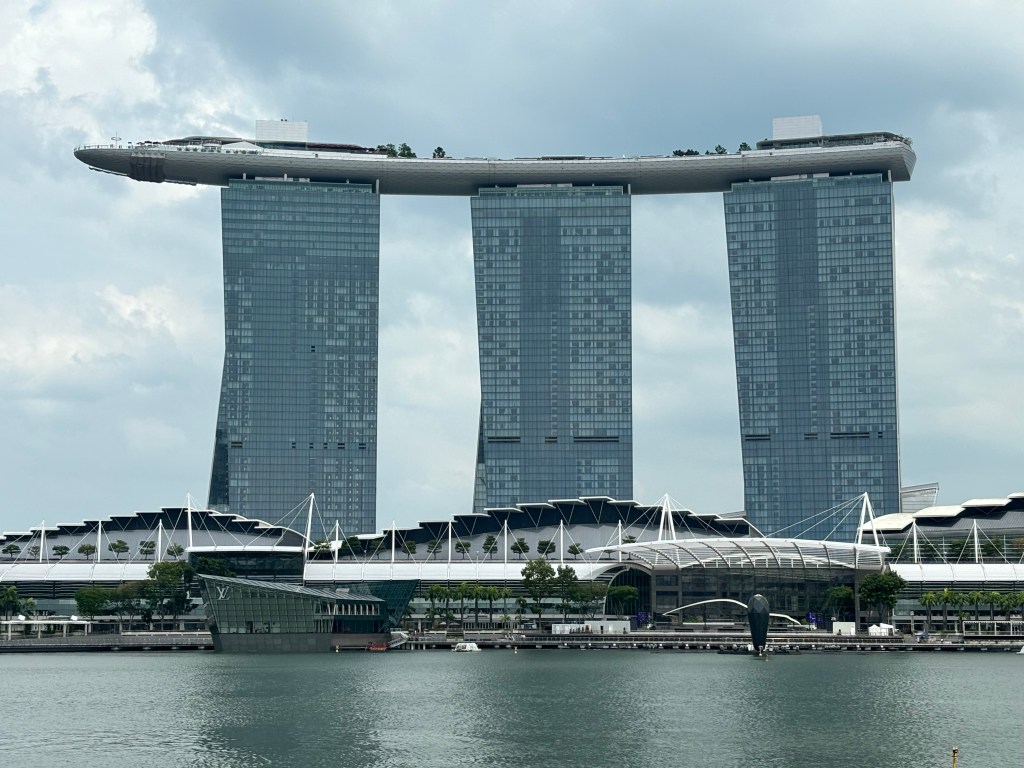
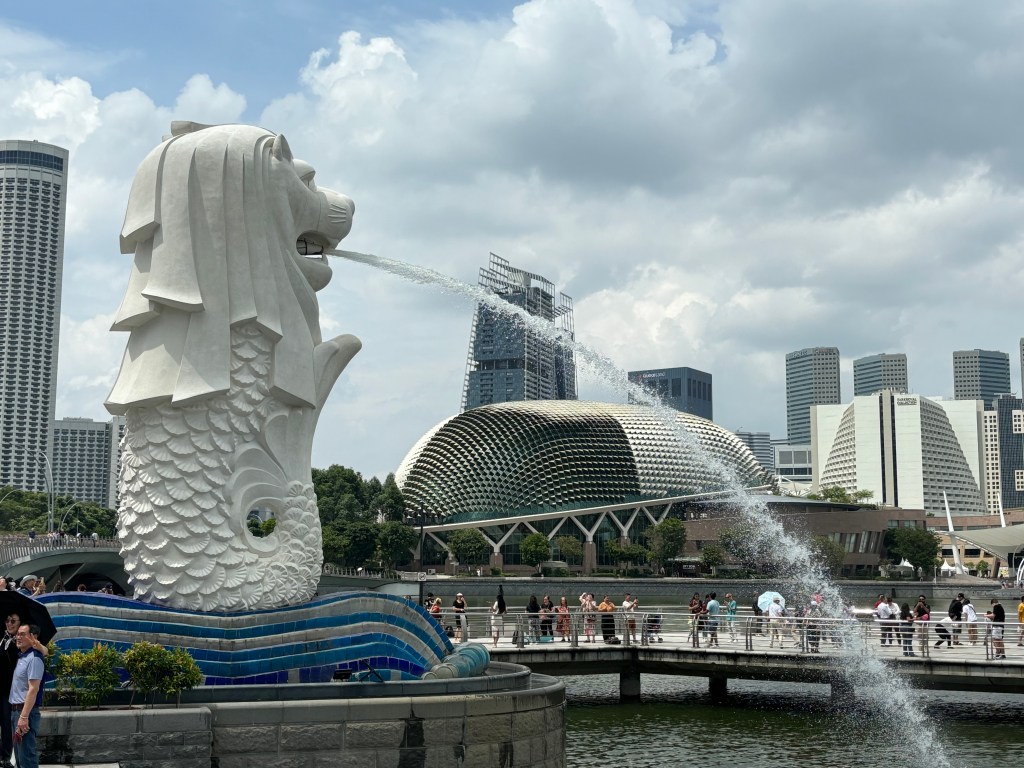
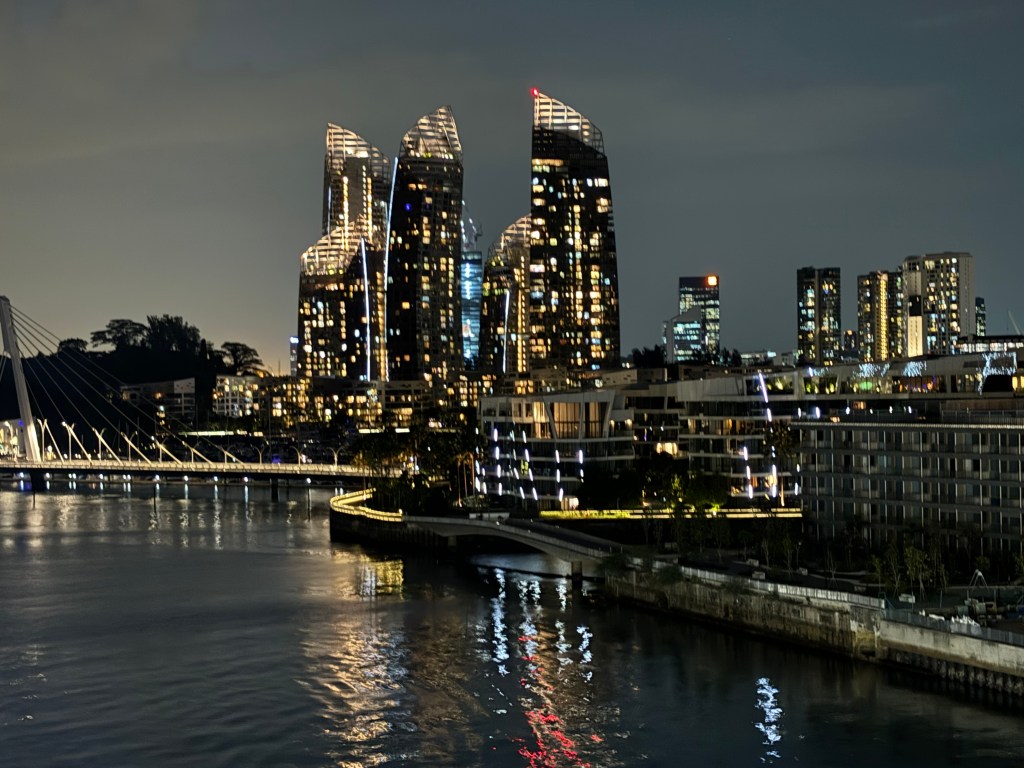
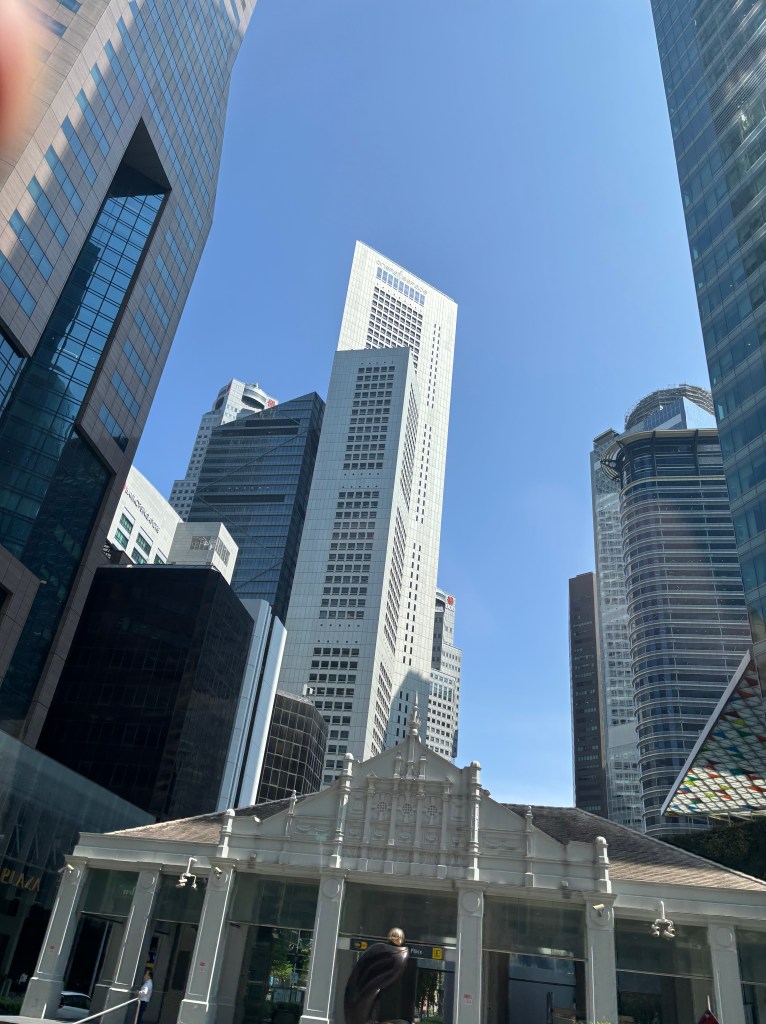
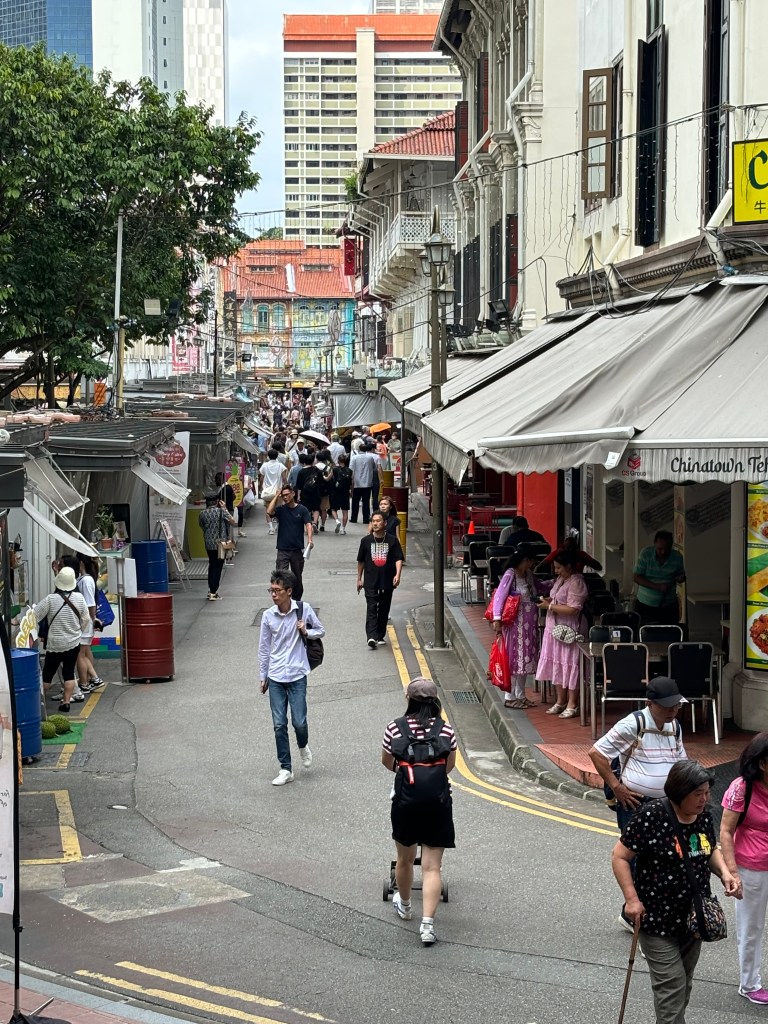
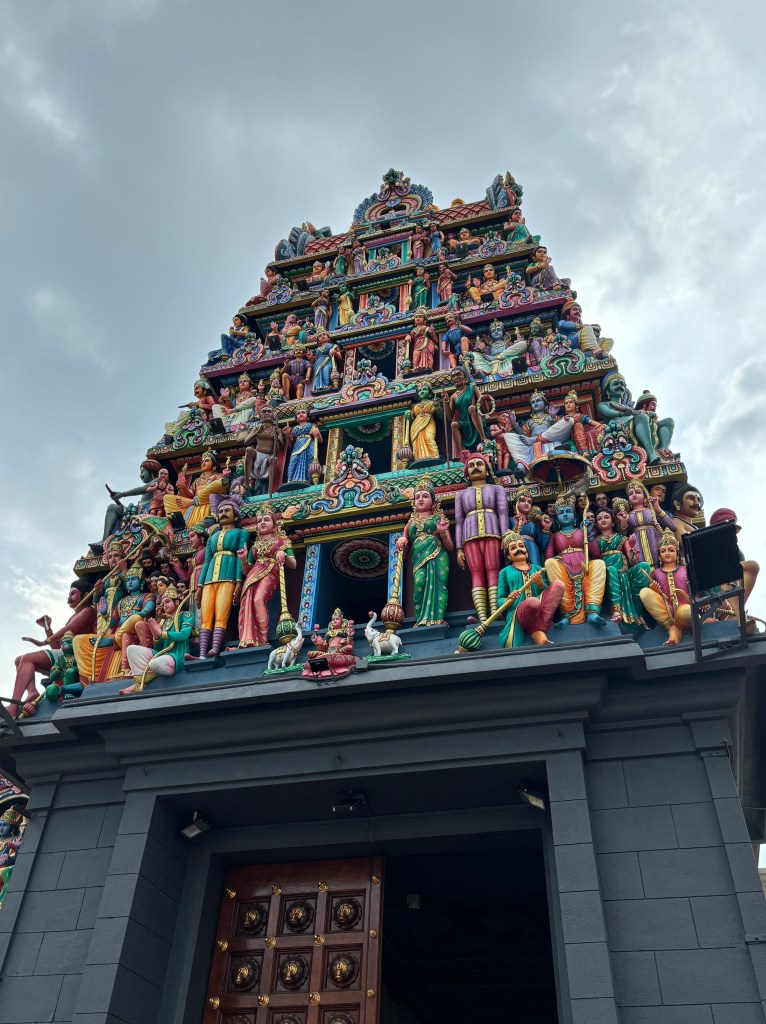
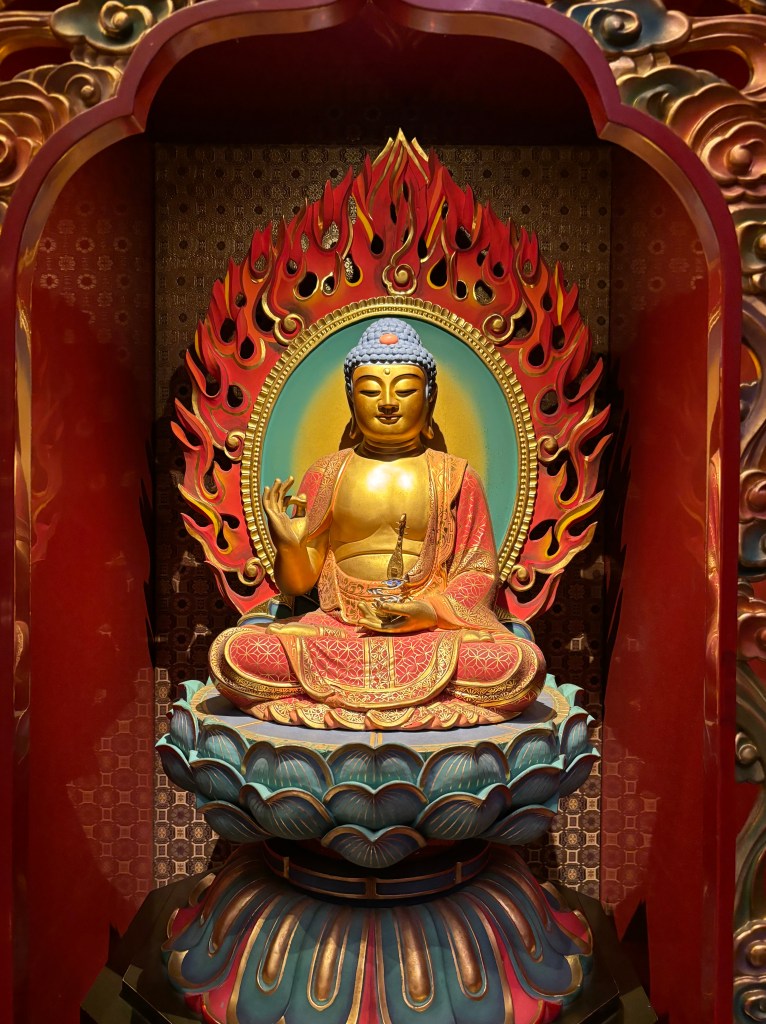
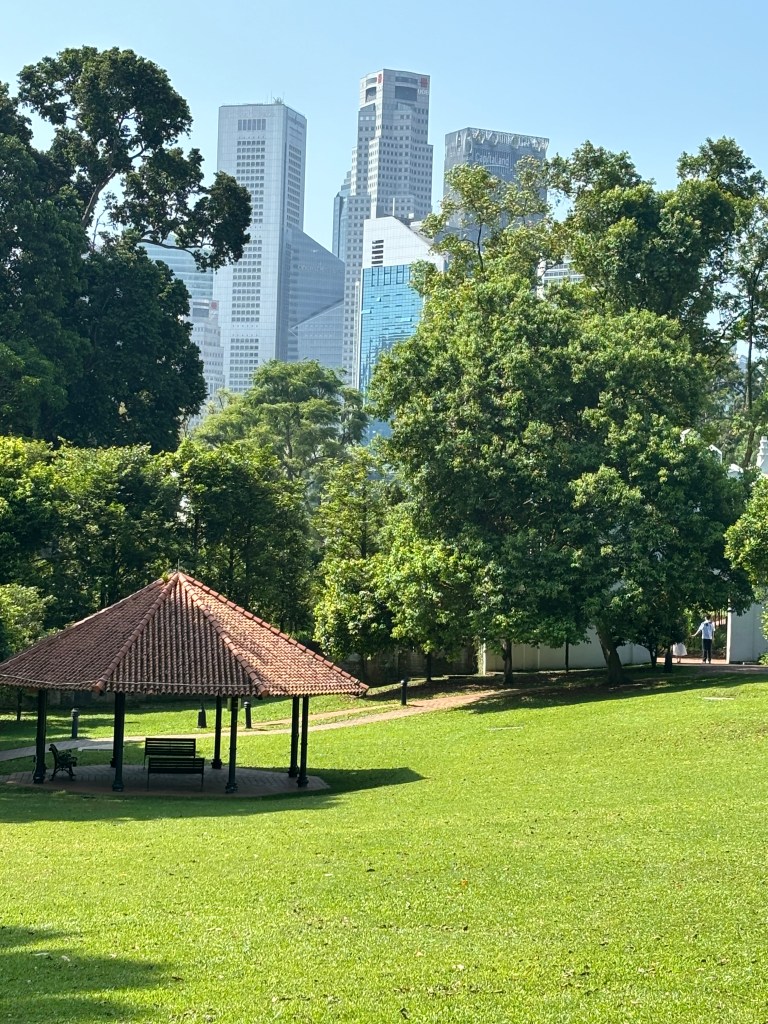
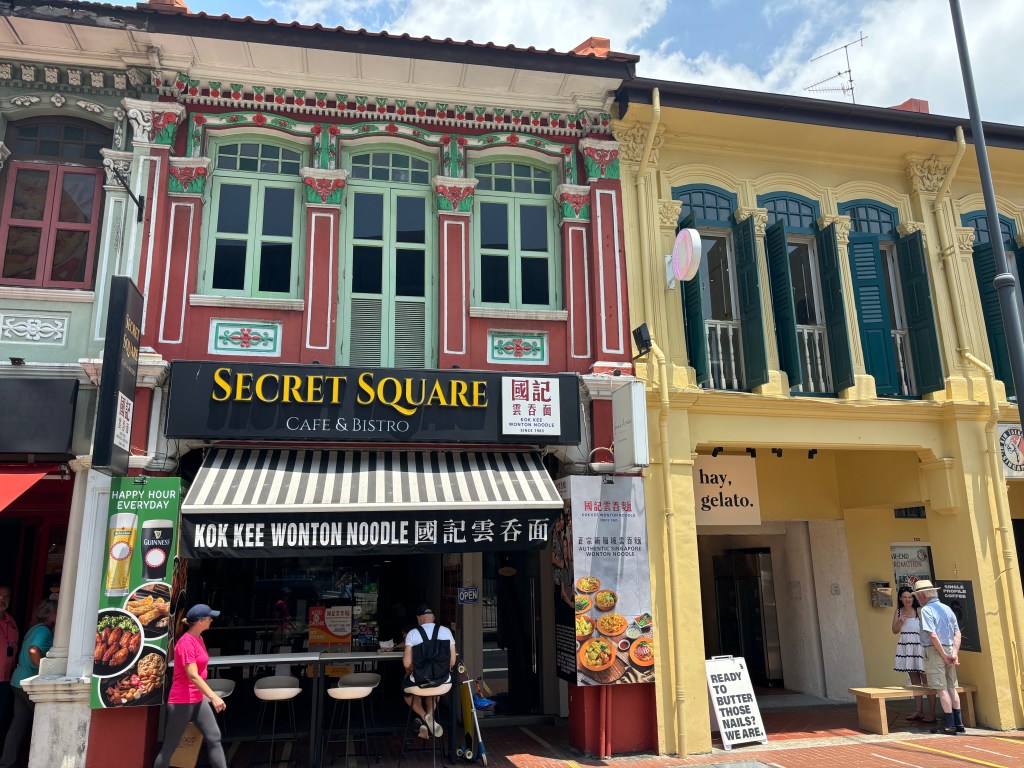
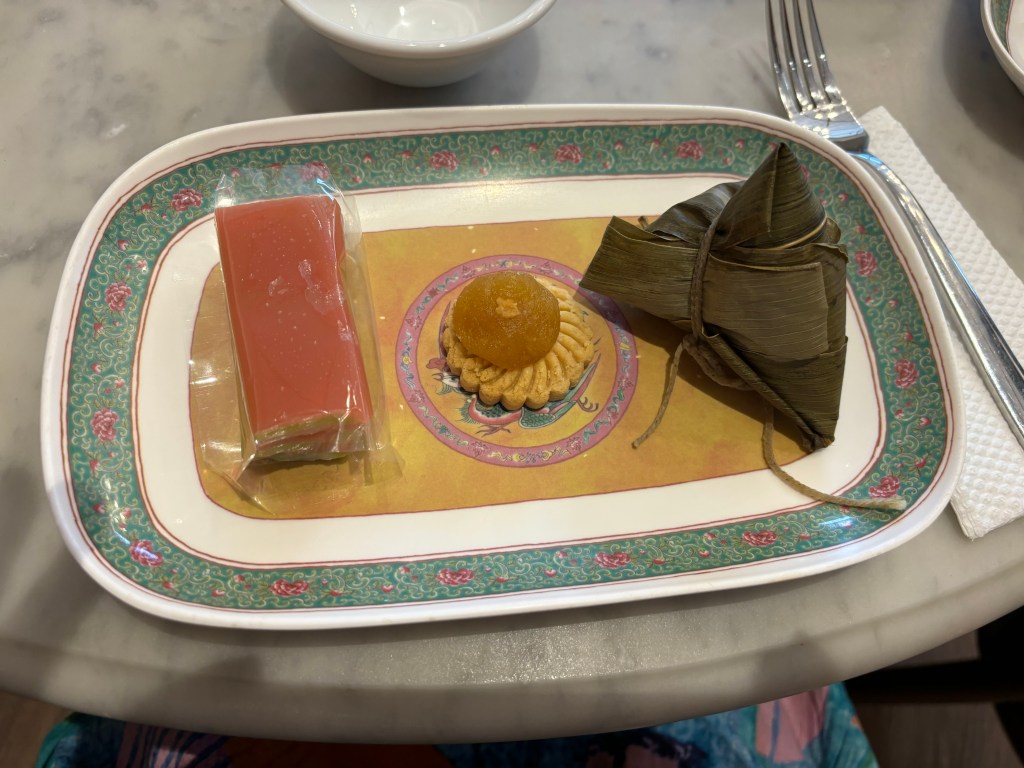
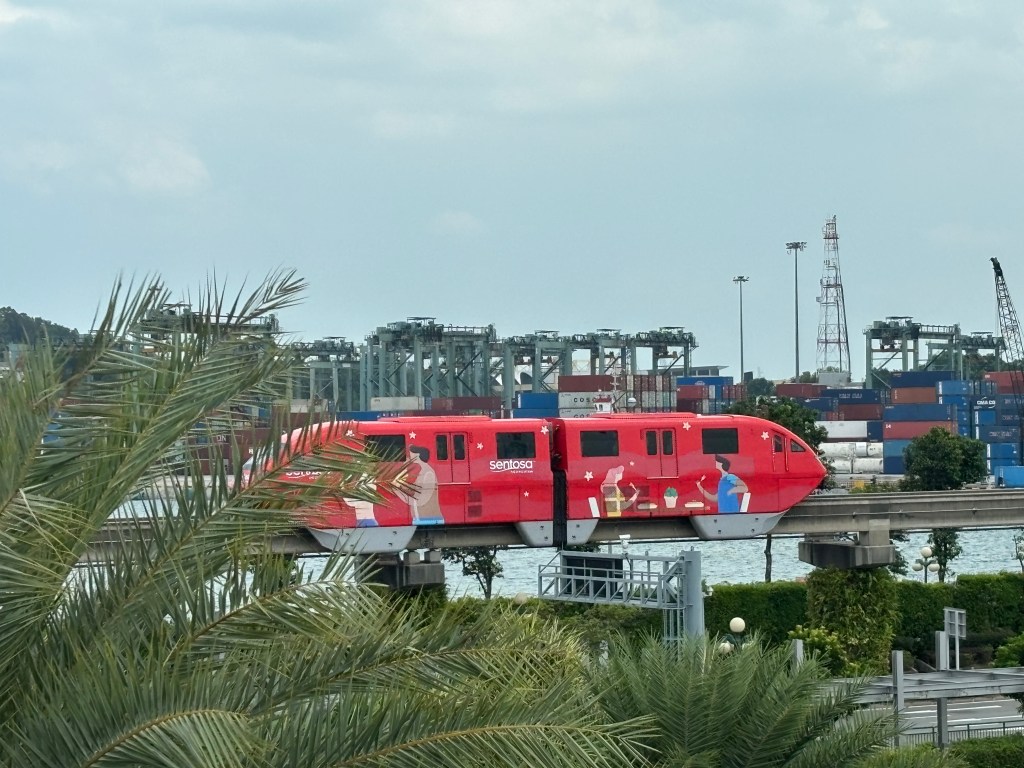
We went to a couple of really big markets.We had fun choosing some memento items in this gal’s booth.And we had dinner in town a couple of nights at this place.Here’s Marty on our peda cab ride.Which took us by the Opera House.And the old post office. Apparently Eiffel had a hand in designing this place.And of course we saw a few temples with with important Chinese guys or Buddha to show respects to.And now we’re off to Koh Samui, Thailand – and island group in the Gulf of Thailand. Our excursion was a day trip to a snorkel spot and a couple of beaches. We first rode to shore in a rig like this.And arrived at this nice beach where we transferred to our snorkeling boat which was a high speed (three 250 HP outboards) for a one hour somewhat bumpy ride at 50 MPH or so to our snorkeling destination.Here is the snorkeling spot. Lots of fish and coral. Visibility not as good as the previous spots but a nice affair.After which they took us to two nice beaches for hanging out and a lunch break.Here are Marty and one of our bridge-player friends, Ellen.And the lunch spread.Singapore up next for a two-day visit.Singapore is quite a city! GDP per capita is $82k vs $76k for the US and $4k for Vietnam. That’s impressive. Population about 5.5 million. Lots of government control but that seems to be working well. People can leave if they don’t like it. Housing is expensive but the government has a program so all are provided for. There are lots of nice looking buildings everywhere you look.This pic from the roof deck on our ship.But they also preserve the old neighborhoods from the big development. Here’s the Chinatown neighborhood. Our tour guide sprung for drinks for our crew so Marty and I had an iced coffee delivered with a flair.And Chinatown included a couple of old temples. This one is a Hindu temple.And this one is Buddhist – the Buddha Tooth relic Temple.The next day we toured a park with a spice garden and much discussion about all of the spices that generated big revenue back in the day.And then we toured an ethnic neighborhood – the Peranakan culture with a tea and ethnic snack.Here’s the ethnic “snack”. The leaf wrapped dumpling was tasty.Here’s a Peranakan matrimonial bedSo that’s about it for Singapore. We also checked out a very big shopping mall near our ship, and were impressed with the mass transit system with subways, buses, and light rail cars on the surface. There was also a high-level gondola that delivered folks to an island and elsewhere.The Port of Singapore is the largest in the world! So lots of container action in our cruise ship area. But …. come back in 2030 and this area will all be residential buildings and the container action will have been moved to the western edge of Singapore.Here are a few shots from our on board life. The first is of the duplicate bridge group which is in action for two hours on all “sea days” which I engage in and Marty is thinking about venturing into. We usually have about nine tables and play about 12 “boards” (hands) each afternoon. Marjorie, my excellent bridge partner, from Atlanta with two daughters near Atlanta and a son who lives in Seattle!
Indonesia is the fourth most populous country in the world after India, China, and the US. Over 13,000 islands make up the country. More than half of the 279 million population live on Java. We toured Semarang on Java, a city I had never heard of. But taking it in sequence, we started with some time visiting the Komodo Dragons at Rinca Island where about 1,500 of the Komodo’s live – about half of the 3,000 total.
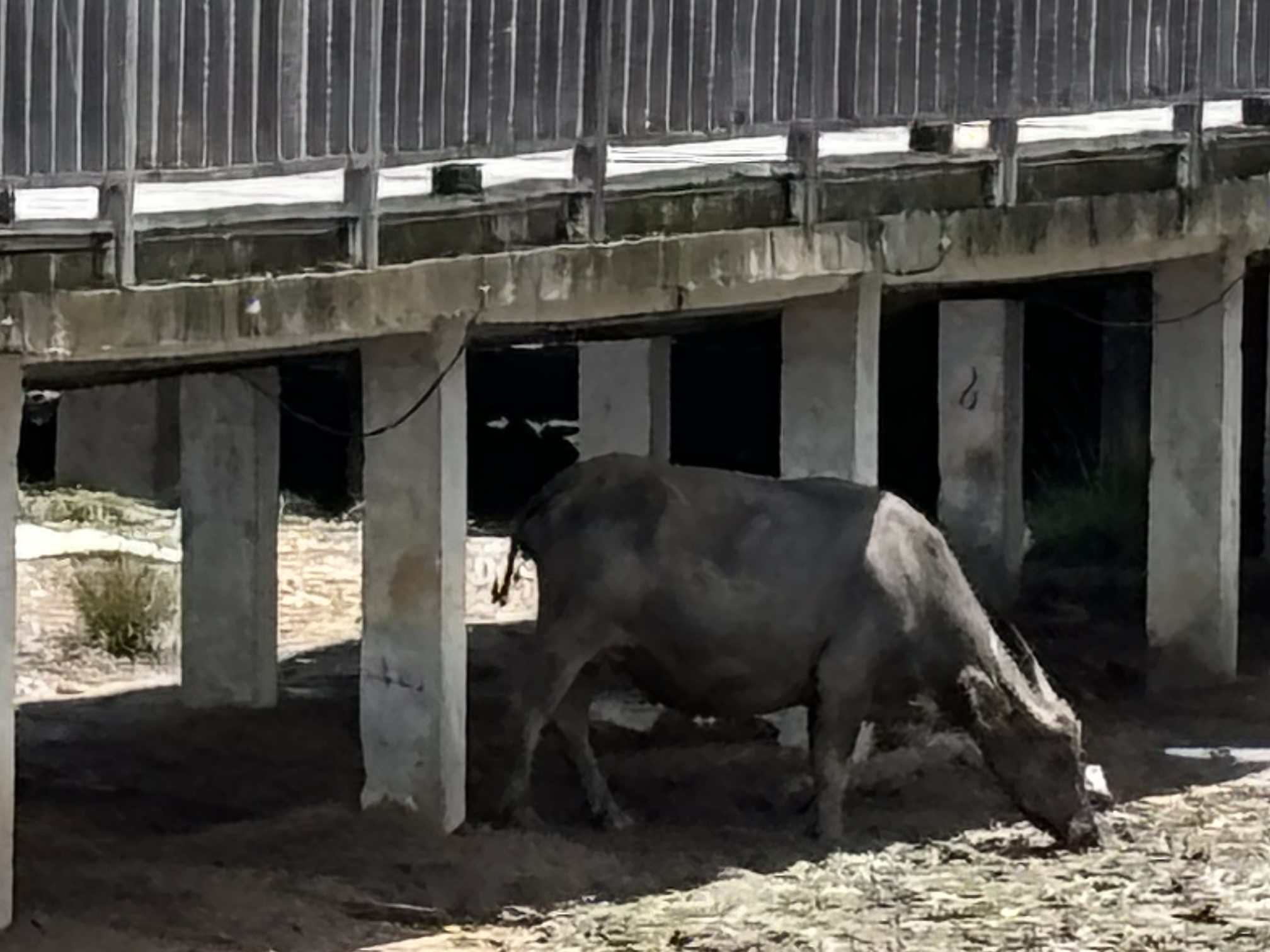
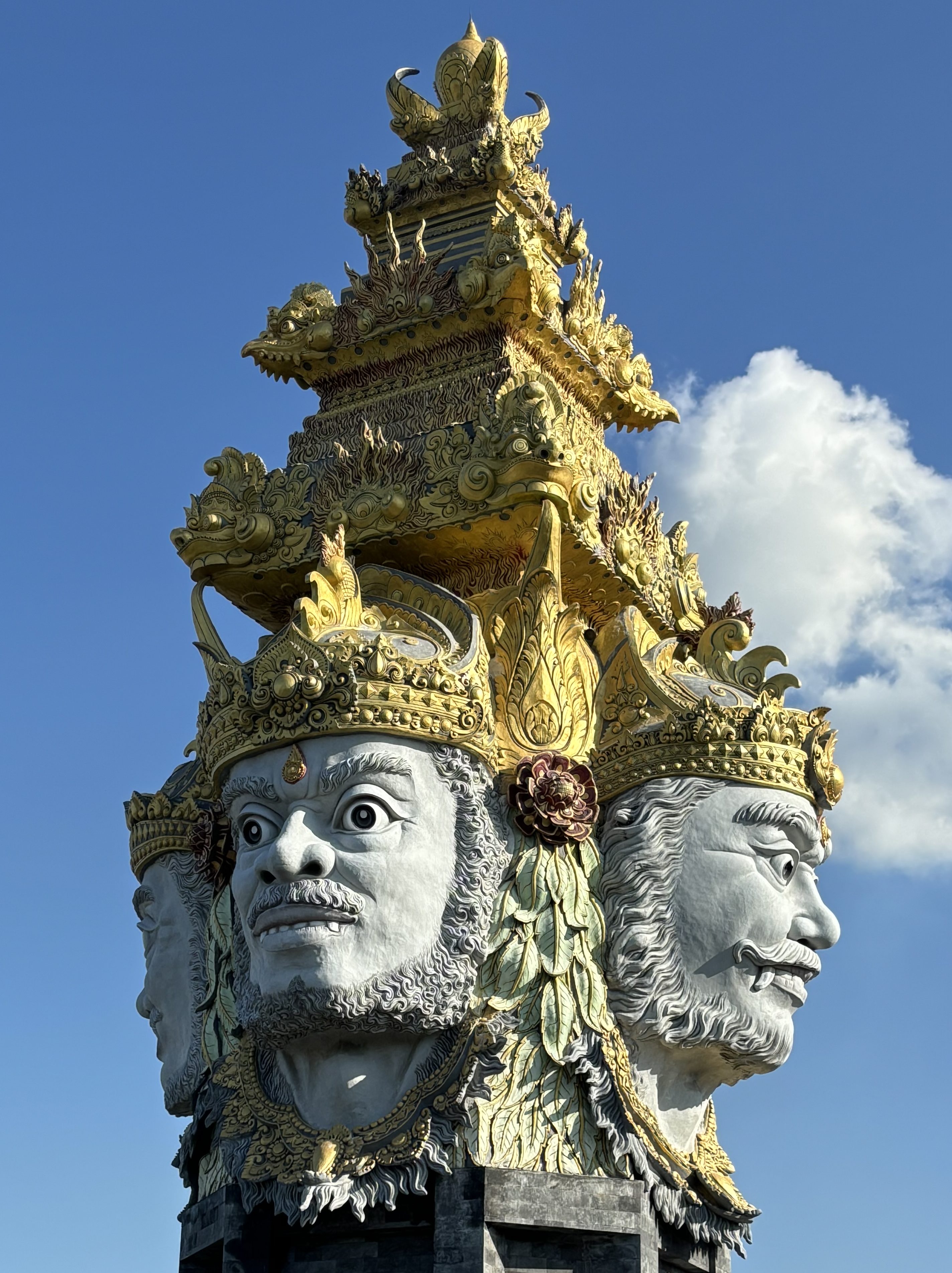
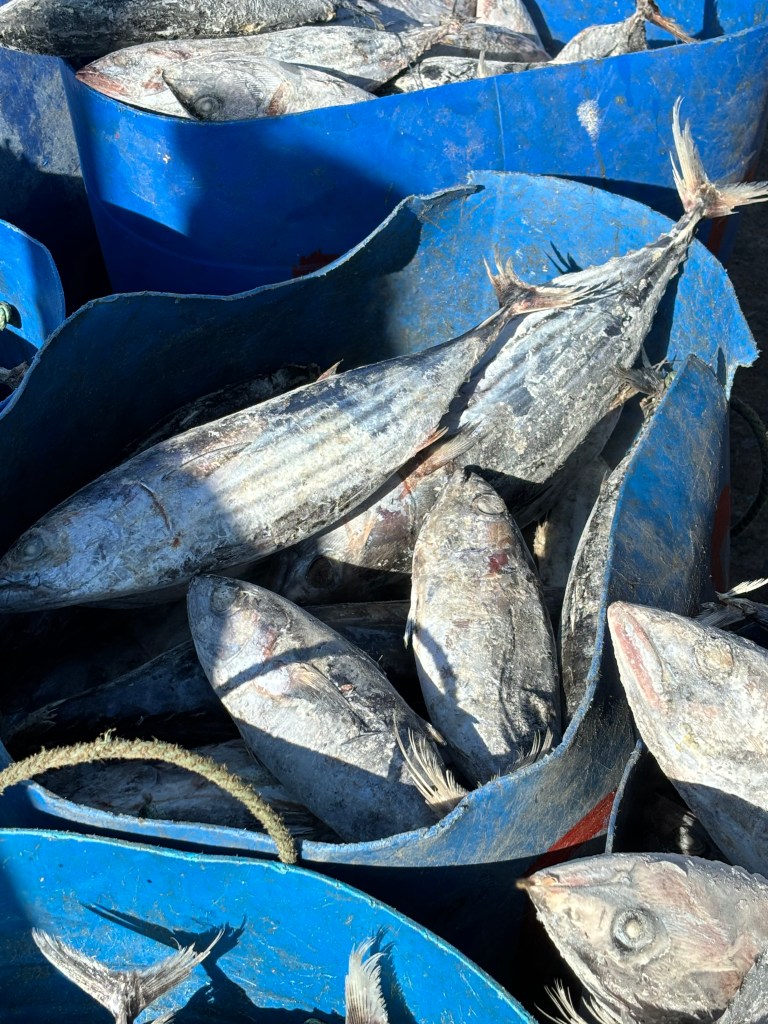
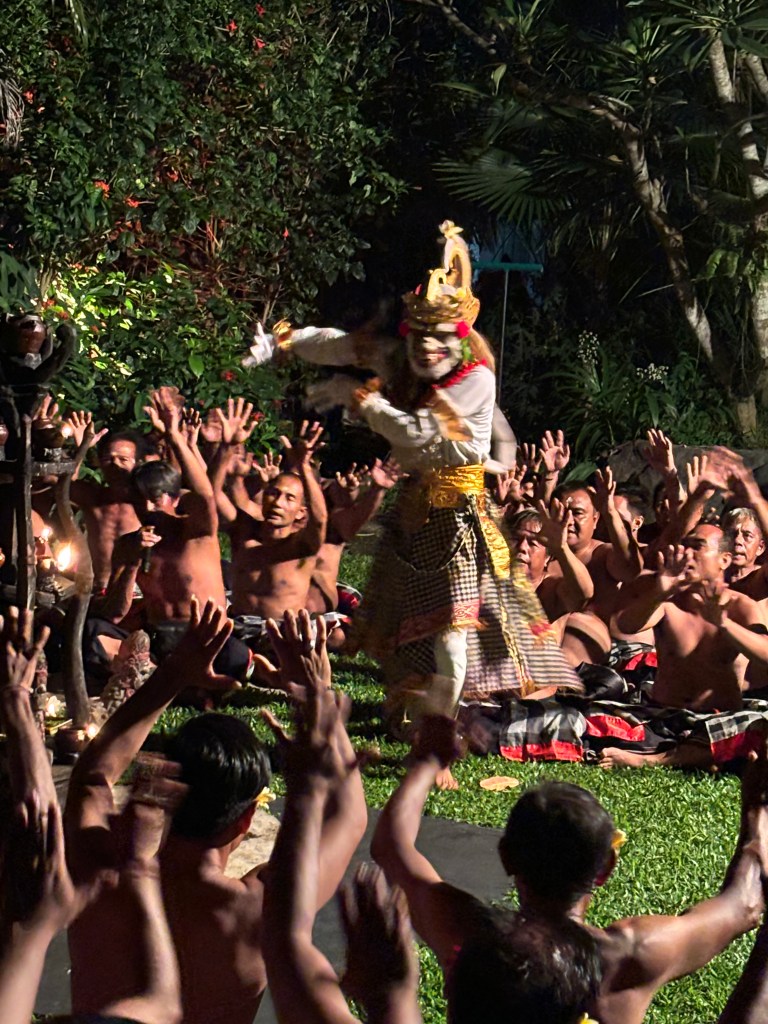
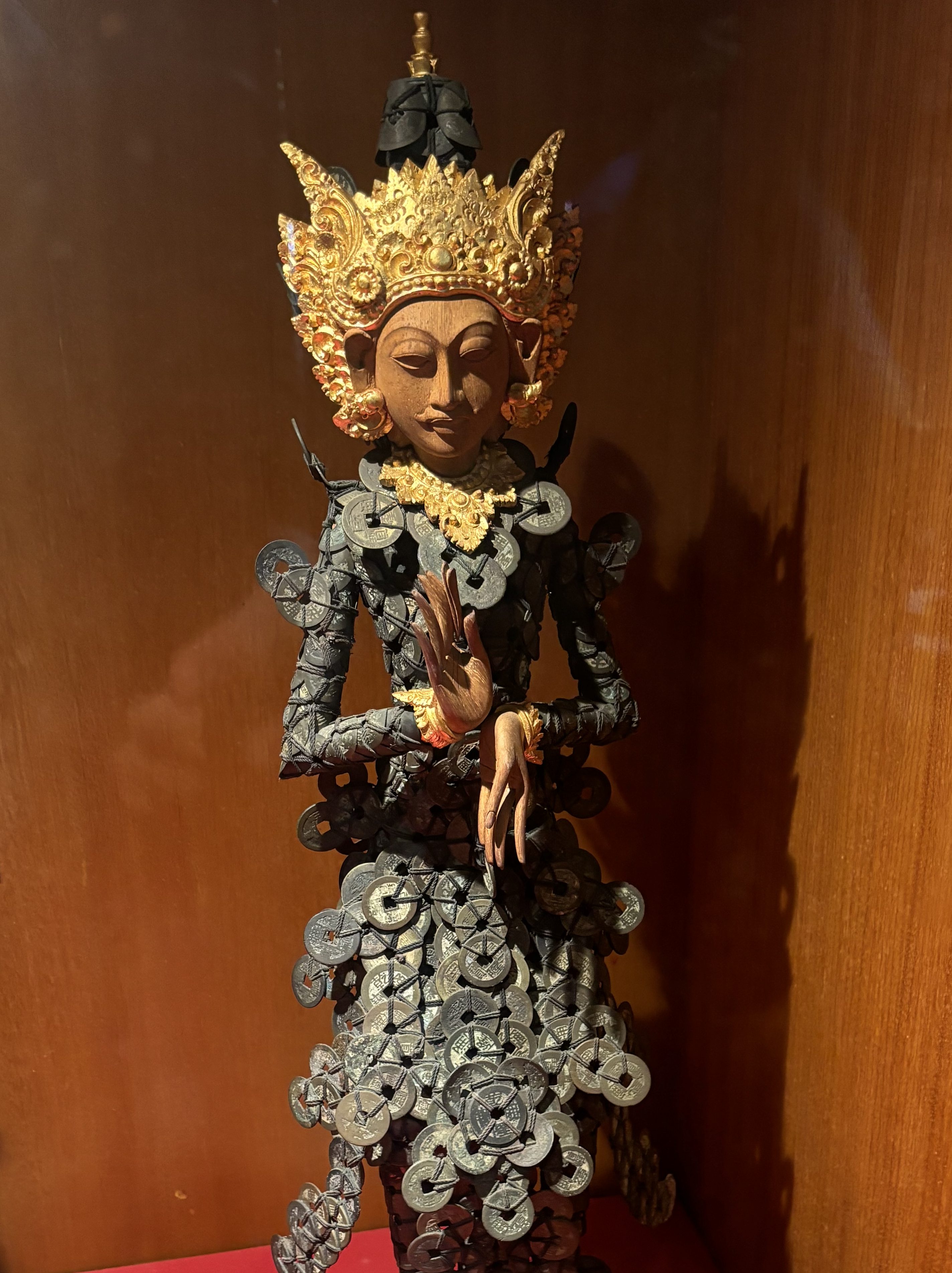
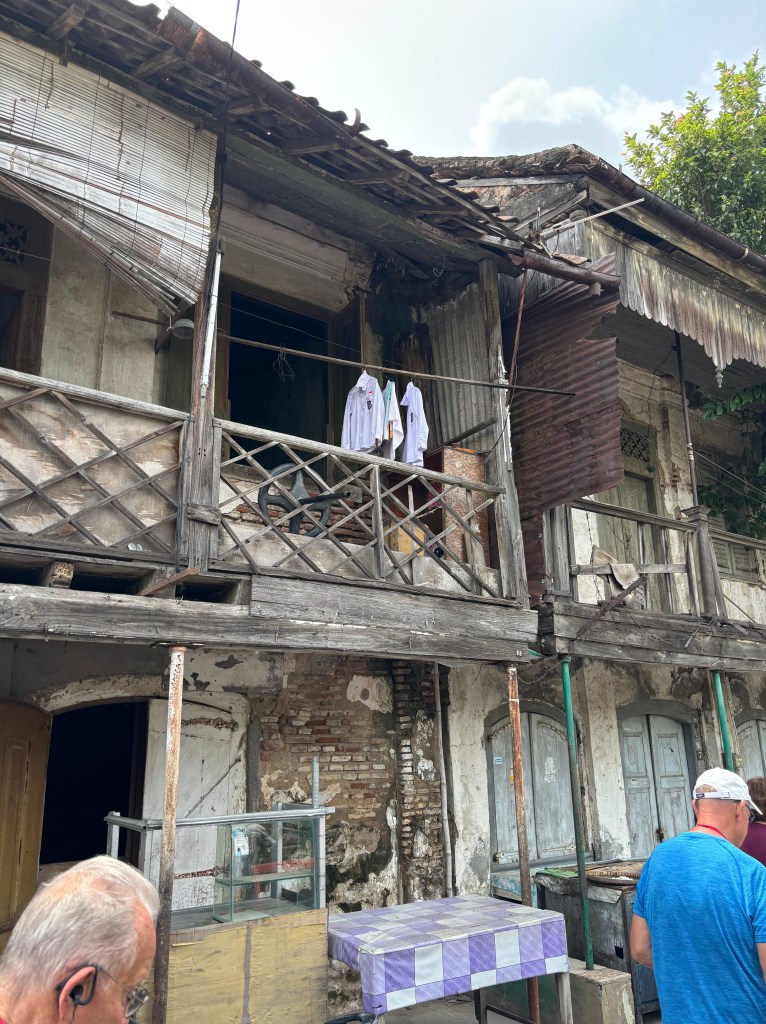
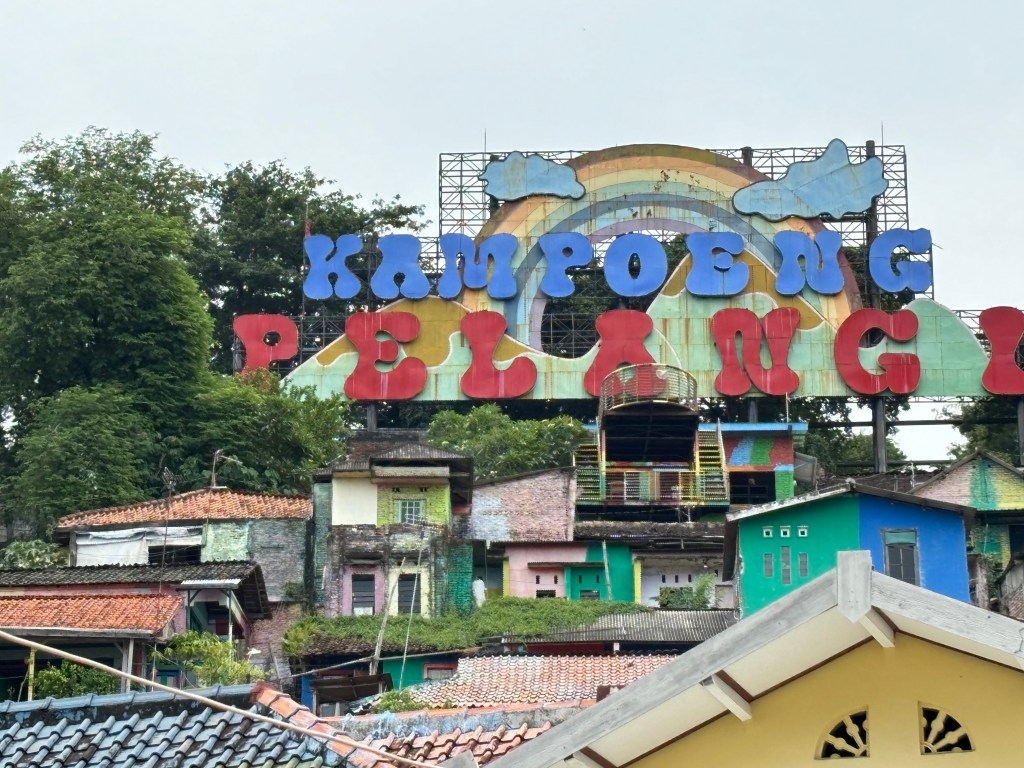
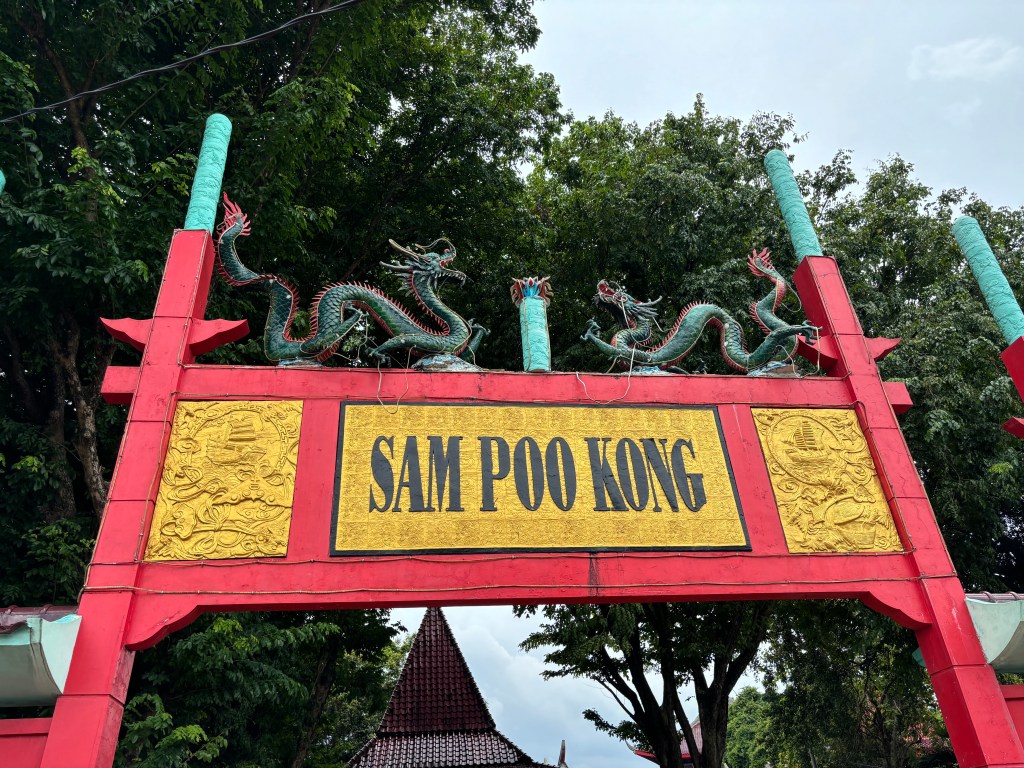
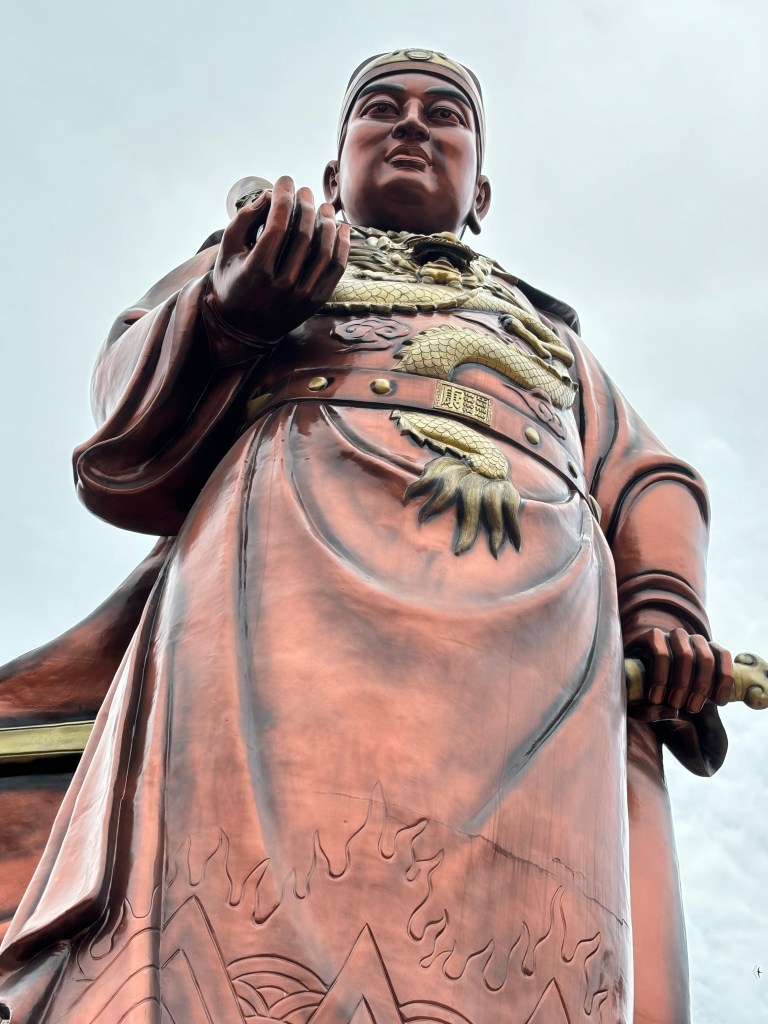
We saw about a dozen of these fellows – mostly lounging around and moving slowly.This little guy found his way up onto our boardwalk and had to be shooed away by one of our guides.Their diet includes such prey as this water buffalo who didn’t seem to be aware of the hazards he is surrounded by. Maybe he is too big to be taken down, although one weapon the Komodo’s have is a bacteria laden bite that will drop the prey after a few days and feed a pack of Komodo followers.Here’s where these guys hang out.Here’s some of the 13,000 islands seen on our short cruise over to Bali.We arrived through this pass and docked at the Port of Benoa, which is next to the capitol city of Denpasar on Bali. Here’s a few incoming shots.Our local neighborhood for two days of touring.They gussied up the cruise dock area to give visitors like us a feel for Bali culture.And a short walk from our ship was a local terminal with lots of fishing boats and other assorted craft.Albacore tuna I think – frozen hard as a rock.Our first shore excursion was dinner and a show at the Bali Bird Park where we got to handle some of the exotic birds such as Macaws, Cockatoos and other big colorful characters. After dinner we were entertained with a show that told a story from ancient Hindu tradition. Bali is actually about 85% Hindu religion although Indonesia as a whole is about 87% Muslim. The show had about 50 men who chanted, sang, and more or less danced in place for the whole 40 minute production. Otherwise there were costumed characters that told the story that was very involved with beautiful women and men that seemed to fight over the women etc.The next day we visited a market, museum, and temple in Denpasar (Bali). Here’s our guide giving us the lowdown on all of these peppers etcA neat museum piece.And stone carvings are everywhere in Bali with many vendors along the roads with lots of stone pieces to put in your yard or wherever. Here are some from the temple we visited in Denpasar.The black and white checkered skirts and other similar black and white wrappings symbolize yin/yang in the Hindu tradition.We had a BBQ dinner and dance party on the Pool deck one evening.Our last day in Indonesia has us in the city of Semarang on the island of Java. Our tour of town started with the Old Town sector where a 14th century church was to be seen. Our tour guide said the Indonesians had been “occupied” by the Dutch for 350 years and finally got their independence in 1945 or so after a brief spell of being “occupied” by the Japanese. The church was neglected for many years before the Indonesians realized that tourism was a good industry to encourage so they cleaned things up. The Old Town neighborhood is a bit run down still.Next stop is “Rainbow Village” which is an old low income neighborhood on a hillside that had been run down but somewhat recently got renovated rather than torn down.Final attraction was a Chinese complex that was started by the great Chinese mariner and explorer Zheng He who came through here around 1420 in the course of exploring much of the Indian Ocean in a huge Ming Dynasty effort.And here’s the big guy himself.And a fond farewell from the local boys of Indonesia. We’re now off to Vietnam with three days Ho Chi Minh City.
We’re on our way north from Sydney for what turned out to be three sea days since it was too rough for us to get ashore at Mooloolaba which is near Brisbane. So here are a few pics en route.
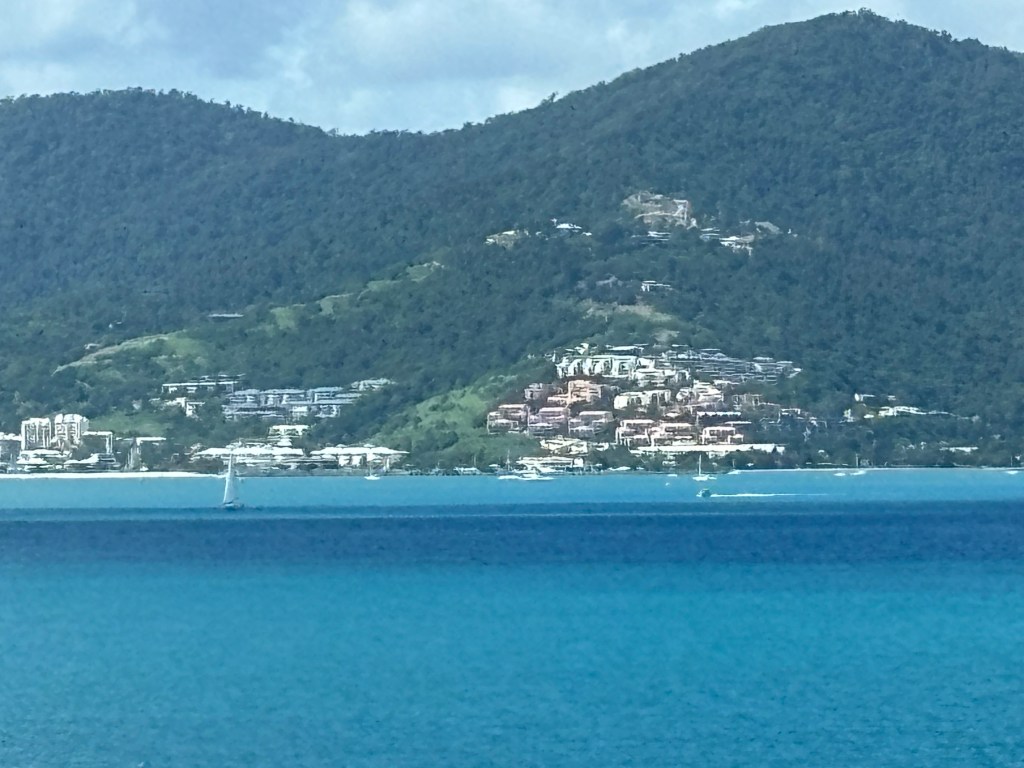
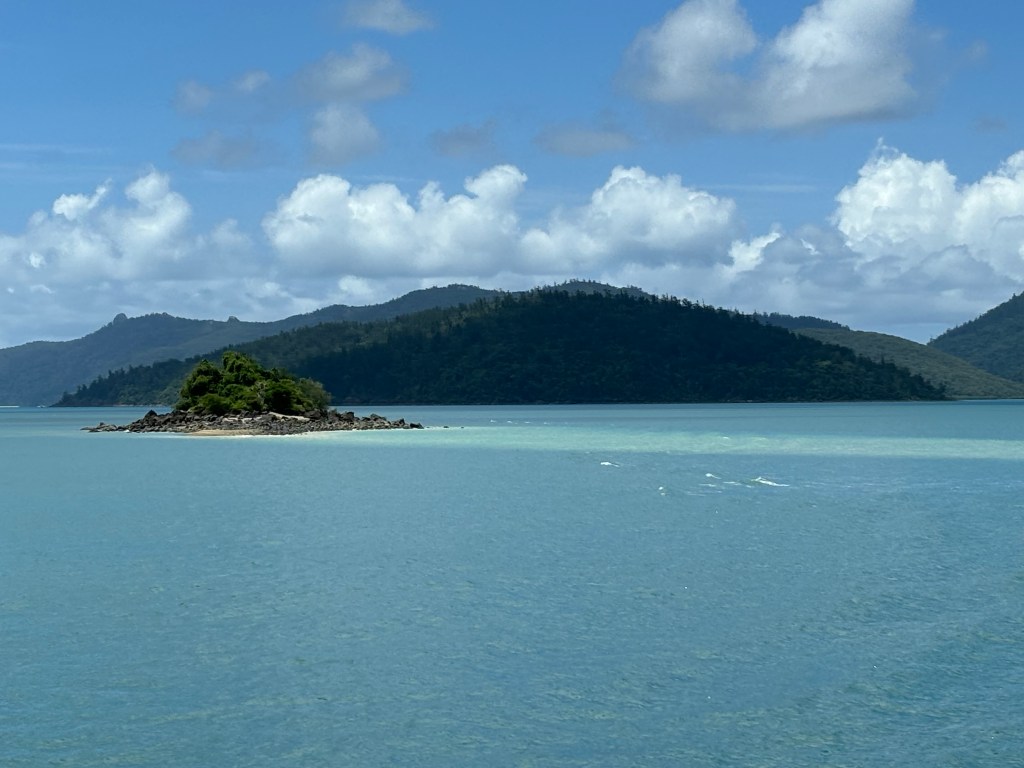
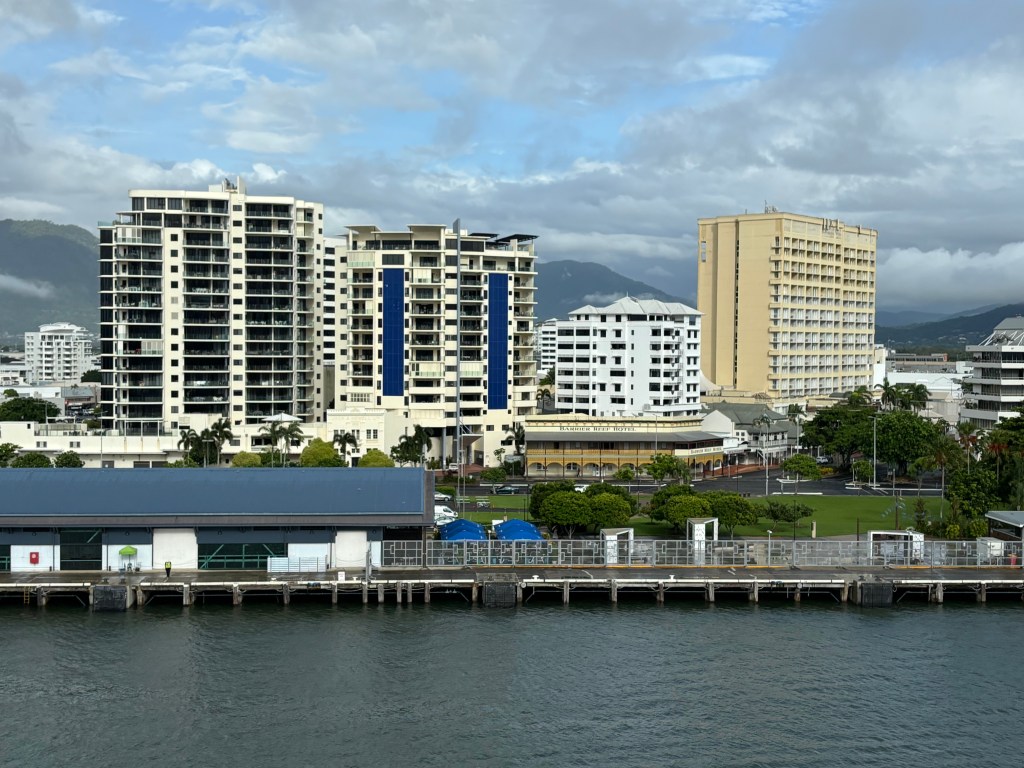
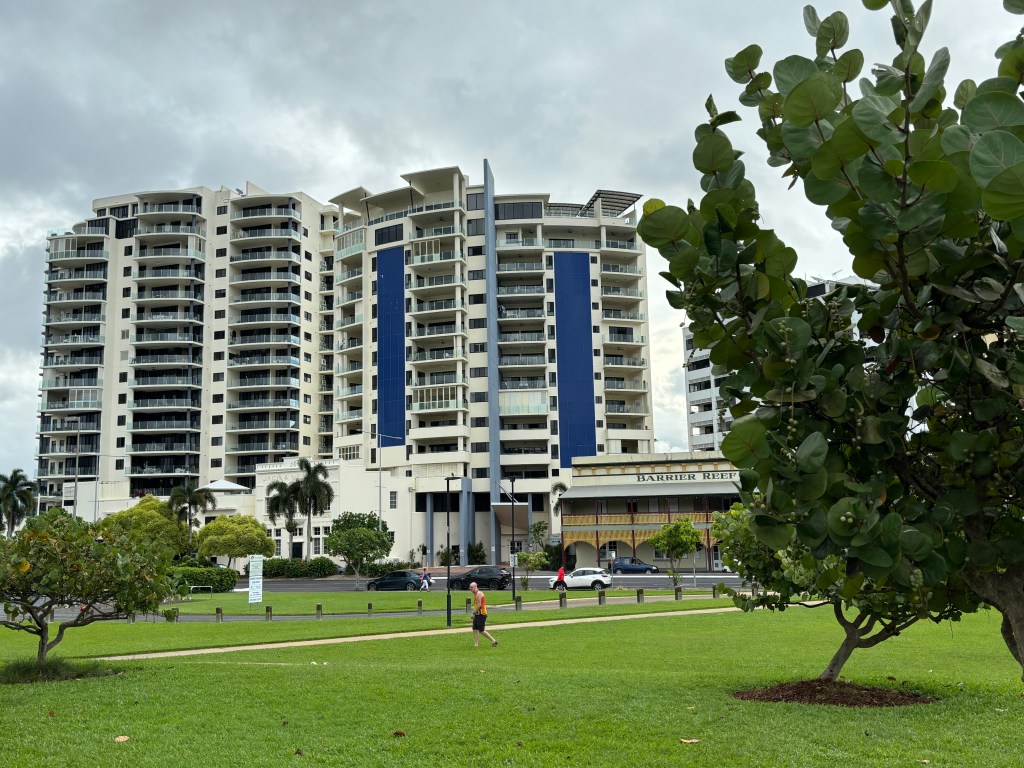
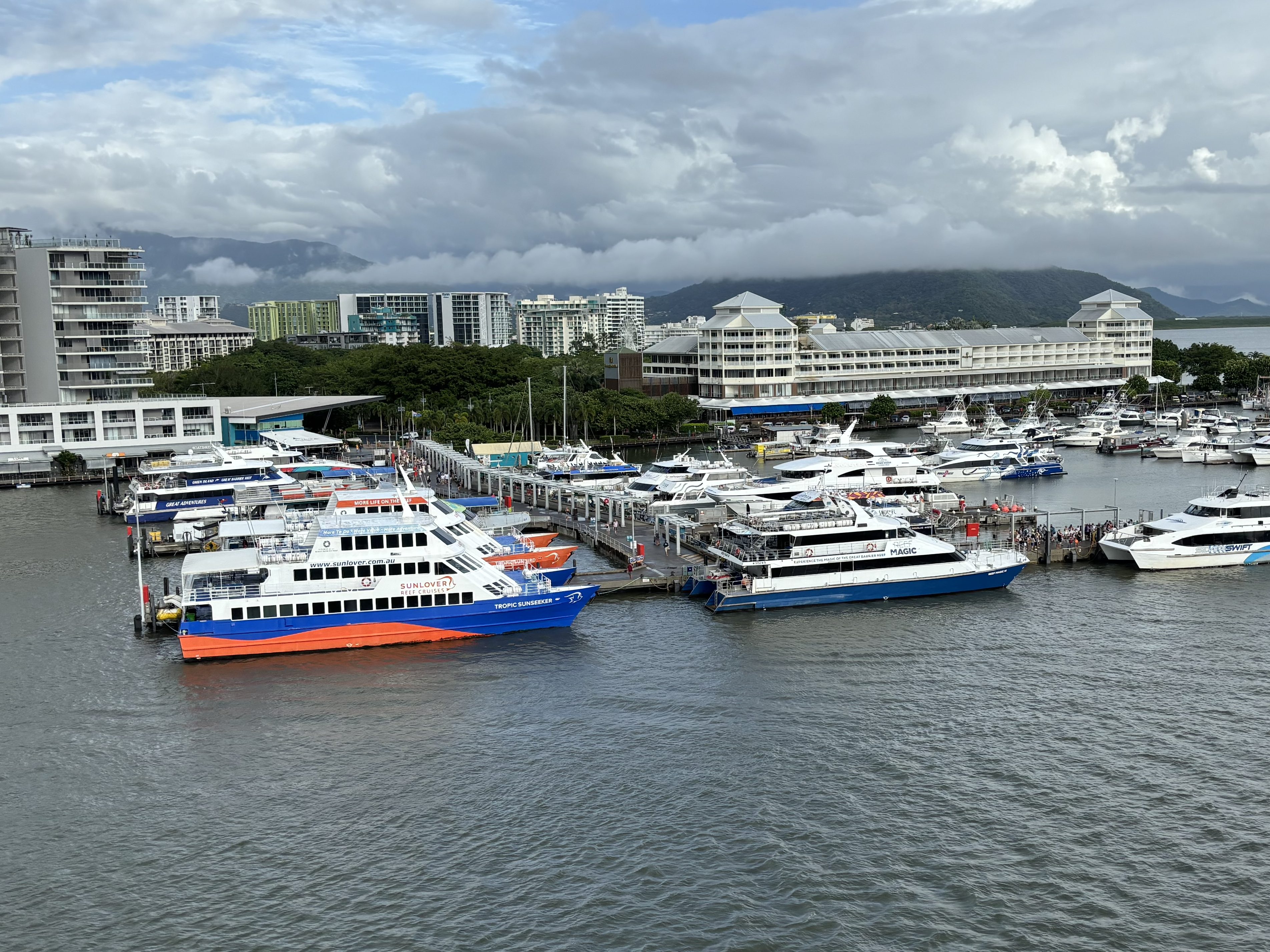
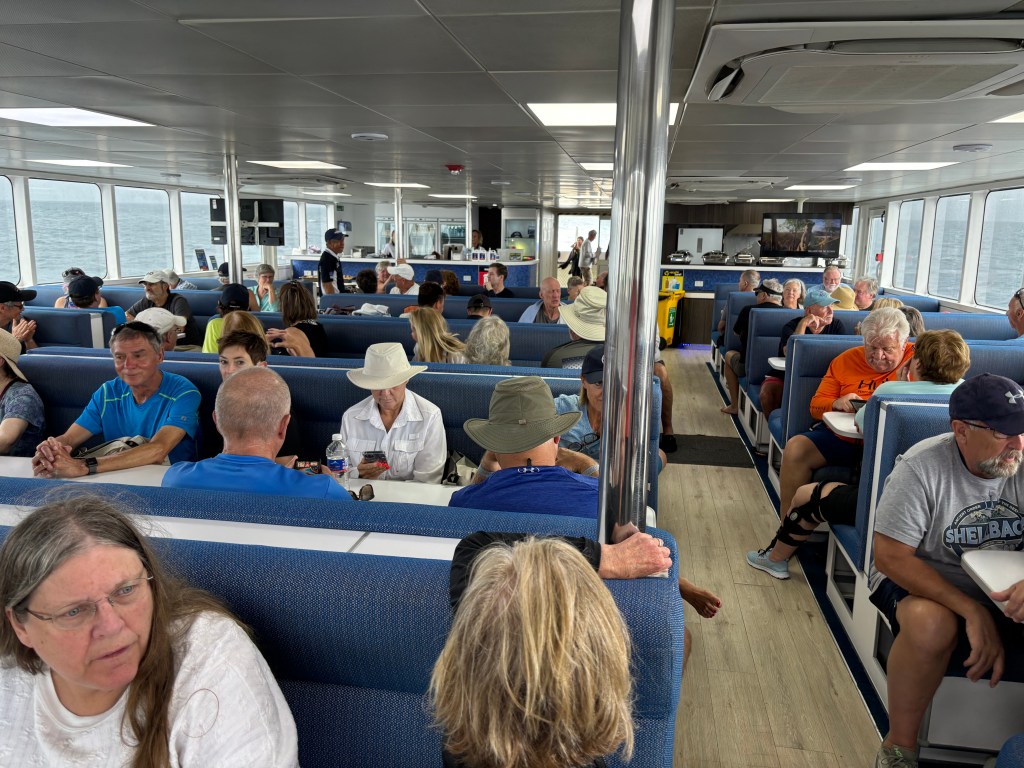
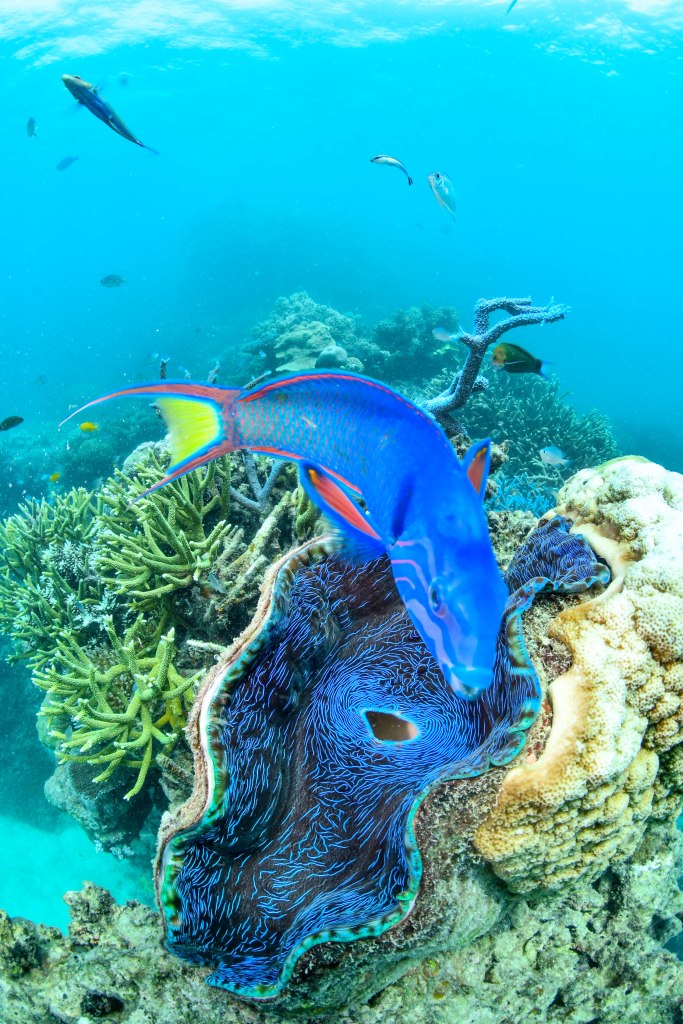
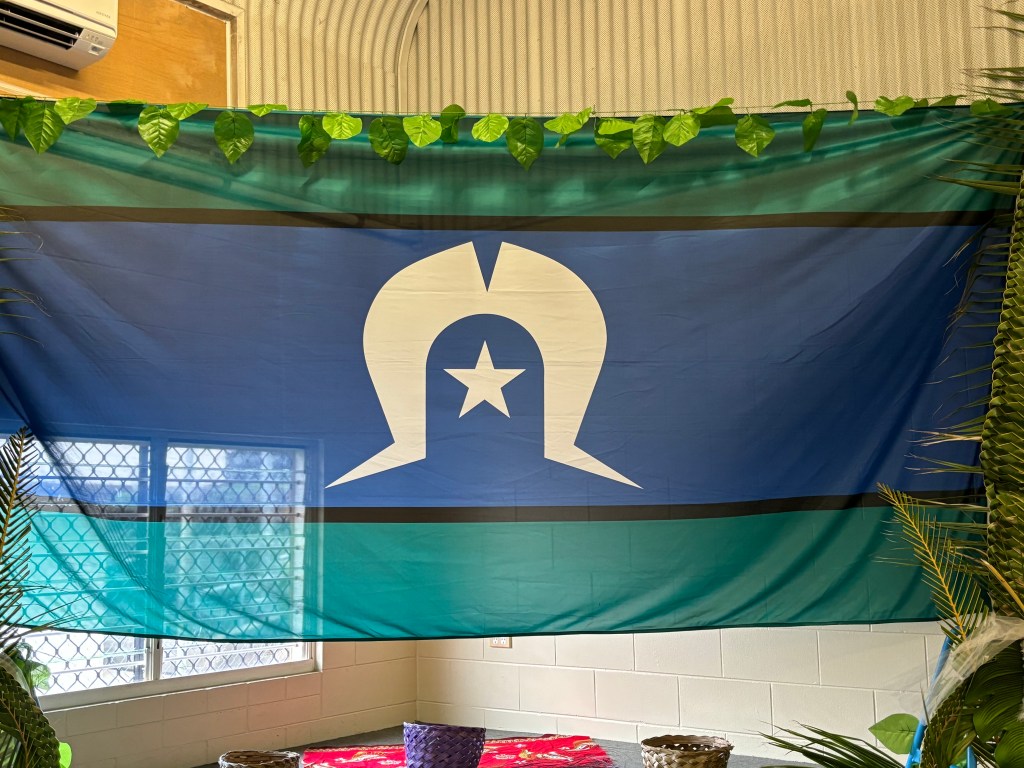
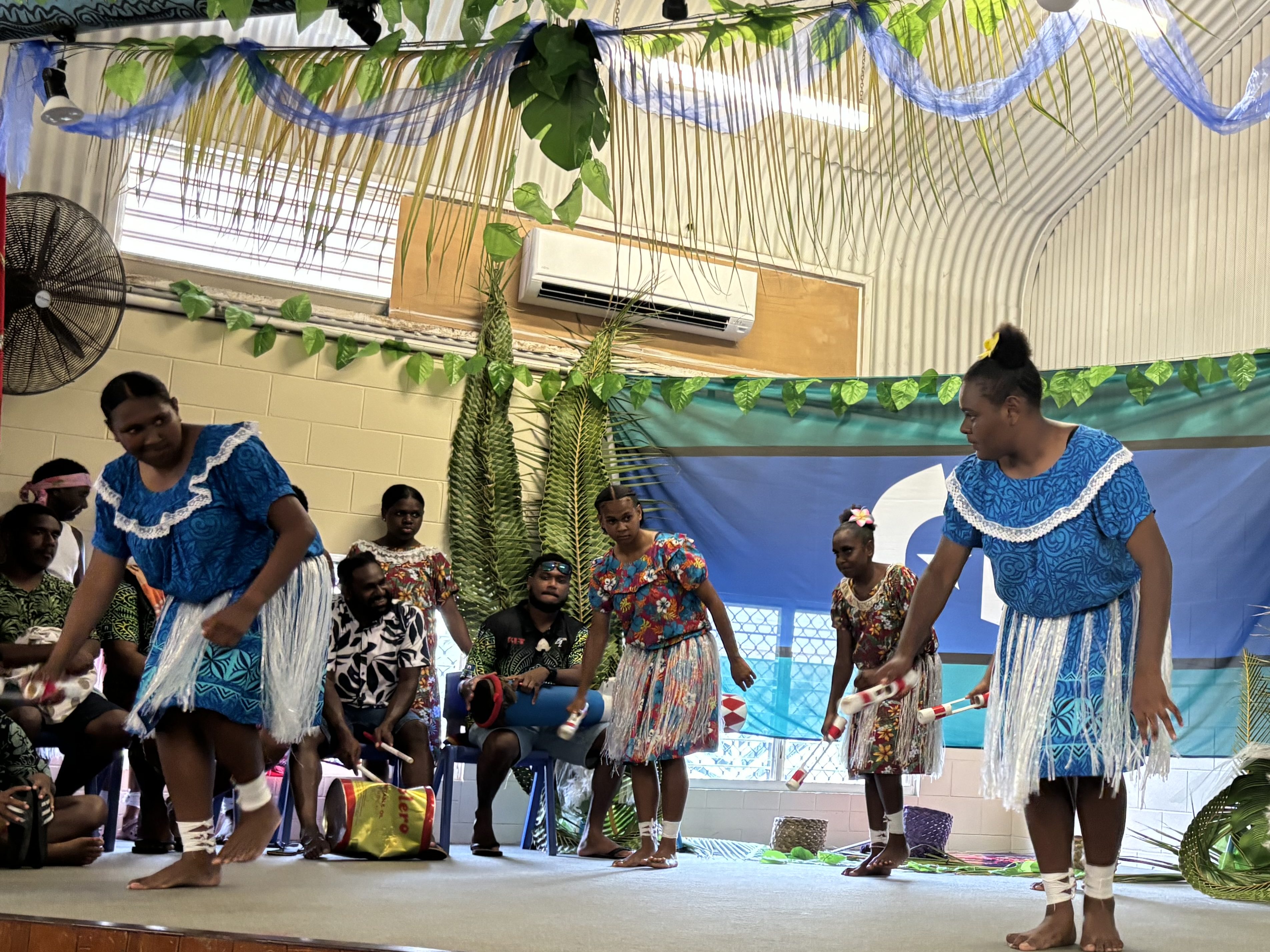
We had a nice dinner party with Marty’s bridge playing buddies and their spouses as well as our bridge instructor team, George and Anne.We finally arrive at the town of Airlie Beach which is the access town for the Whitsunday Islands. Here’s what the town looks like from our anchorage.We did not visit Airlie Beach as our activity was to cruise around the Whitsunday Islands. The Whitsundays reminded us of the San Juan’s except they did not have houses, villages, and wooded hills. They do have charter sailing programs here but that now is relatively low on my list compared to other options in the world due to limited diversity for cruising.The next morning we arrive at Cairns which is our jumping off point for snorkeling on the Great Barrier Reef.Here’s the dock with a number of catamarans for the snorkel trips to the reef.And now we’re n our way out to the reef which was about 35 miles out and 1.5 hours in the catamaran each way. There were about 200 of us snorkelers on the boat and it was an impressive operation – very well managed.Marty and her bridge partner, Debbie, enjoyed the view from the bow where we sited a group of dolphins at one point.The snorkeling was great! Warm water, lots of fish and diverse, healthy corals. Here’s a pic or two that one of our guides took. Marty and I did not bother with underwater cameras.Back to our ship on the Cairns waterfront walkway.Next stop, after one sea day, was Thursday Island which is up in the Torres Strait at the northern tip of Australia, just south or Papua New Guinea. These folks are more dark-skinned due to their Melanesian heritage and not so much the Australian aborigine line. Very friendly and entertaining folks with the program they had for us.The Torres Strait flag. The big white horseshow shape is based on a native traditional headdress made with white feathers.This well-spoken elder told of her role in Torres Strait affairs including big efforts to keep out invasive species as well as make efforts in the climate crisis challenge.Here’s a local school kids with a dance program for our entertainment on Thursday Island. And then we’re off to Indonesia and were informed that morning that they have given up on the Red Sea route and that we’ll be going around Africa with stops at Mauritius and Reunion, three stops in South Africa, then Namibia, Senegal, Tenerife and three stops in Morocco before we get to Portugal.
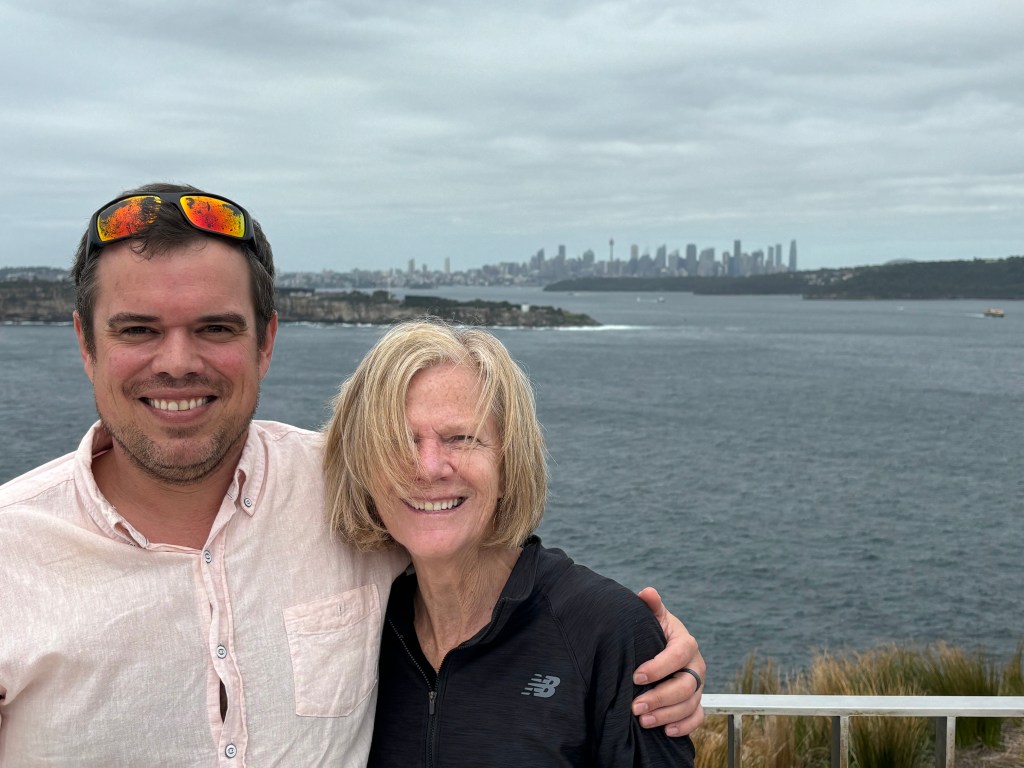
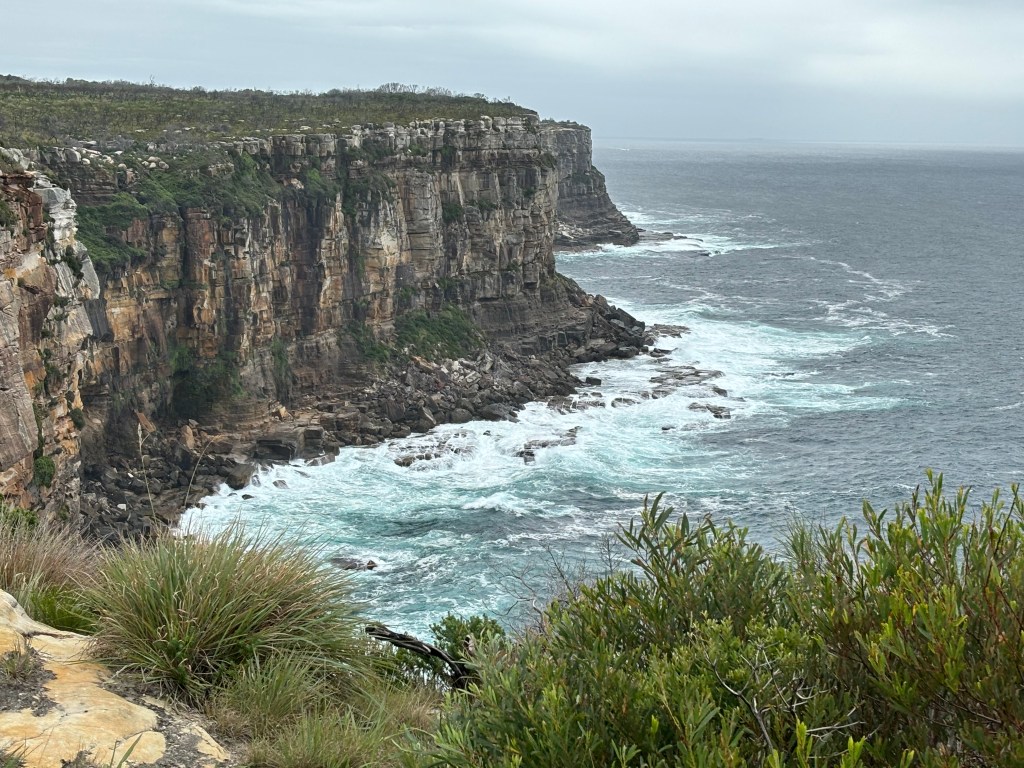
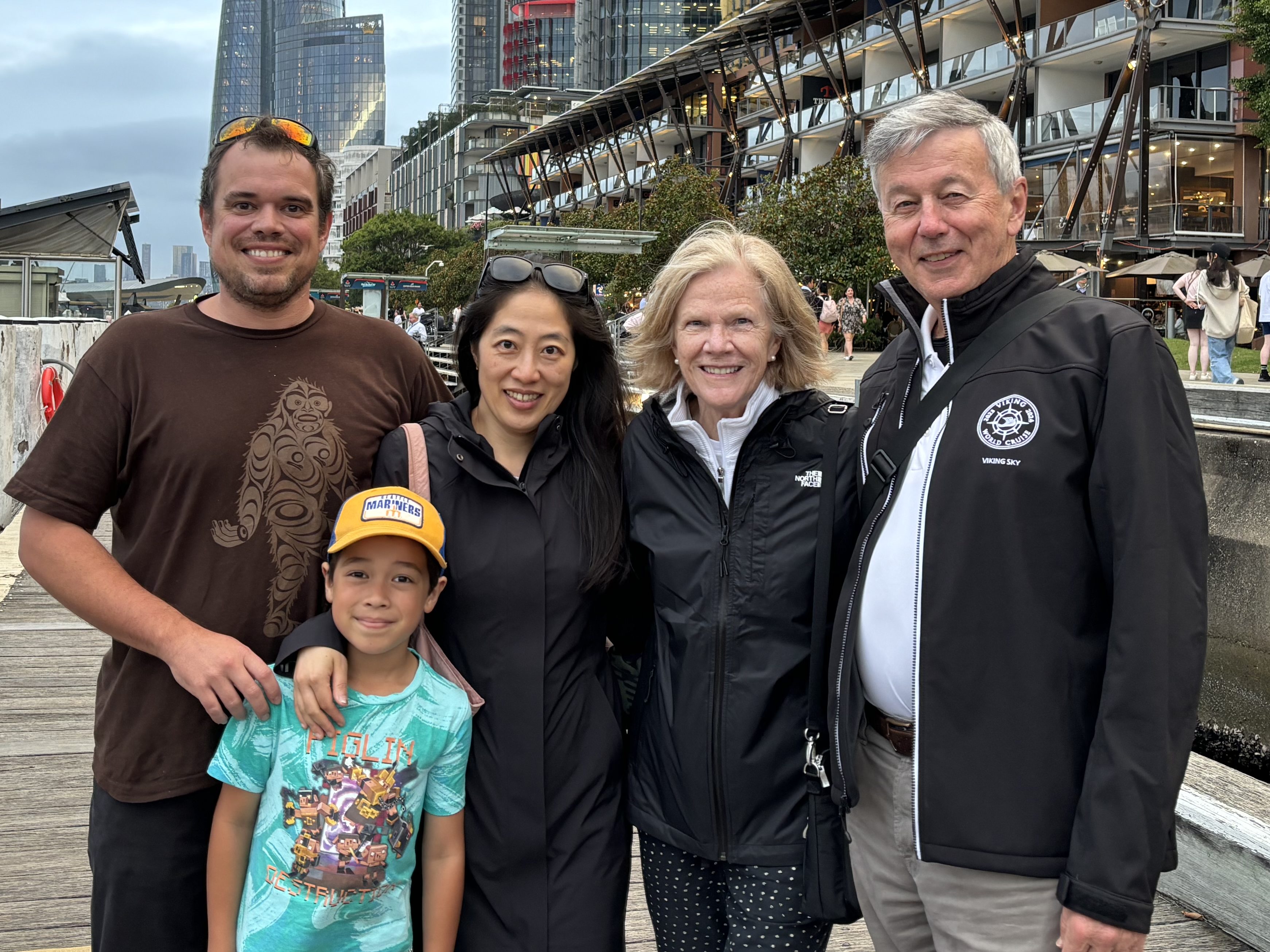
Our Australia adventure started in Sydney rather than Hobart (Tasmania) due to labor issues with the immigration folks in Hobart. So we had a great day in Sydney with Mikael Peck, Barb’s son, who lives and works in Sydney with his wife, Sunny, and son, Logan. Mikael picked us up in town and gave us a grand tour of the north side of Sydney, starting with a National Park hike.
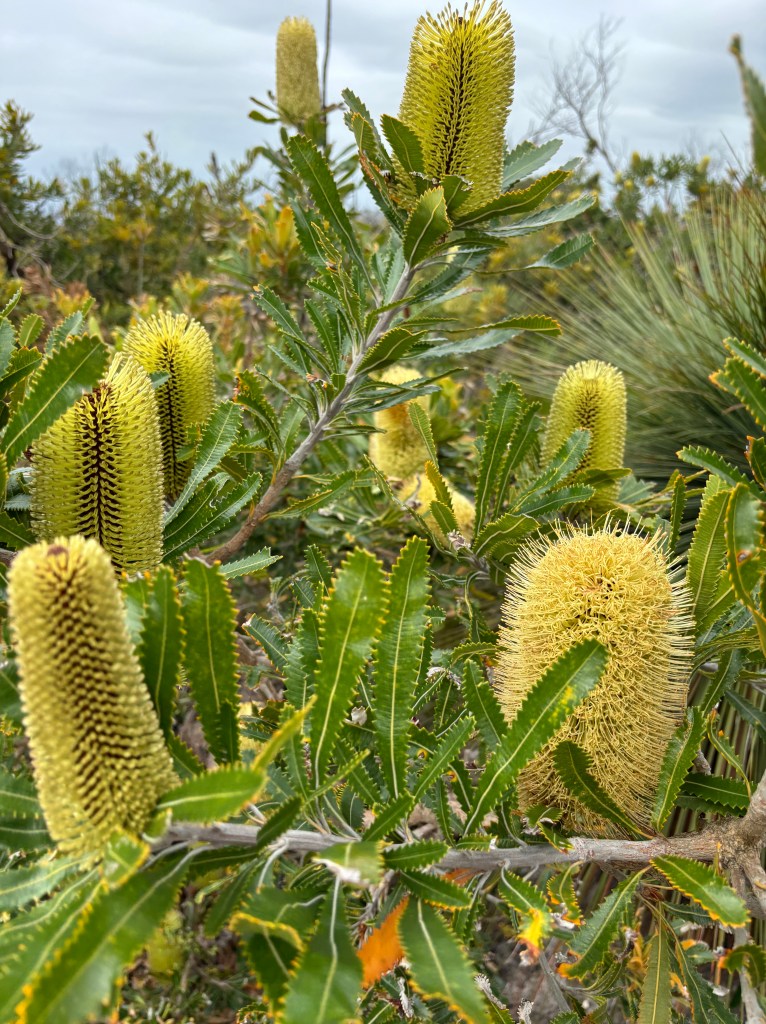
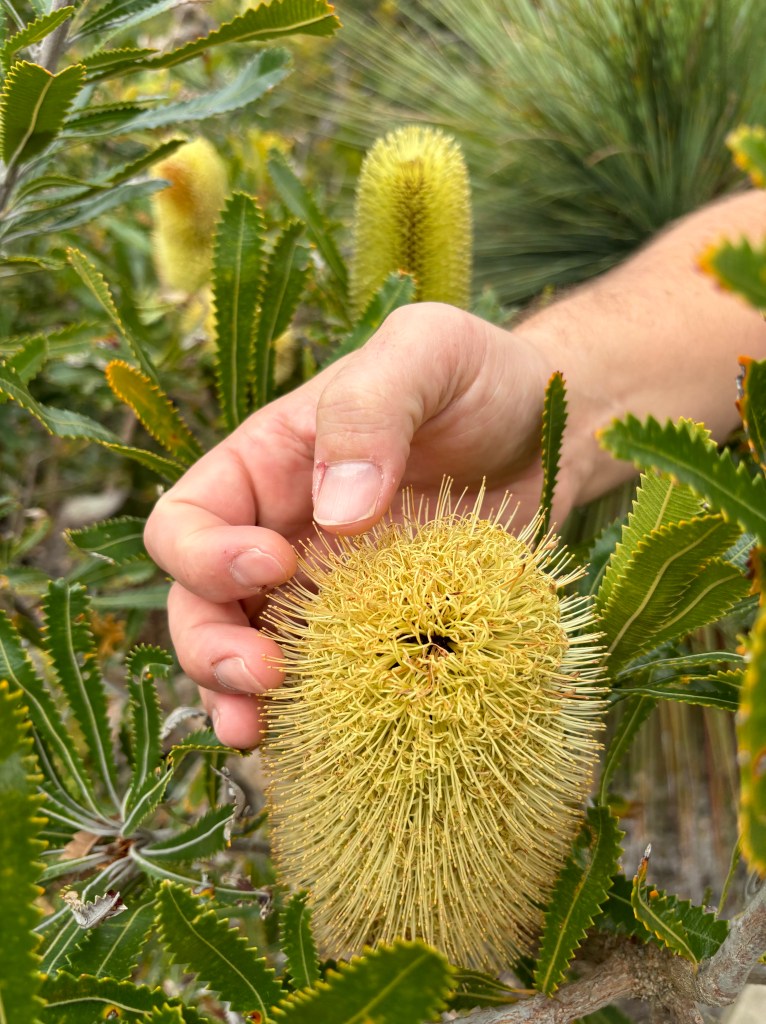
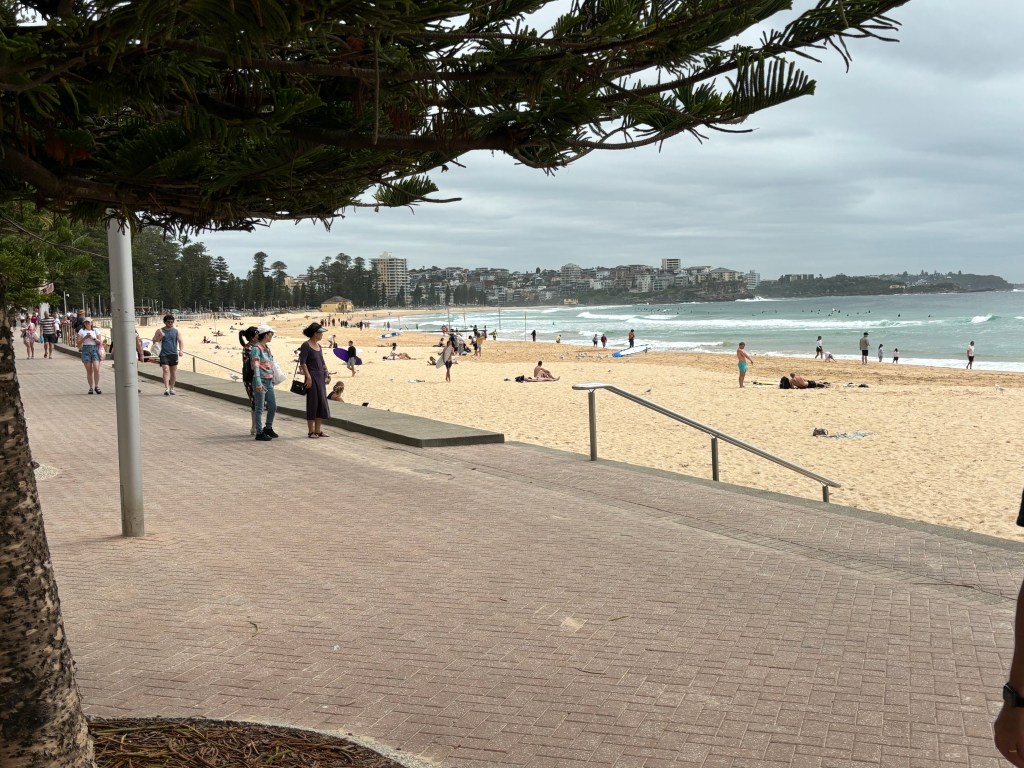
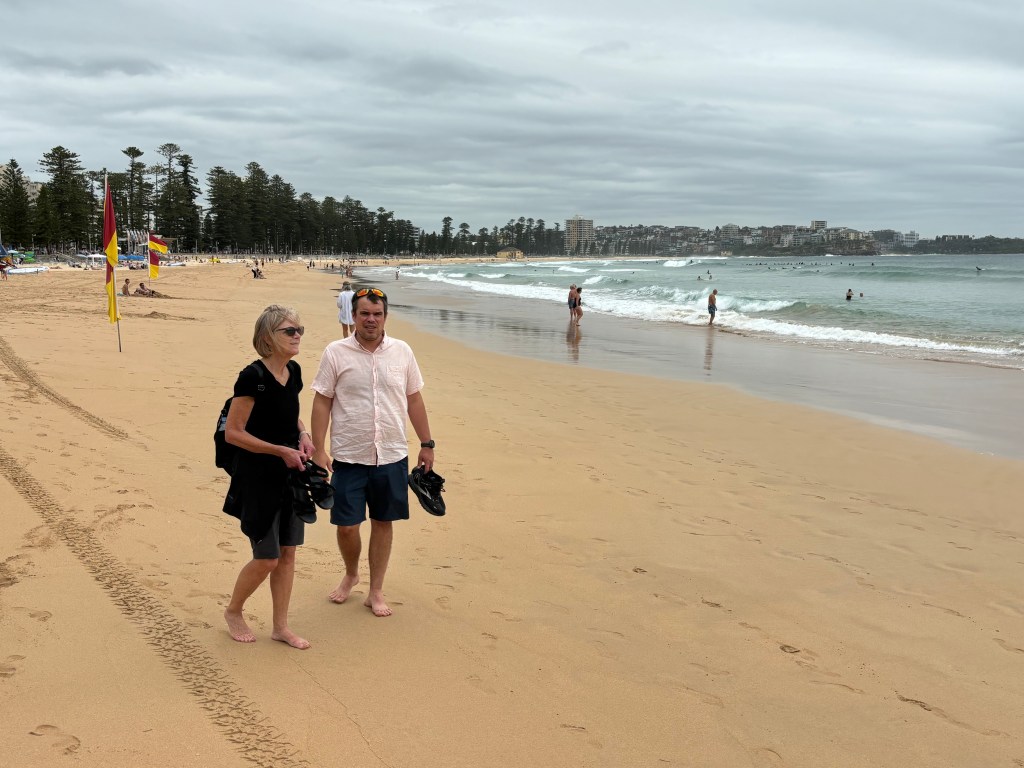
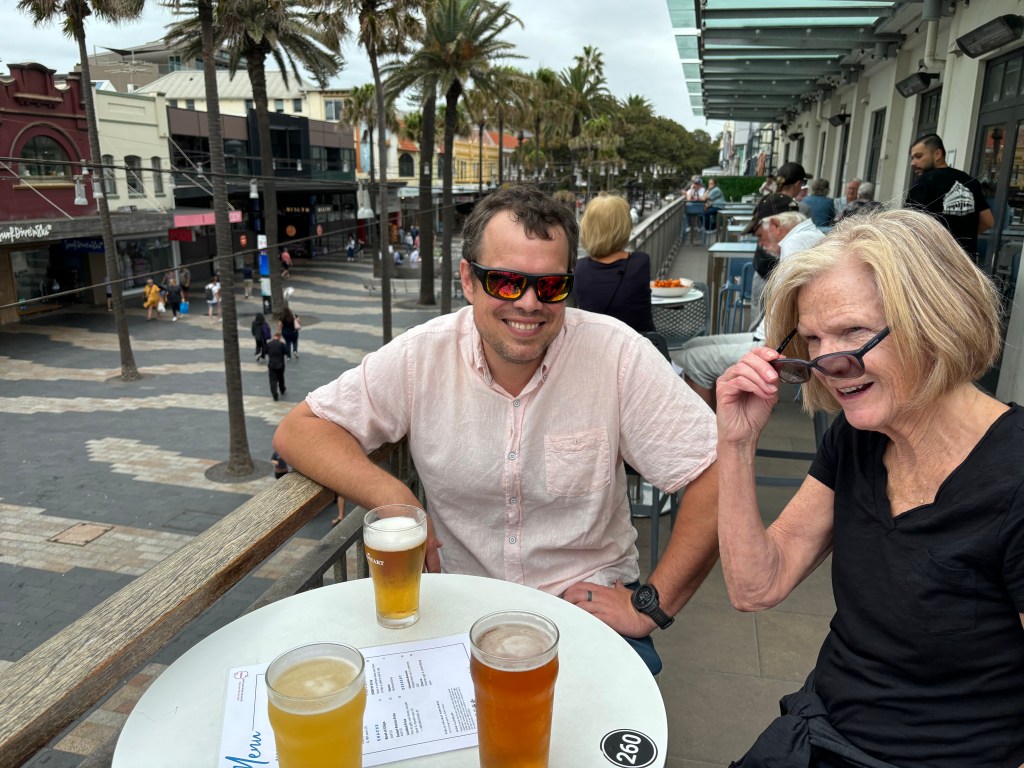
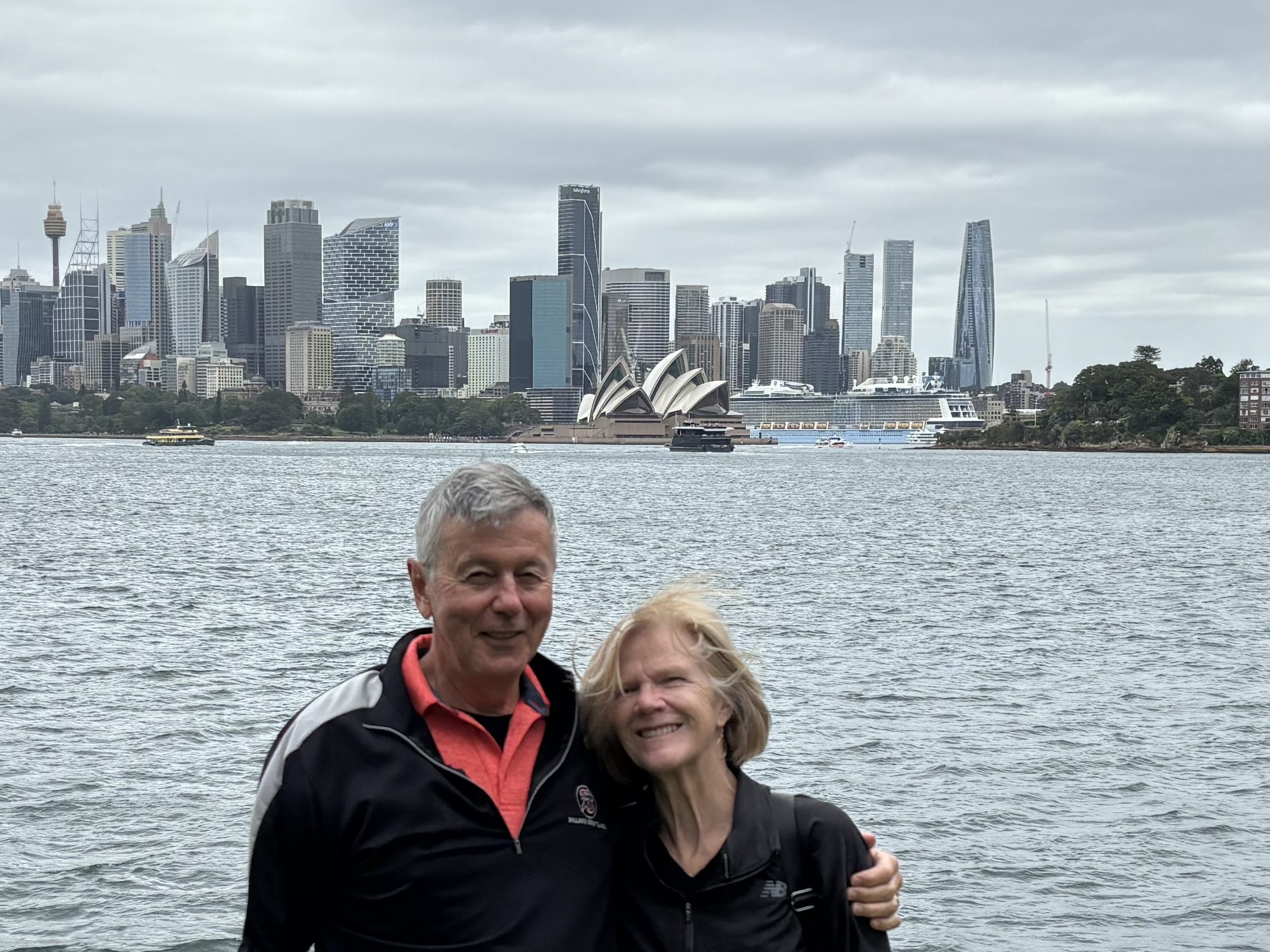
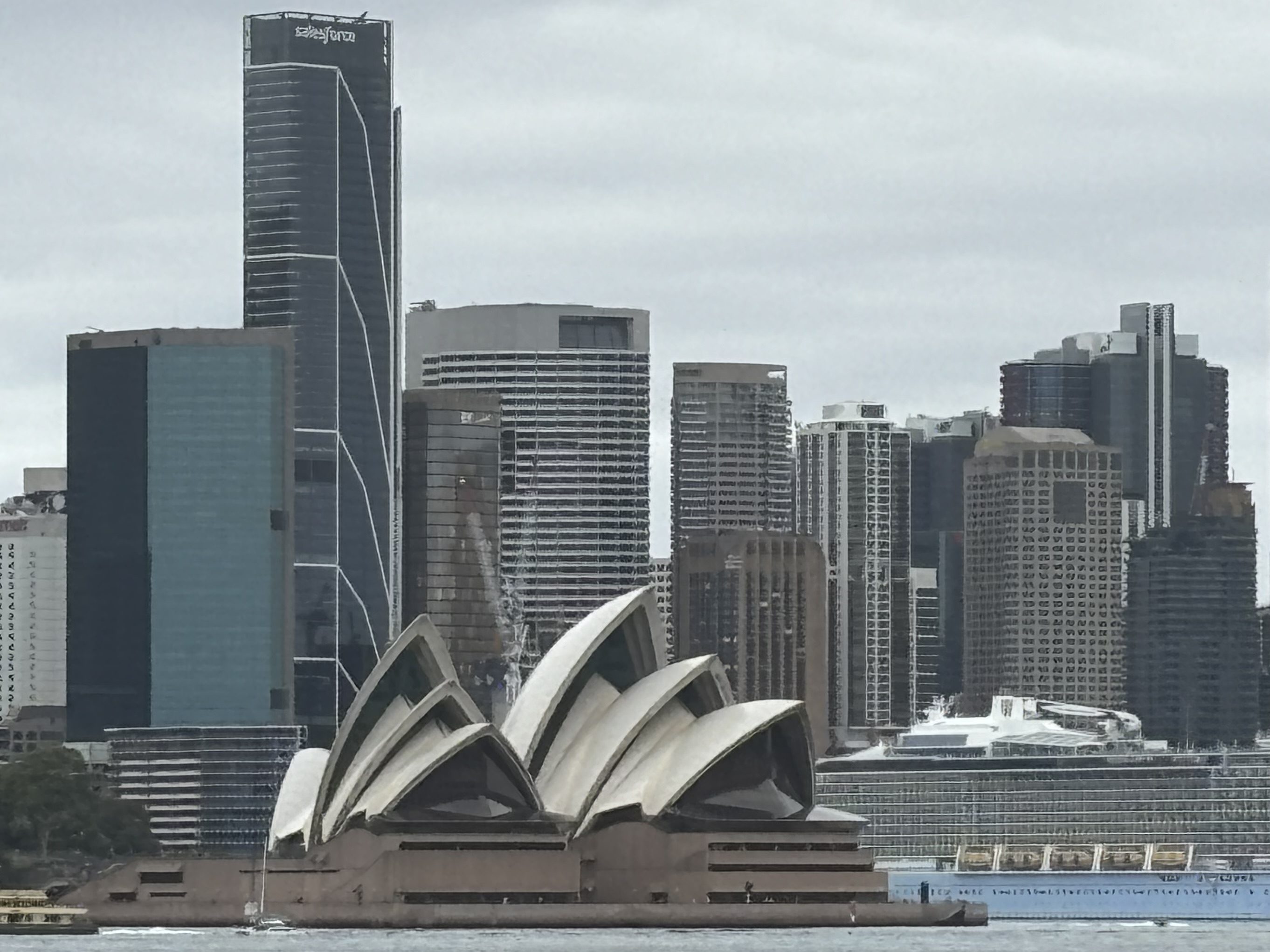
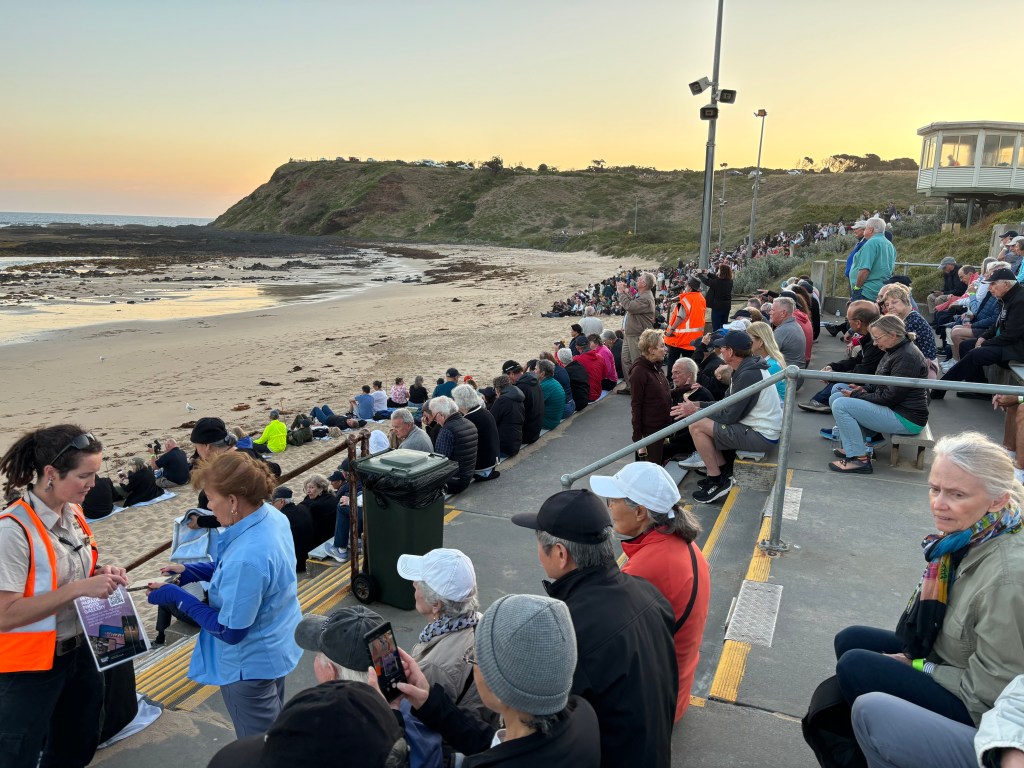
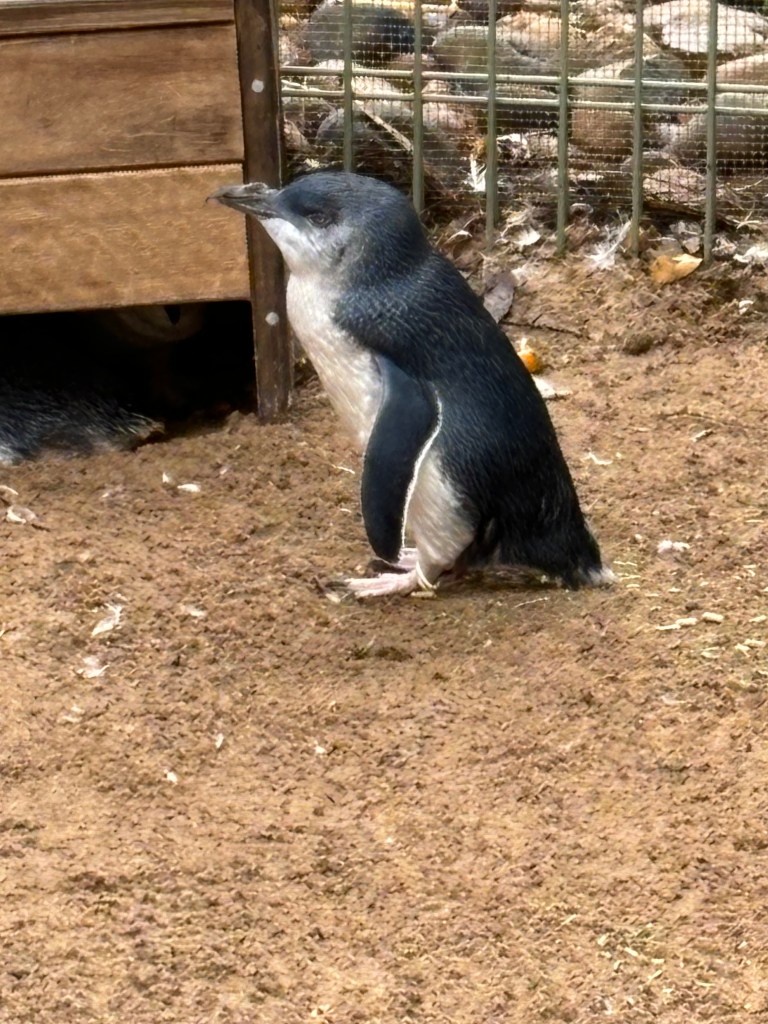
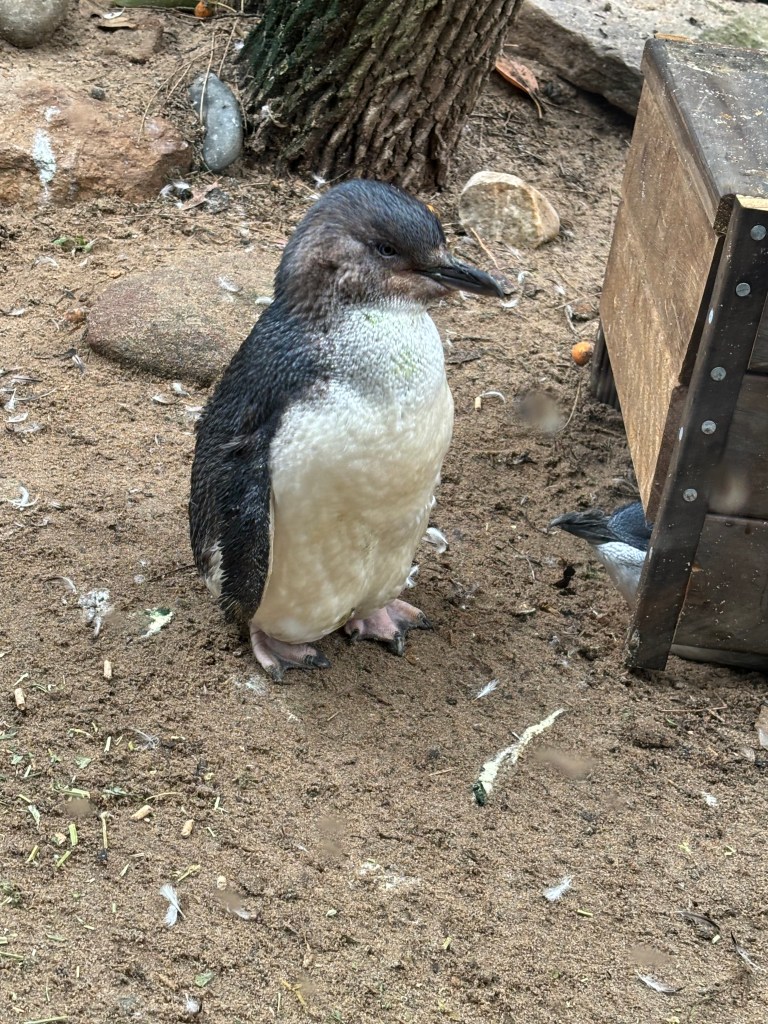
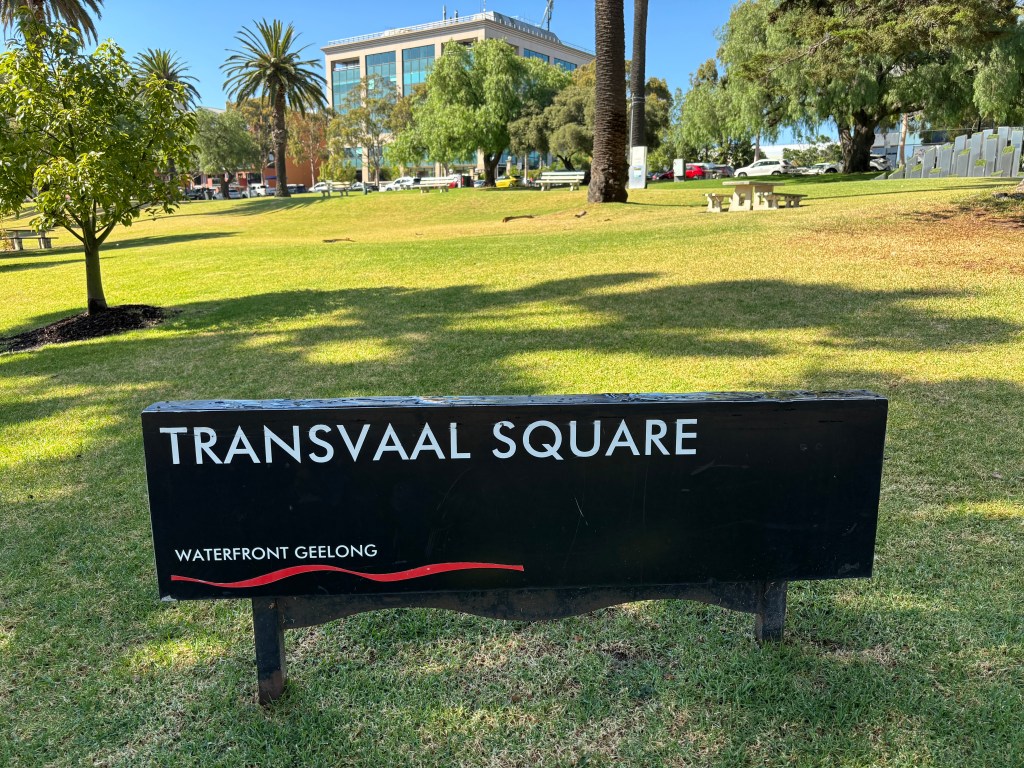
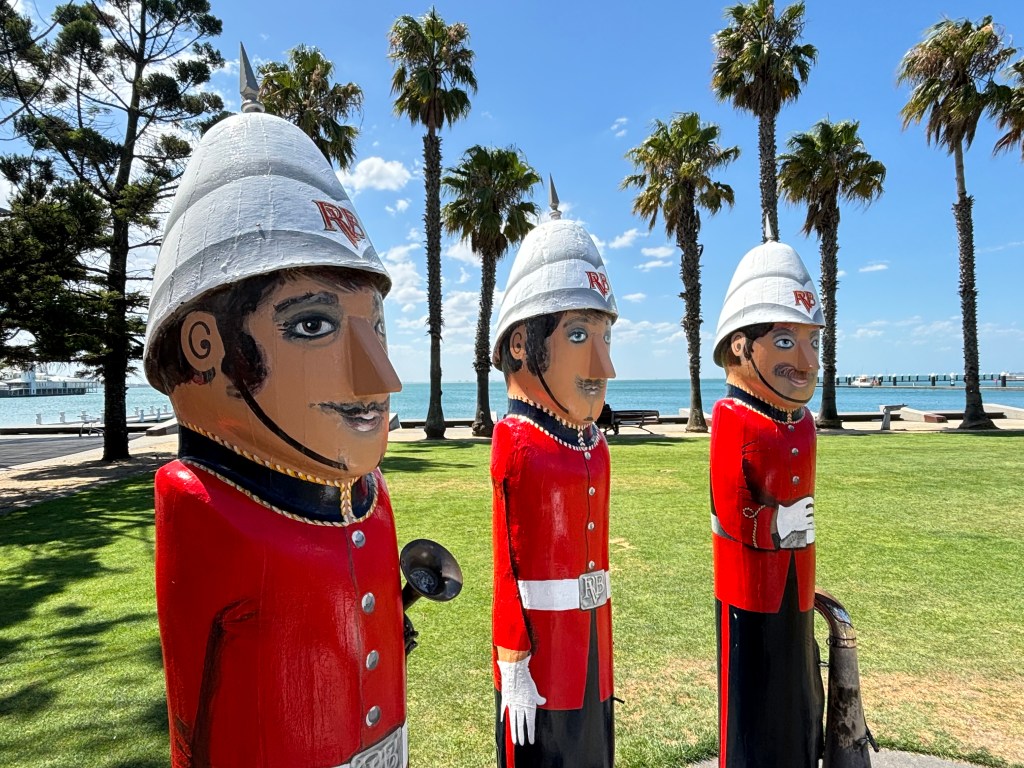
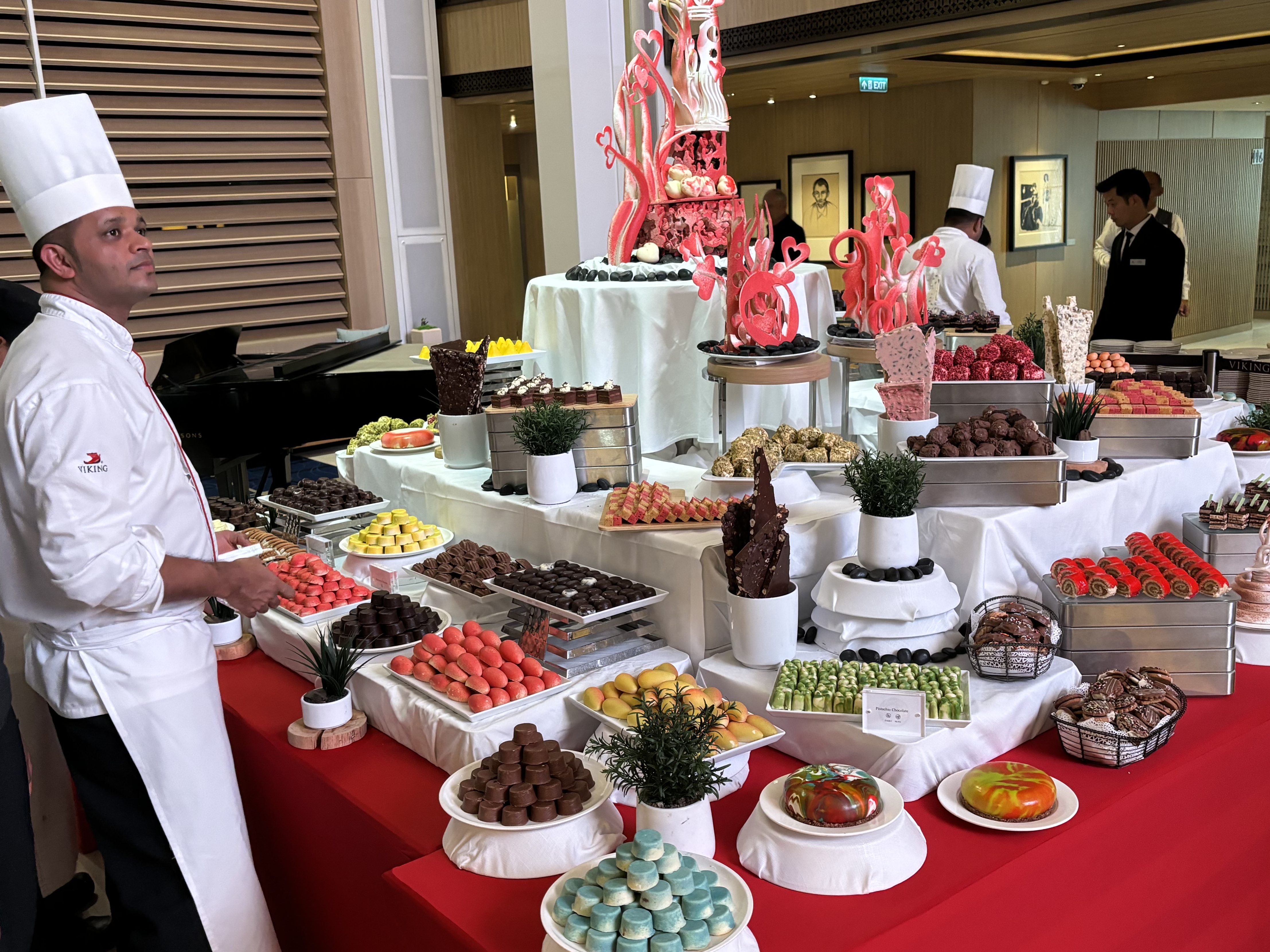
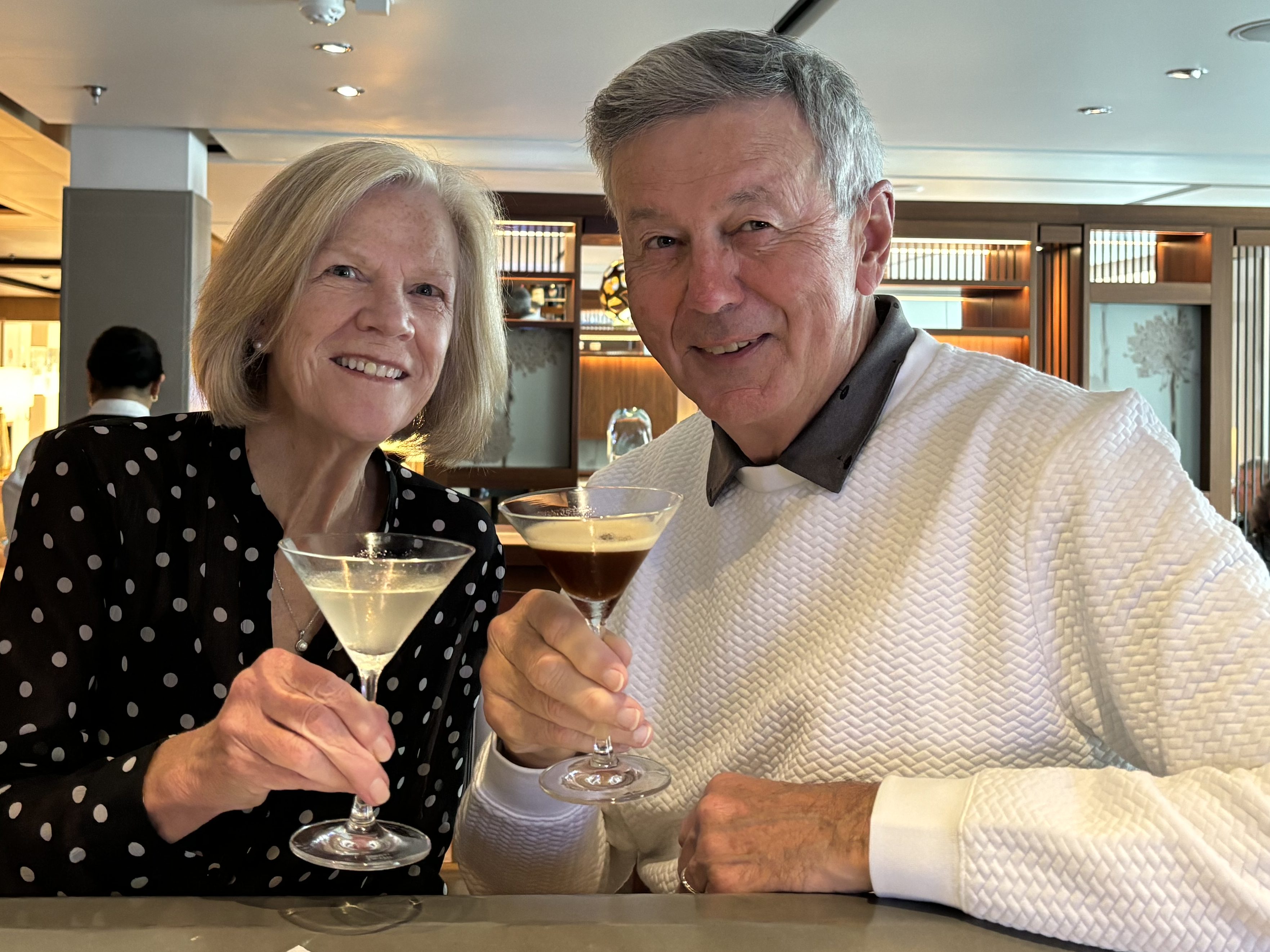
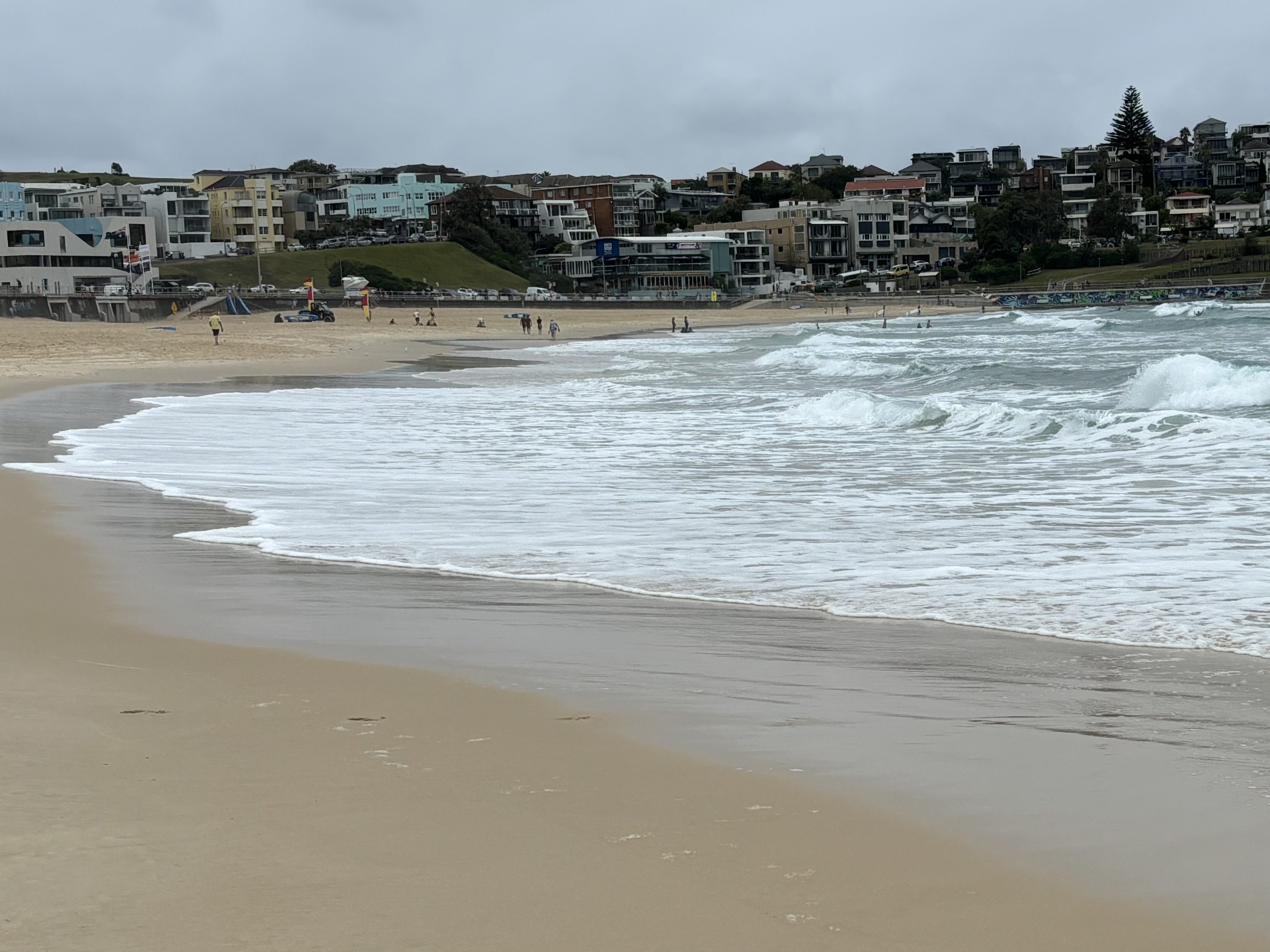
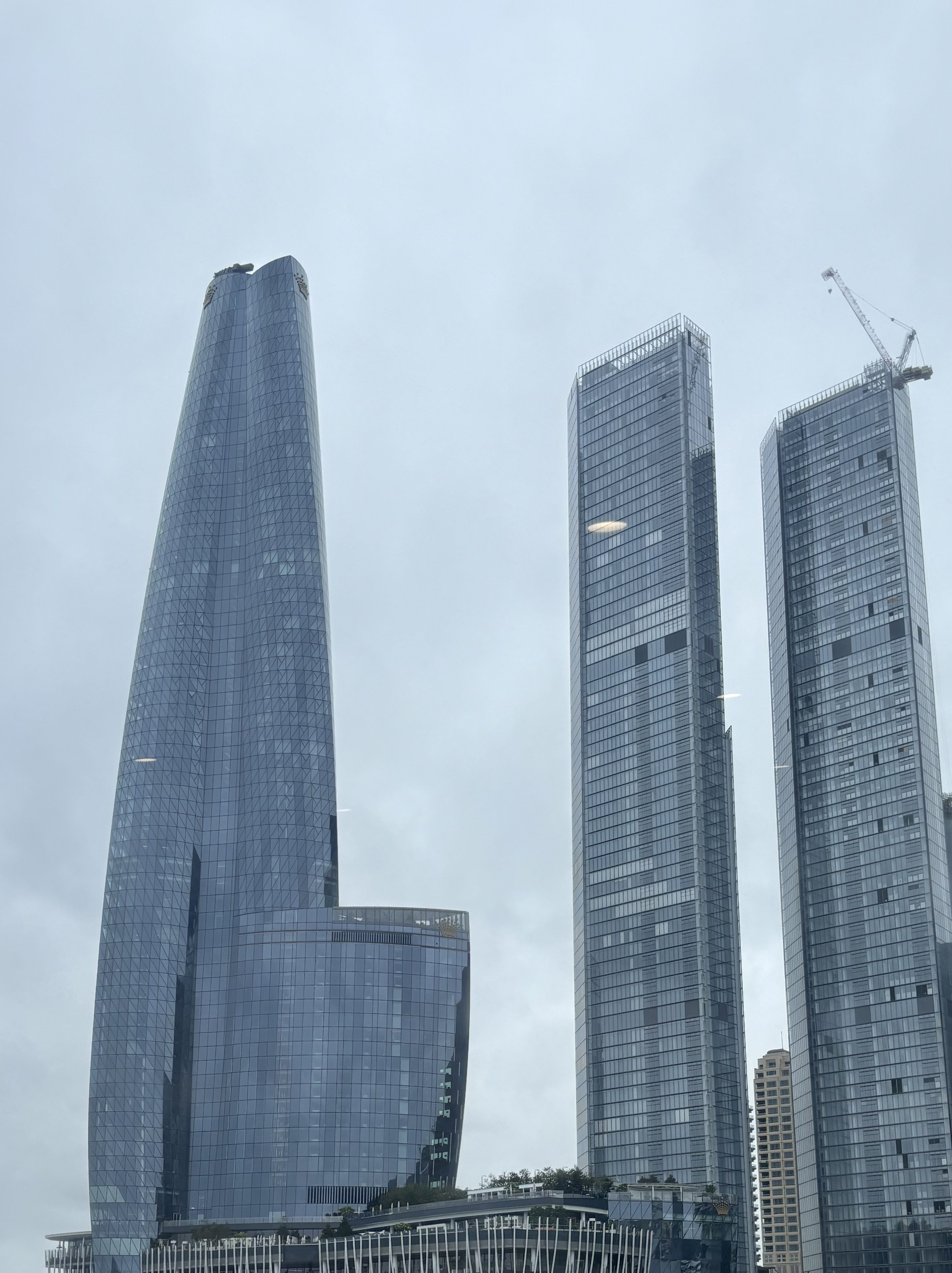
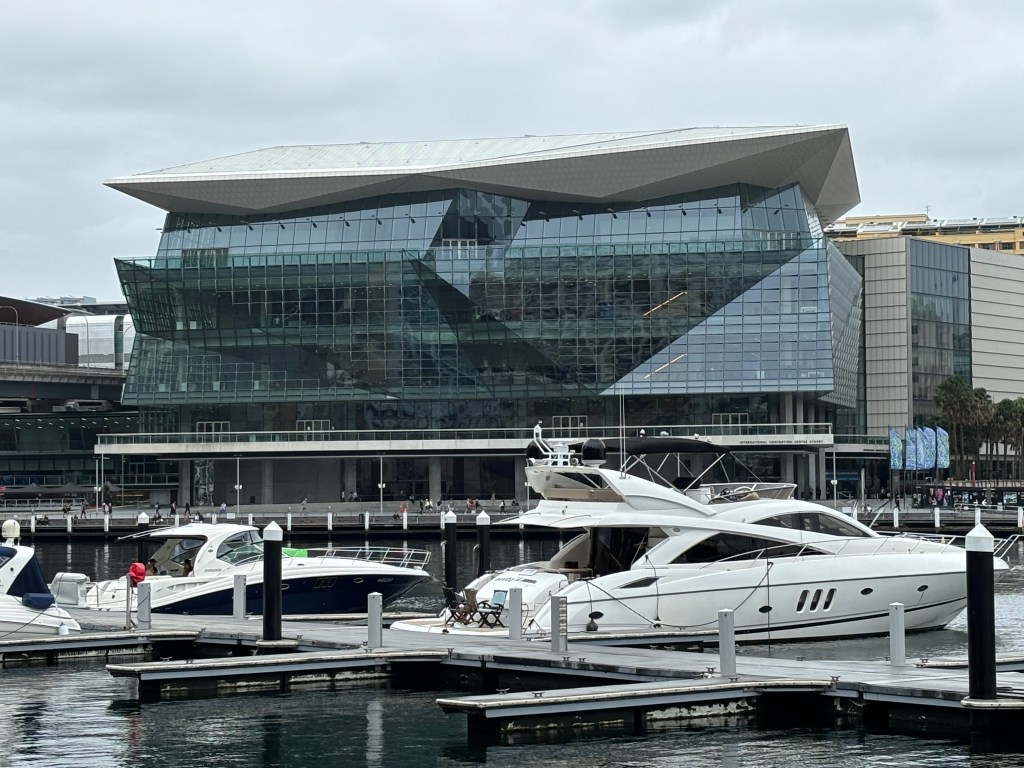
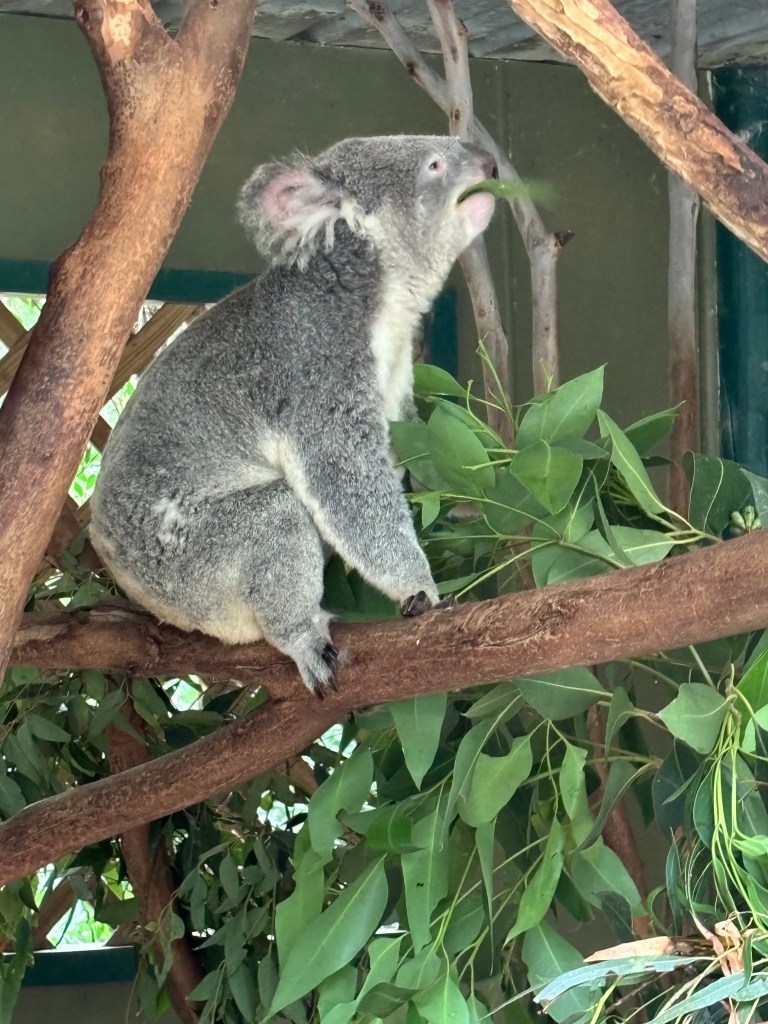
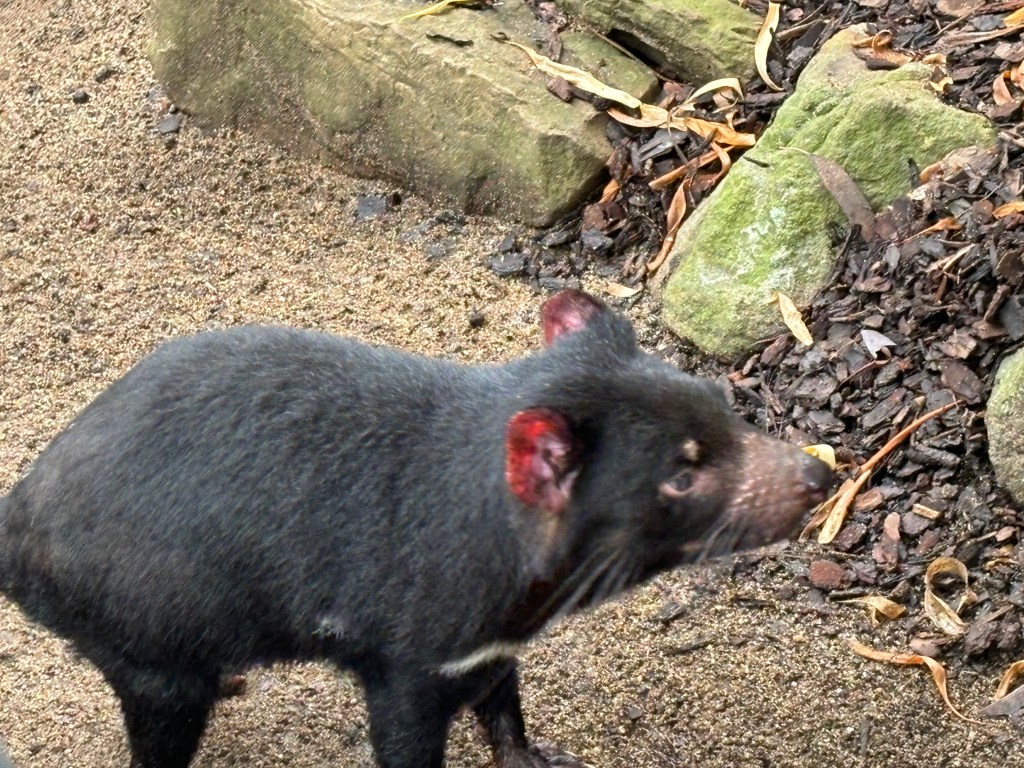
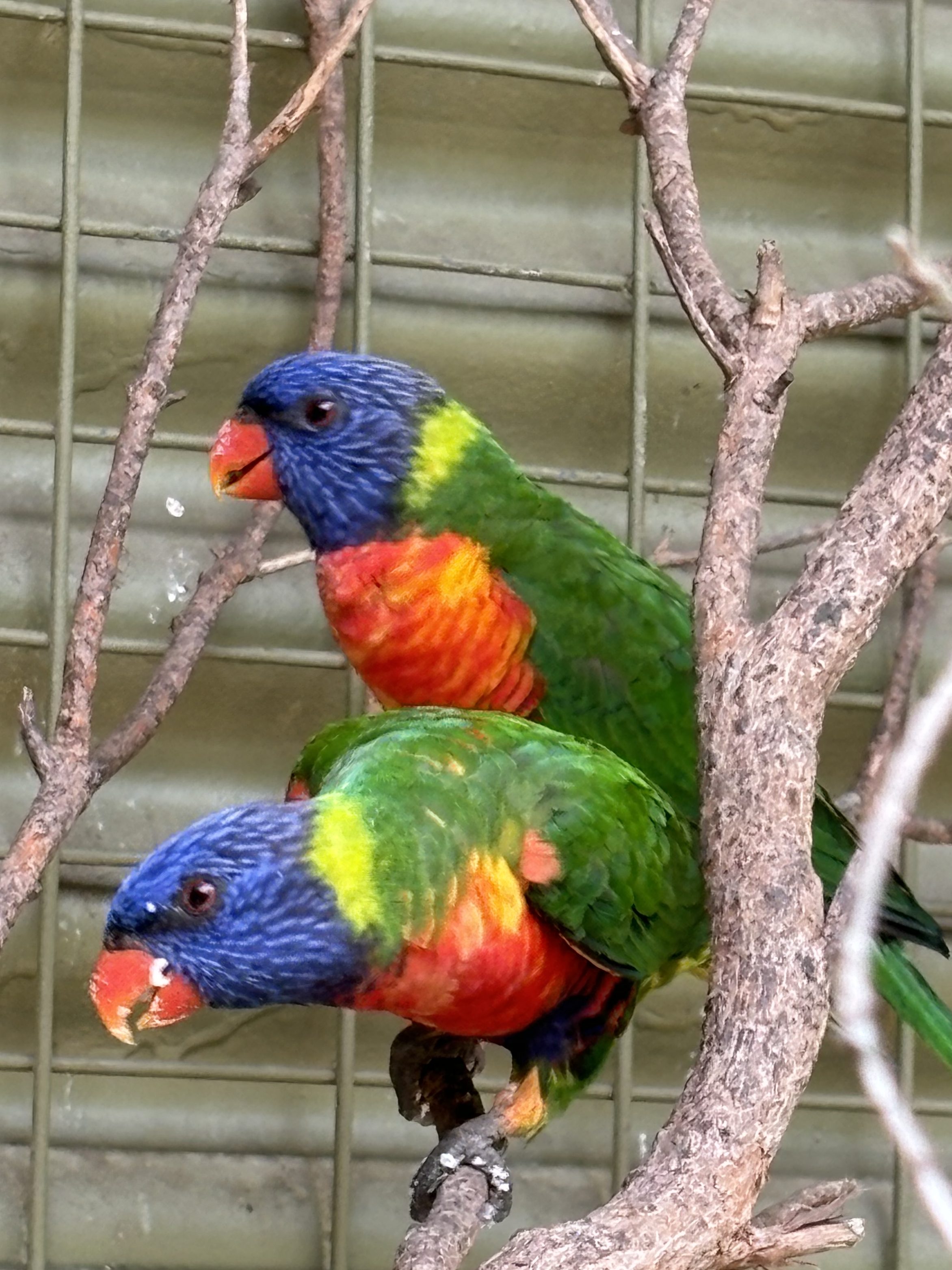
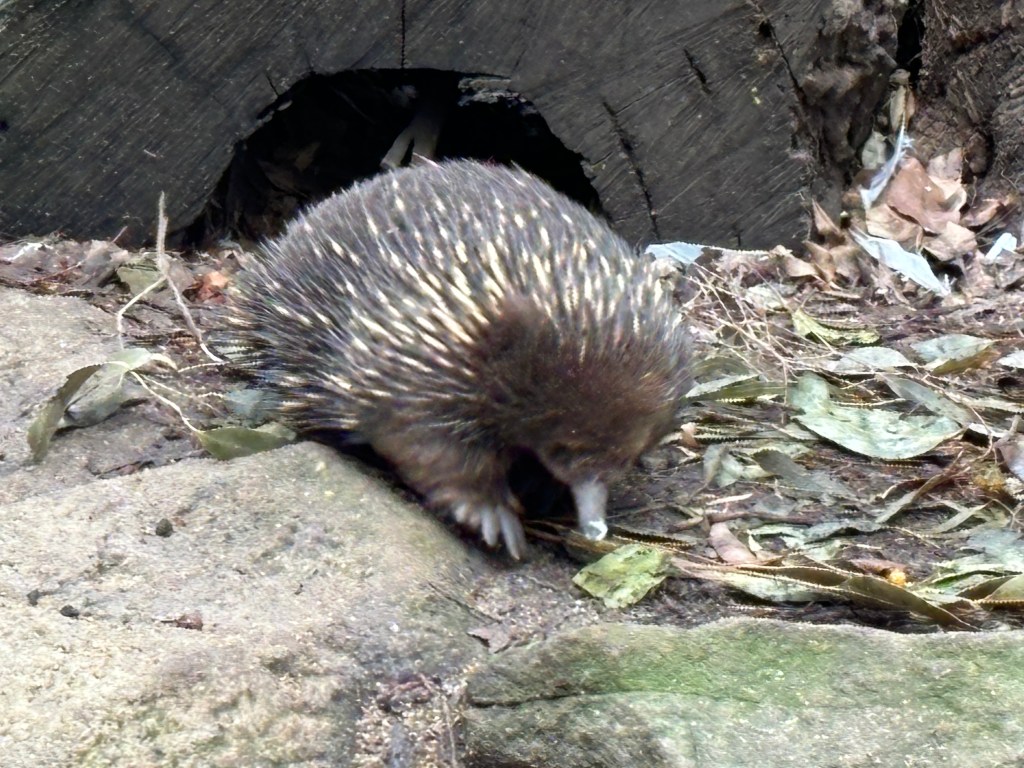
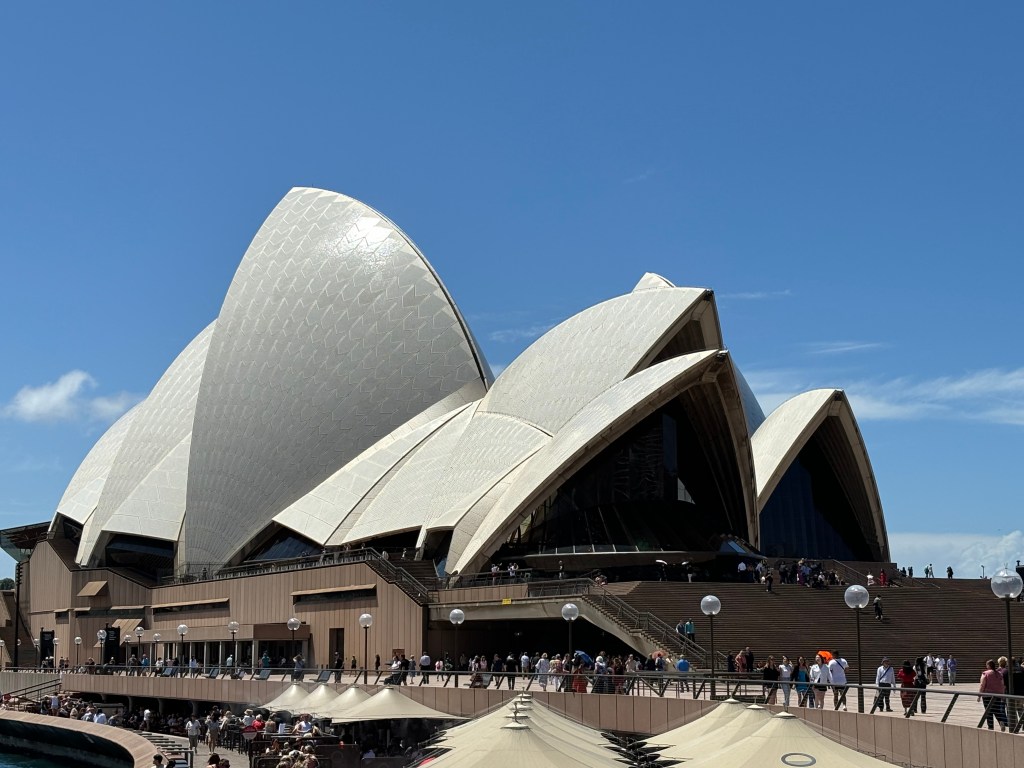
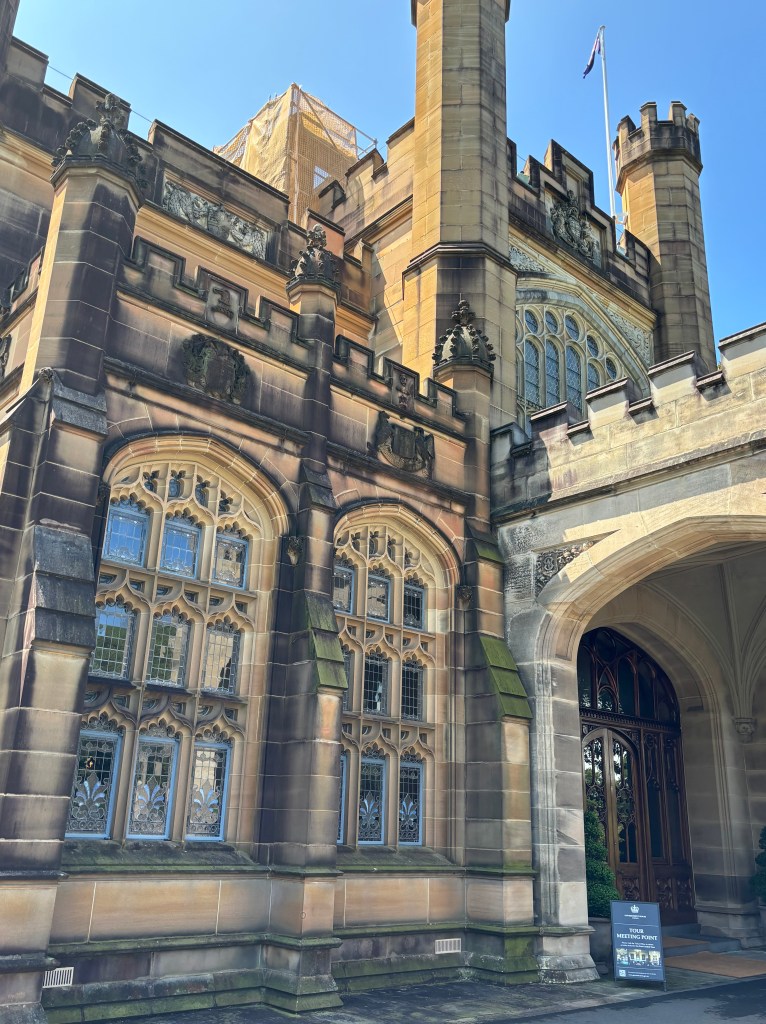
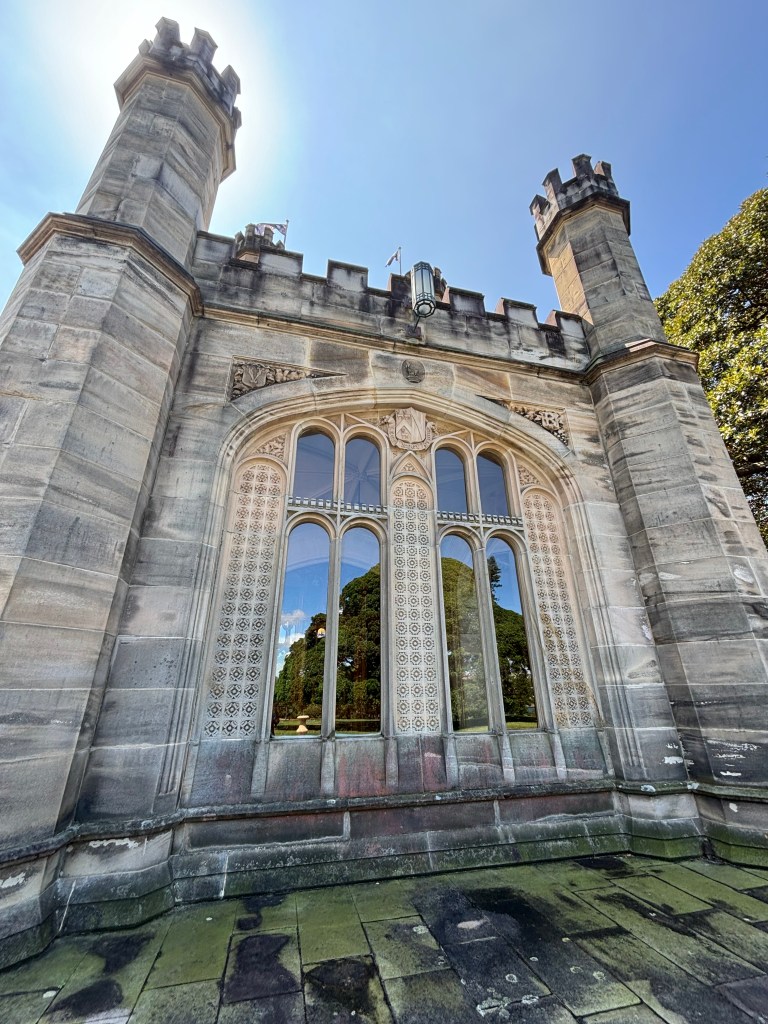
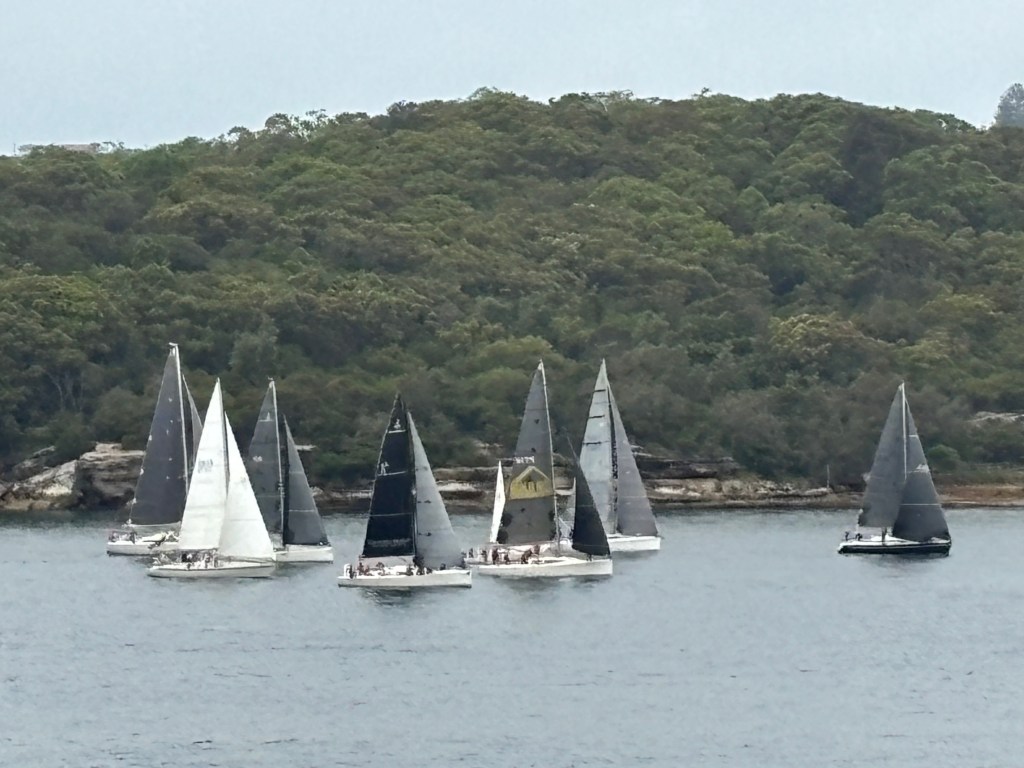
And now off to the north side of town.The bottle brush plantNow we’re off to Manly BeachAnd then off to a north shore spot where Mikael and Sonny used to live.And a nearby point where Mikael went fishing – purportedly some biggish fish caught here.And now after a day or so of sailing south, we’re down near Melbourne at Phillip Island where we await the “Penguin Parade” along with about 2000 other folks. These “Little Penguins” spend the day at sea feeding and then come ashore after it gets dark enough for the predator birds to not be a problem and head to their burrows for the night. It’s an amazing crowd of spectators that apparently are managed to not disturb the penguins. Here’s the beach, the crowd and a few shots of the Little Penguins that we saw at a wildlife park a few days later.And now over to Geelong in Port Phillip which is a big inlet that also fronts on Melbourne. We toured Geelong (je-long’) area which apparently is a big vacation, second home, and retirement area with several wineries in the area. Melbourne was an hour away on the train so we toured the local area.Bandstand and library near city hall.Valentine’s Day chocolate table on board the Viking Sky.Valentine’s Day toast! Espresso martini’s taste great but make sleeping a challenge.Now back to Sydney for a few days, starting with a tour of the town and a visit to the famous Bondi Beach. Very valuable properties in this neighborhood.A stroll around Darling Harbor before dinner with Mikael, Sunny and Logan. Darling Harbor is along the west side of the Sydney CBD and is a very impressive development with many shops, restaurants, ferry docks, commercial buildings etc. The high-rise building is 76 stories with casino, hotel and condos and is right next to “The Rock” where the convicts were off-loaded after trip from England which went on from 1788 to 1868 and included about 162,000 convicts! These came from many cultures around the Commonwealth so set Australia off on a diverse cultural base.Our final day in Sydney included a trip to Featherdale Wildlife Park with lots of the Australian fauna to see. Most of the Koala’s were napping as they are nocturnal but this guy was still hungry.Lots of green on this guy!And these Lorikeets put on quite a show!Echidna. One of the few egg-laying mammals.Up close with a CassowaryAnd the Croc!And a walk across town to see the Opera House up close.The Government House in the Royal Botanic GardenFriday evening departure in Sydney Harbor and lots of sailboat racers out.
After one sea day we made it to Wellington, the capitol city, which is located at the south end of the North Island. Auckland was the capitol until 1865 when the south islanders threatened to secede unless the capitol was moved further south. At the time they were flush with gold rush money so had some pull.
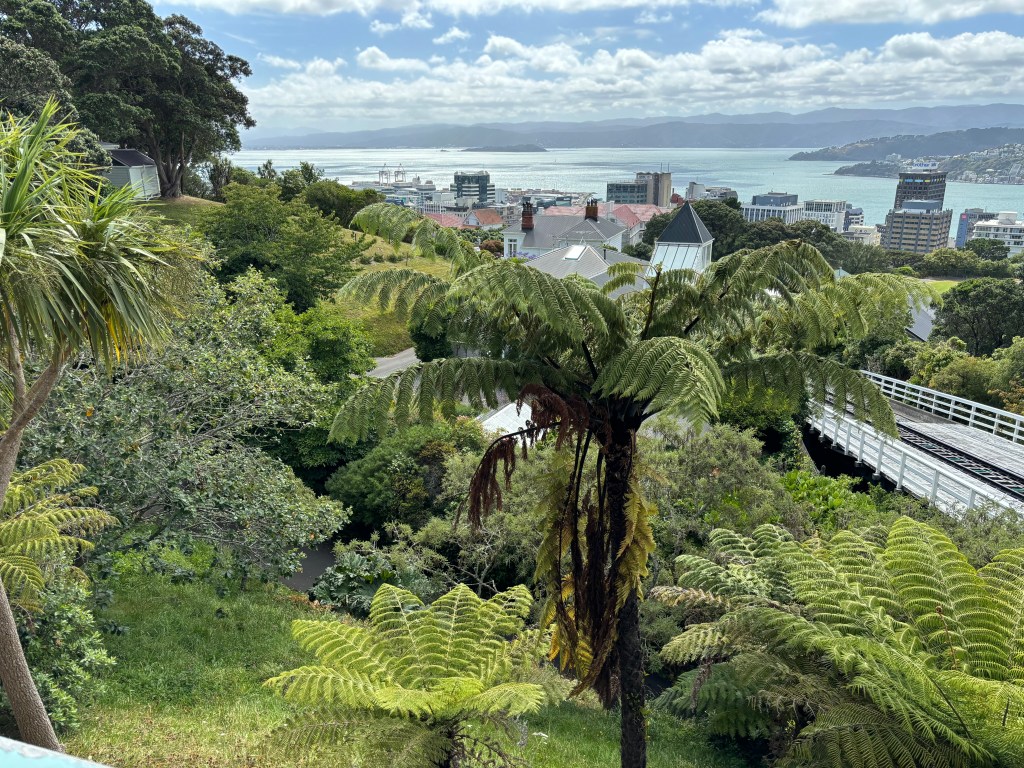
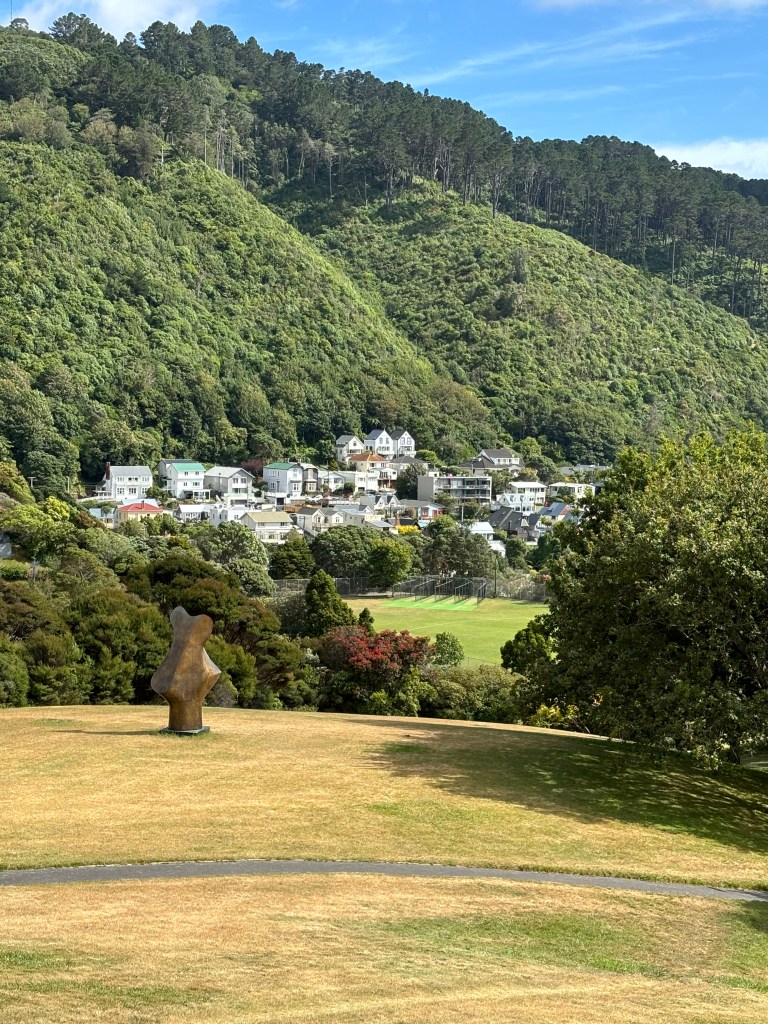
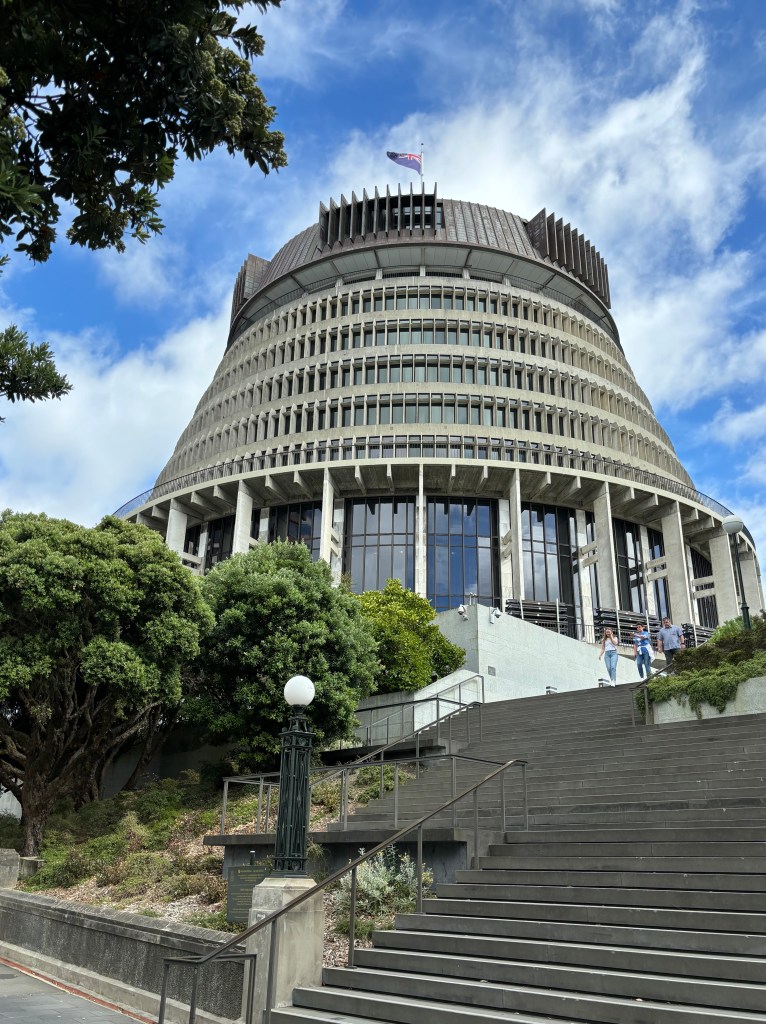
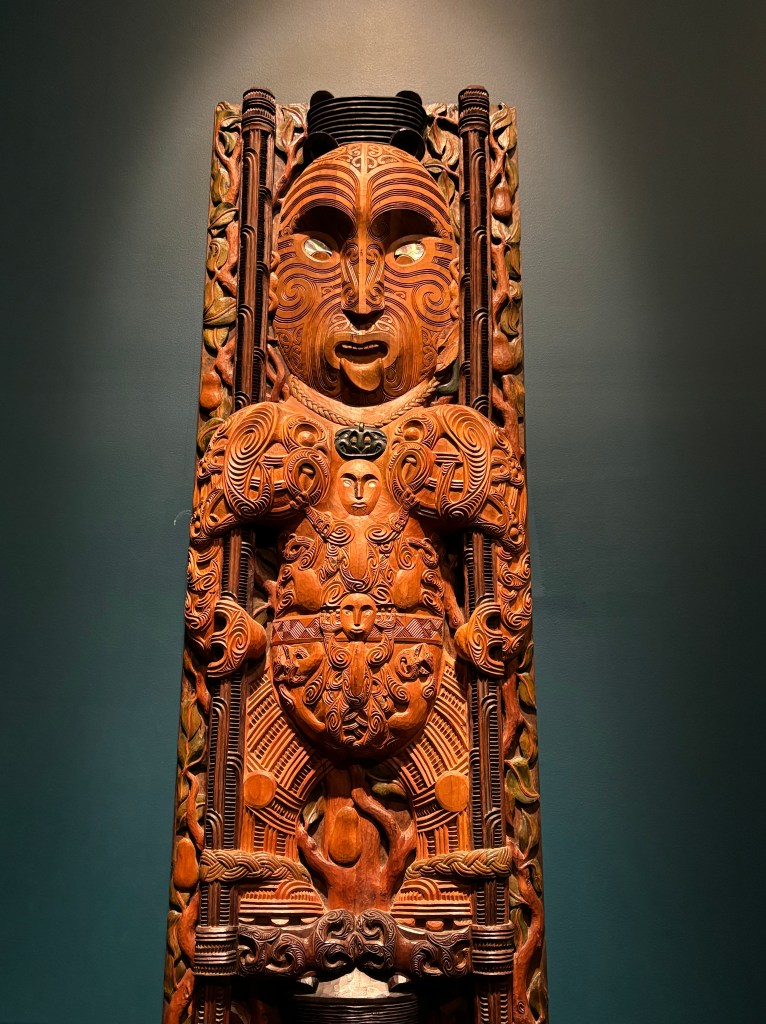
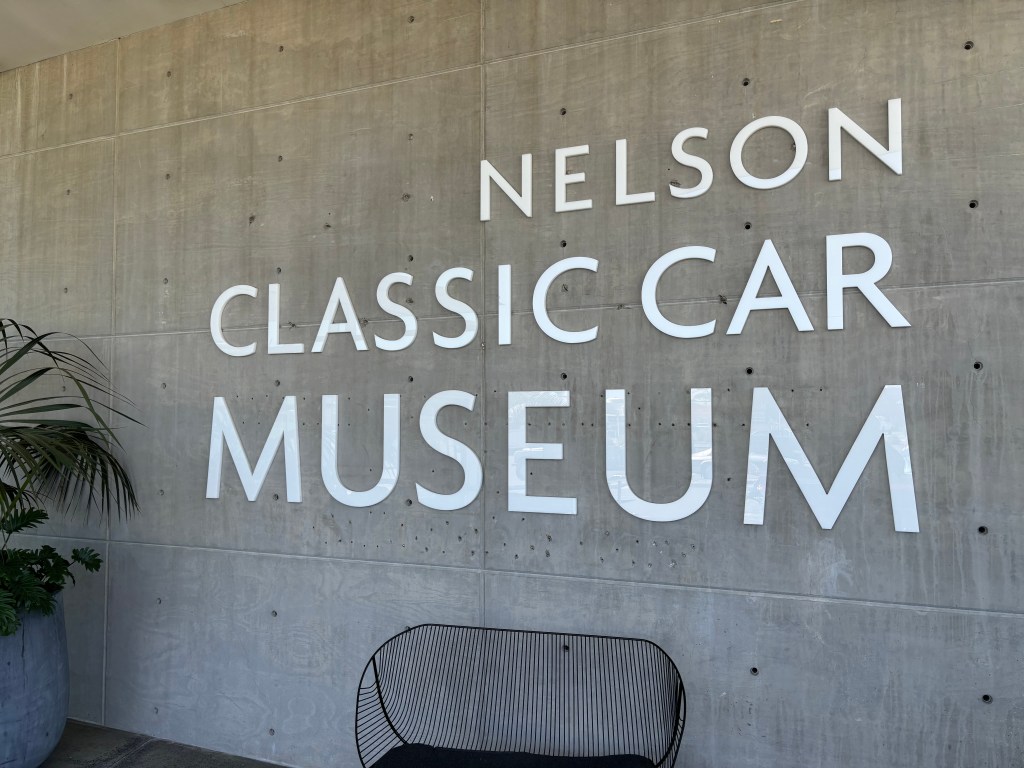
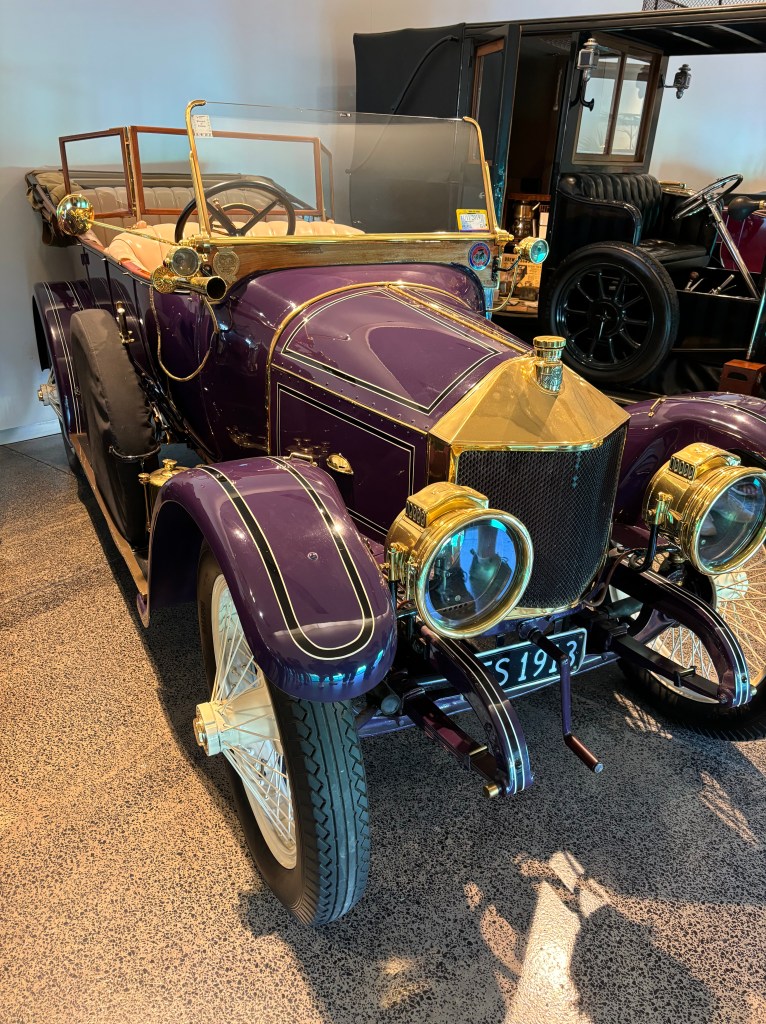
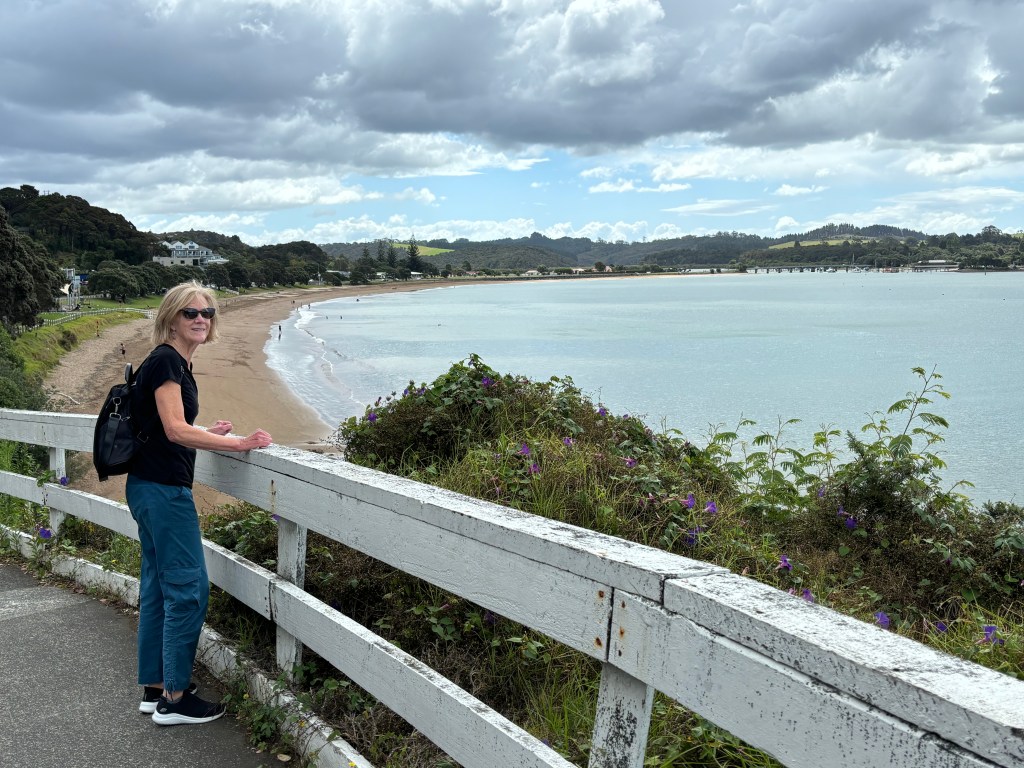
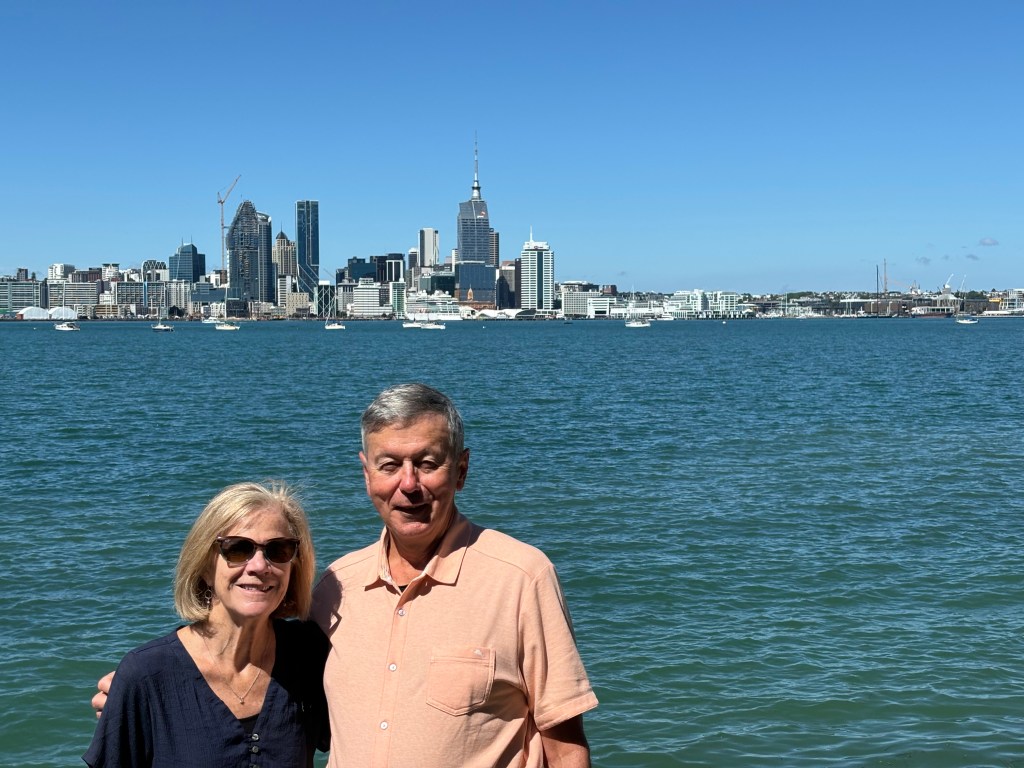
Here’s a pic from the top of the big museum in town.Marty and I hiked to the top of the cable car through a nice park and steep streets. This is a public cable car. Apparently there are about 65 private cable cars around town for access to residences – there are a lot of steep hills in Wellington which I expect creates a challenge for structural and geotechnical engineers!The hike up the hill started at the government buildings. Here is the state Capitol building which they call the “beehive” and story tells that the building concept started on the back of an envelope in a bar!And the old government building across the street has a “New Zealand Christmas Tree” in the front yard. These trees are numerous and have these red blossoms just before Xmas. This one must be a late bloomer.The Te Papa Museum was very big with lots of great exhibits including more Maori artifacts.And here they are loaded up and ready for action.Te Papa Museum includes natural history items like this actual size replica of a blue whale heart for kids to explore.Timber is the #1 biggest sector of the NZ economy so we saw big stacks of logs at most every port we visited. Dairy is #2 and tourism is #3And now we’re off to the South Island. Here’s the south portion of the North Island as we head out to the Cook Strait (named after James) for crossing to Nelson on the South Island (named after Horatio). Always windy in Cook Strait between the islands. And it appears the trees even have a hard time here as well.More logs in the Port of Nelson.Our excursion included a trip to:This local fellow has collected about 180 cars and has most of them on display. Lots of interesting info from our tour guide. And many cars from the 60’s through the present so brings back memories. Note steering on the right side as most of these were NZ cars.A spin through town included a nice art gallery and park in the back yard.Getting ready for departure from New Zealand. Here’s view west from our cozy spot in the port.And a view of the pass to get into the port. Entry requires a sharp left turn and a sharp right turn which led to a 2.5 hour delay in arrival due to high wind.The handsome couple again.Here’s our last look at New Zealand as we’ve just heard of a schedule change due to labor issues in Hobart and that we are now headed directly to Sydney to get checked into Australia which deletes our scheduled tour of the fjord-like sounds at the south end of NZ.
After five days at sea we made it to the North Island of New Zealand. So far we have made three ports of call; Bay of Islands, Auckland, and Tauranga. We were scheduled to be stopping at Napier today but they cancelled that due to rough weather forecast, so we are at sea today and due to visit Wellington tomorrow.
First stop was at Waitangi, a small town in the Bay of Islands. A treaty with the Maori’s was signed in 1840 in Waitangi. This was somewhat misunderstood by the Maori’s or taken advantage of by the British so they had a war about it a decade after the signing, and they are still sorting out where the chips fall after a big review of things in the 1990’s.
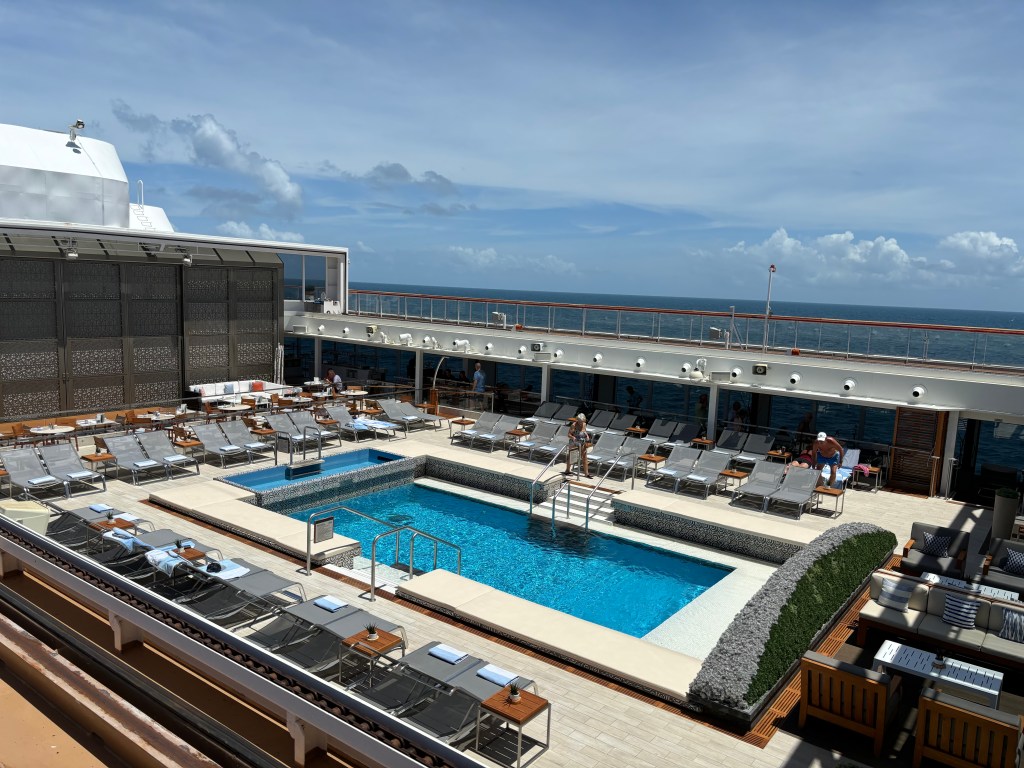
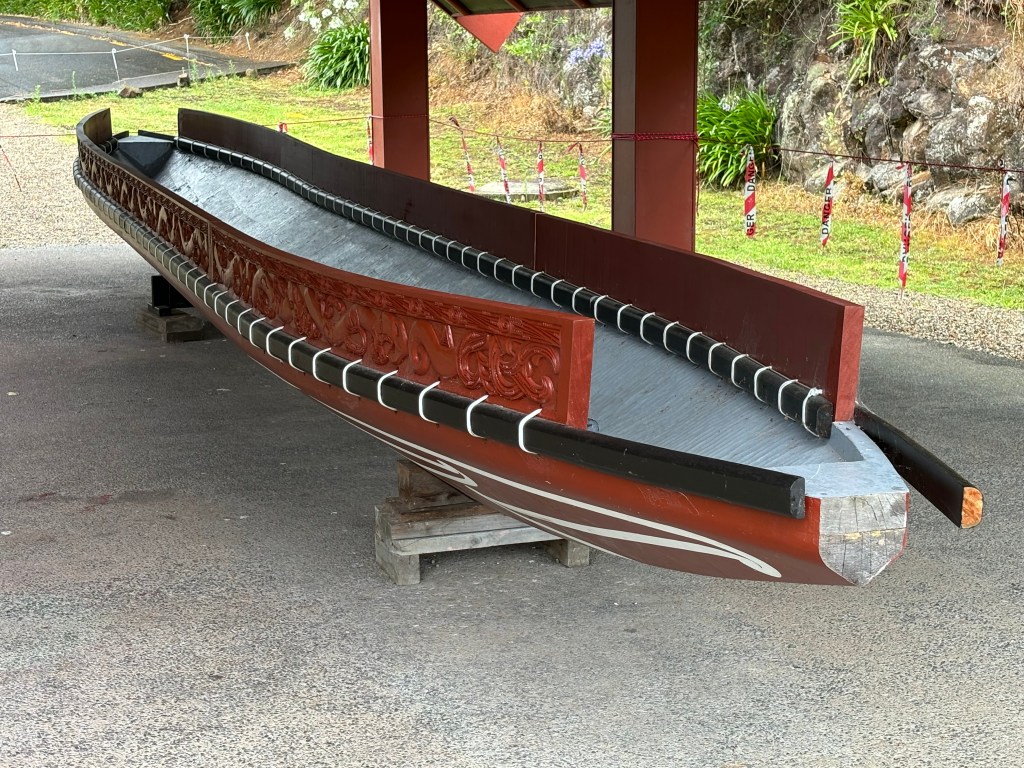
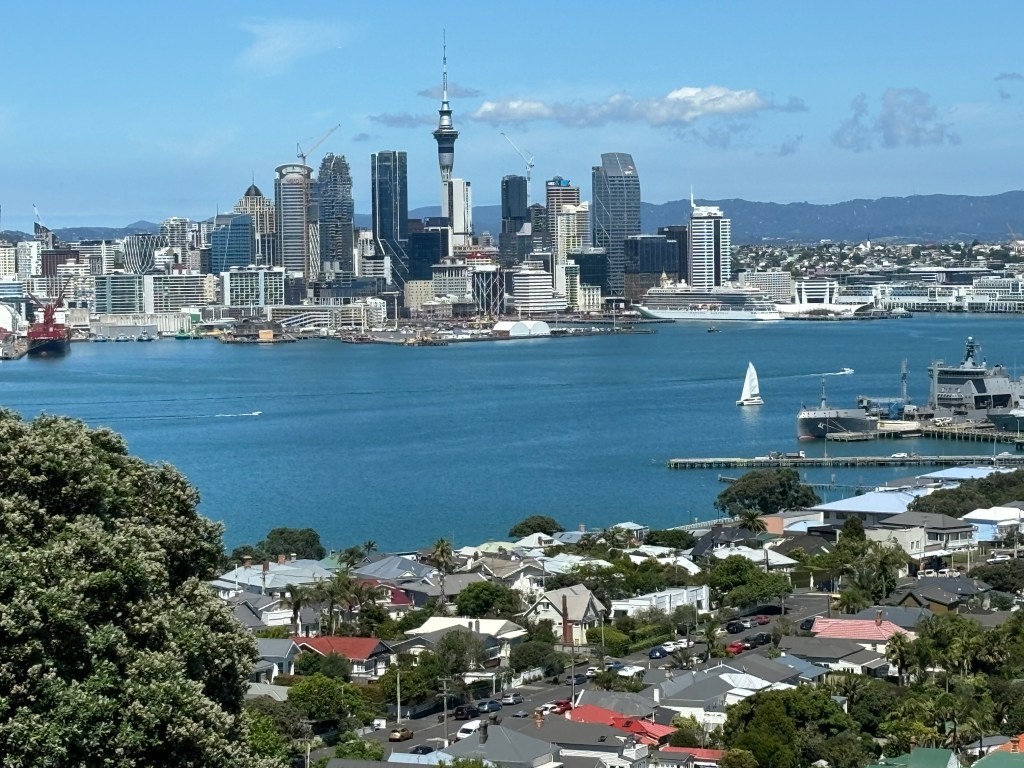
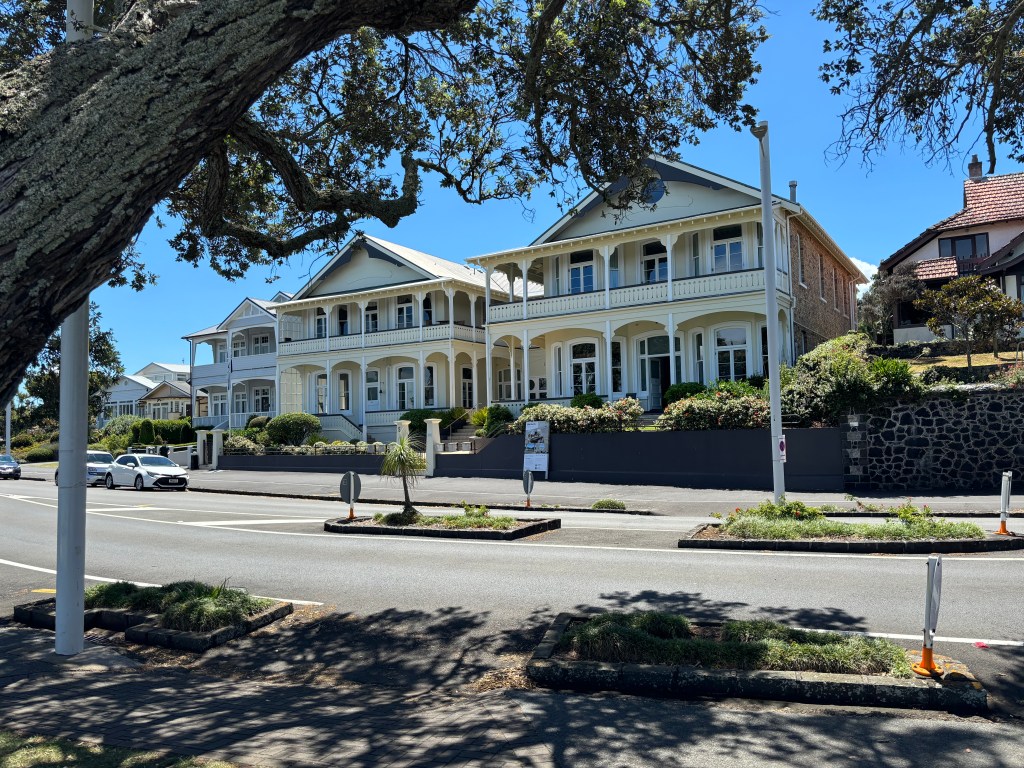
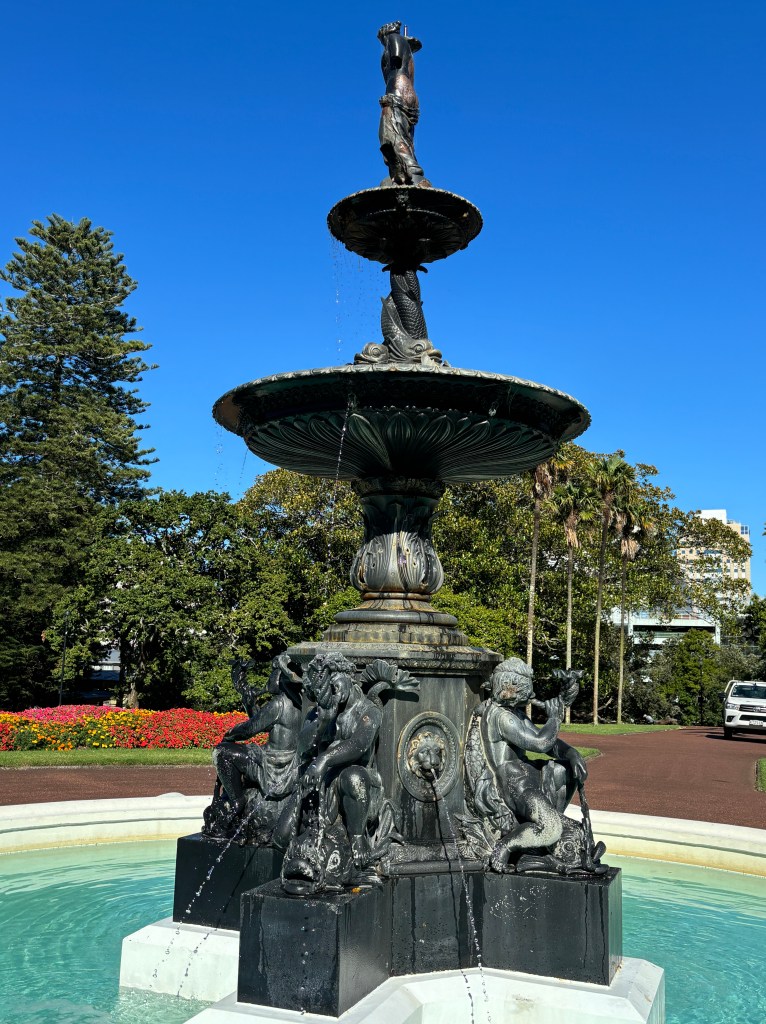
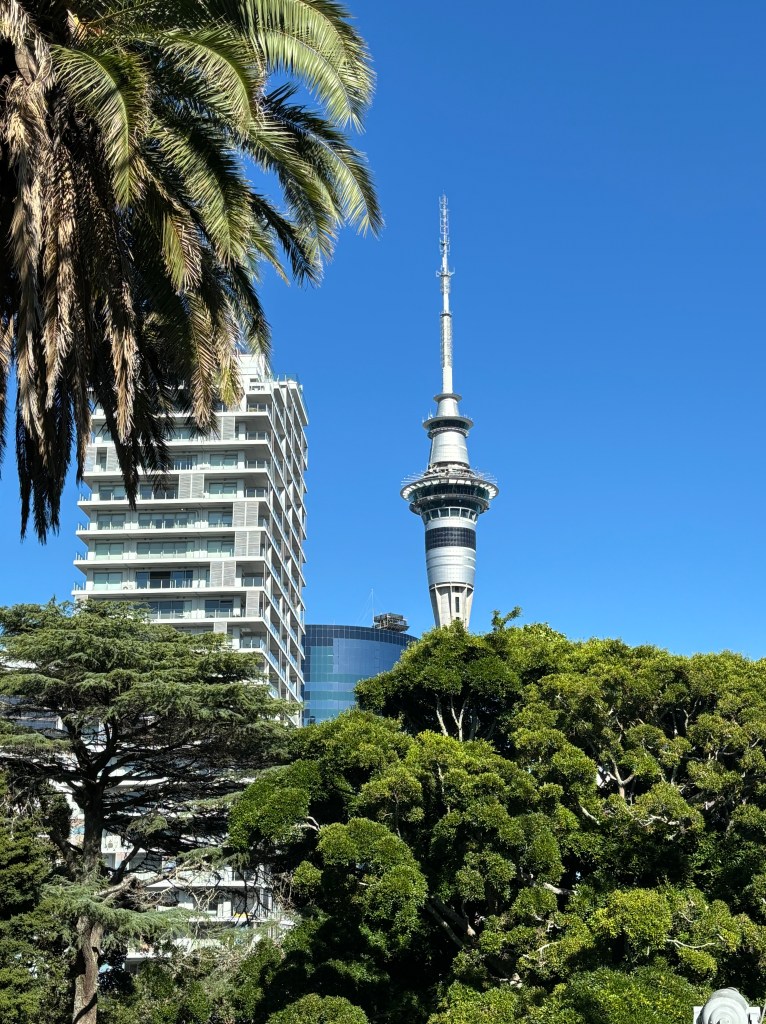
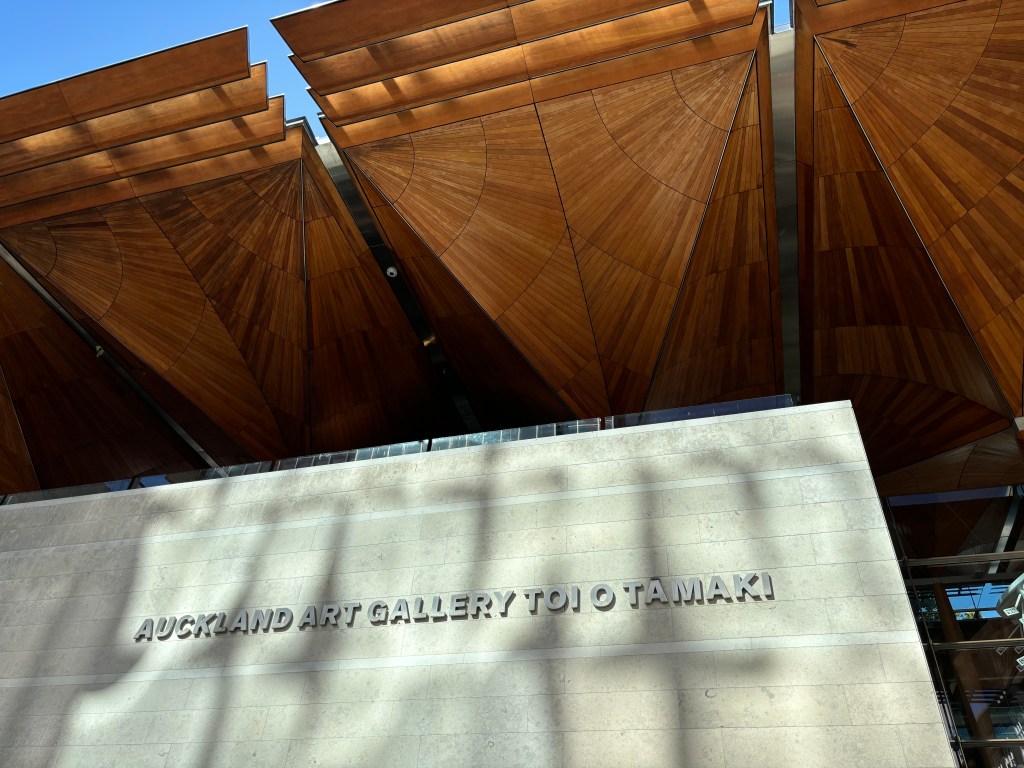
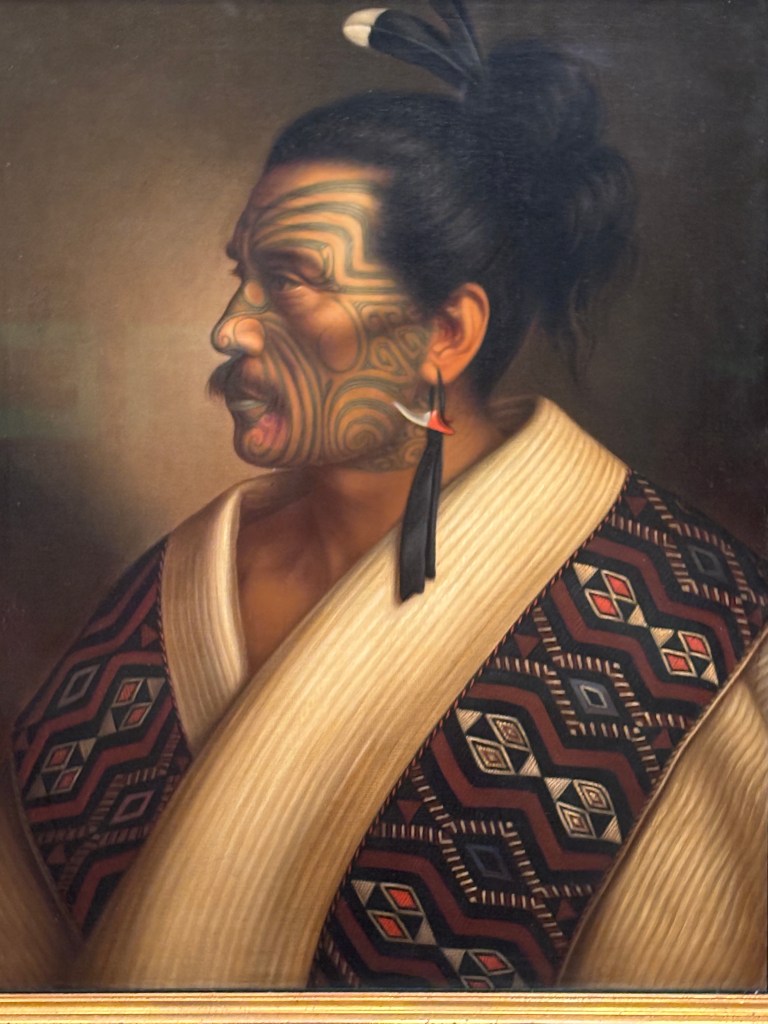
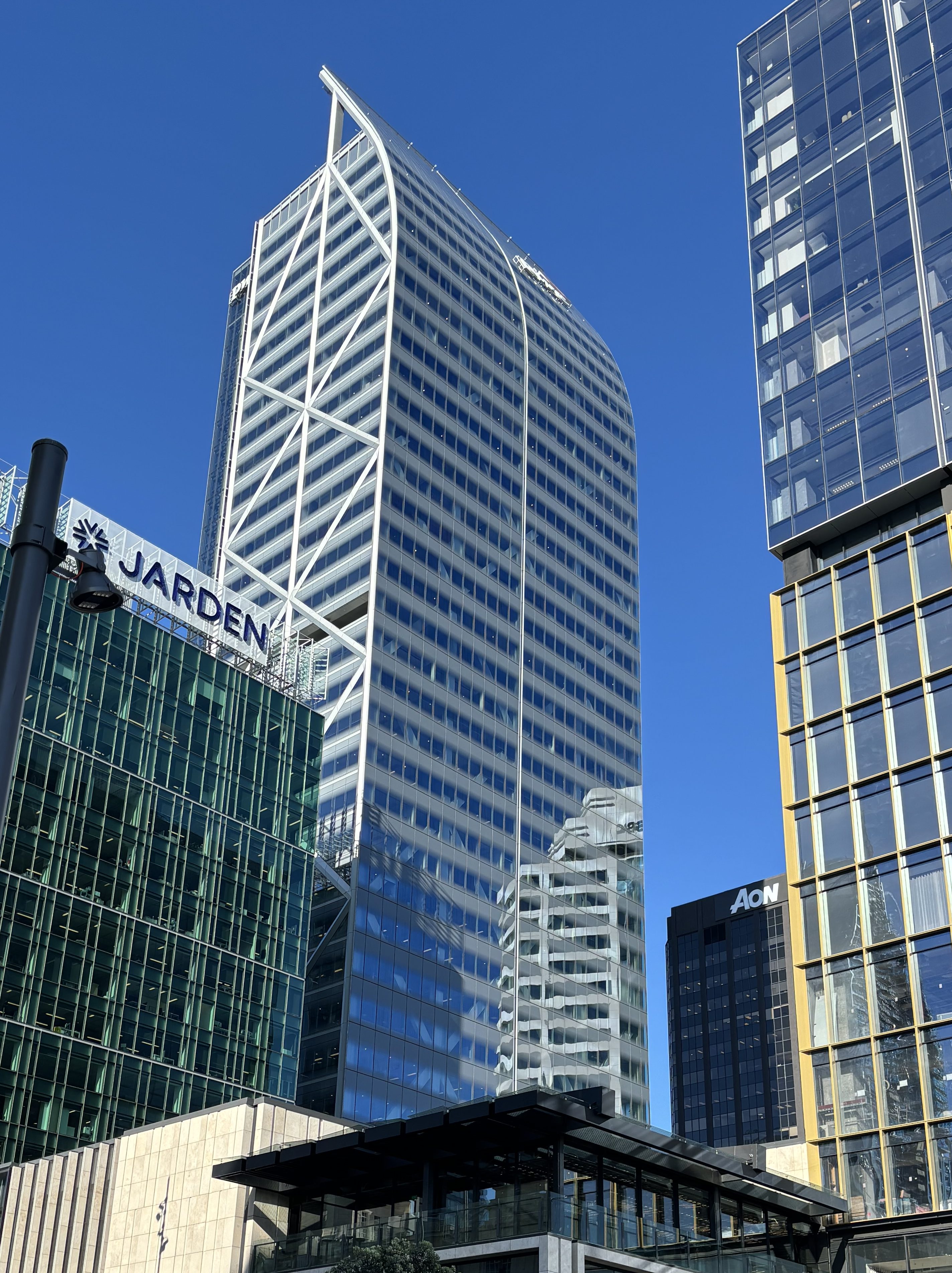
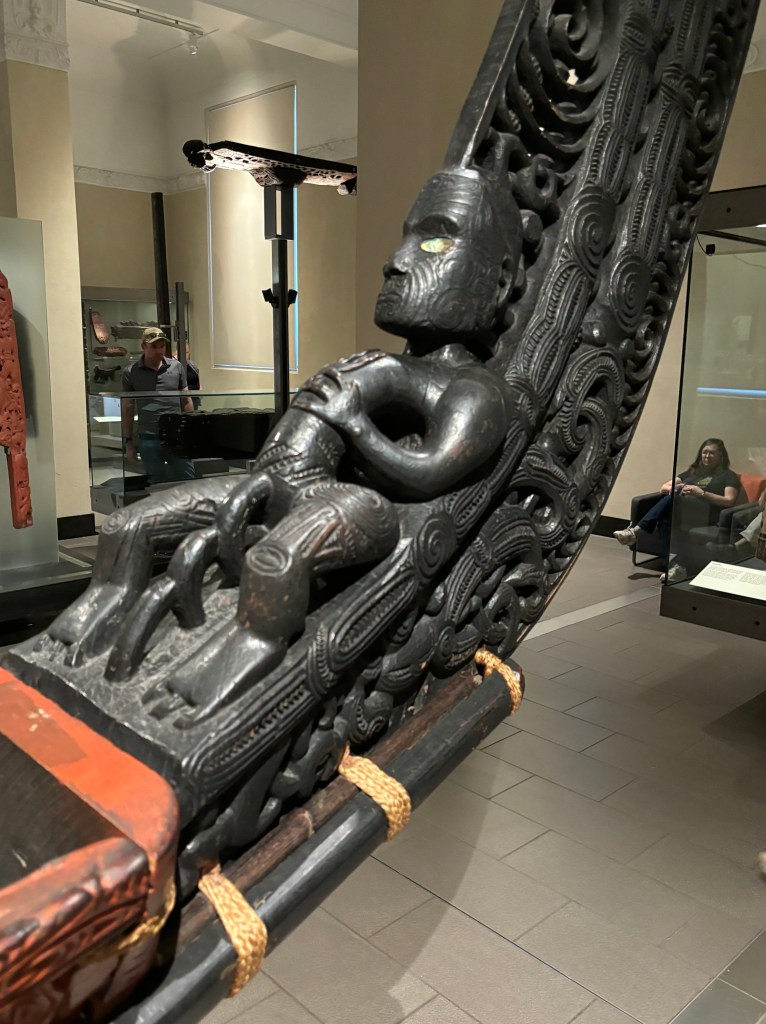
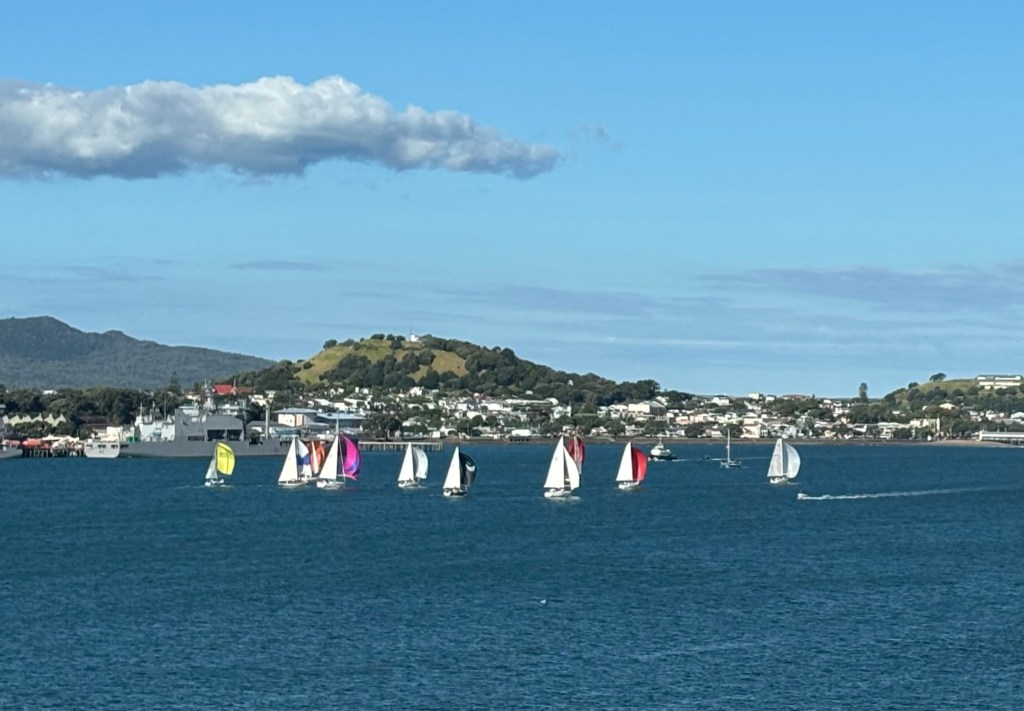
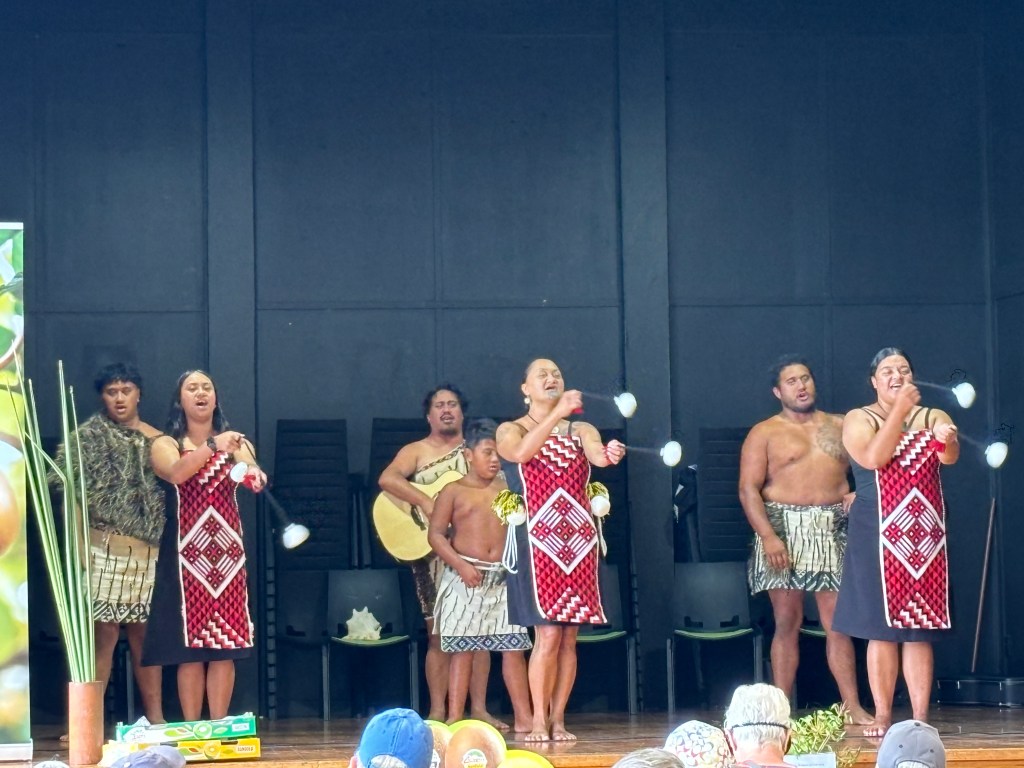
Here are pics of our travels in that area. Paihia is a short walk from the tender landing and a bustling tourist town.After a short bus ride through the green fields of the north island, we arrive at Kawakawa that has a notable public restroom designed some big name architect.Designer RestroomsAnd a Maori canoe.Rainbow falls. This is near the first English settlement, Kerikeri, dating back to 1820’s or so.Nice walk back to the tender dock which is at the other side of the bridge in the distance.And now the big city, Auckland, home to about a third of the New Zealanders – about 1.7 million of the 5.2 million total. View is from the top of an old volcano above Devonport to the north of the city on our day 2 excursion. Our ship is at dock below building on right side.Devonport is a navy base town dating back to the 1800’s with many Victorian houses. It became an Auckland suburb upon completion of the Harbor Bridge in 1959.Back in Auckland, Albert Park (of Victoria and Albert fame) was short walk from the ship.The Sky Tower.Auckland Art gallery next to park.Here’s a handsome Maori in the art galleryLots of new construction and sexy high-rise buildings in Aukland.The Auckland Museum was impressive with lots of Maori and Pacific islander art as well as natural history, and war memorial stuff. Here’s a more serious Maori war canoe.Keeping an eye on the helmsmanPacific Islander art. I think this is from Papua New GuineaRacing action in Auckland Harbor.And a sunset farewell.Tauranga, the largest port in New Zealand. Mount Maunganui guards the entry into the well-protected harbor.Our Tauranga excursion included a tour of the port and town and took us to the kiwifruit growing fields including shopping and tasting of kiwifruit and products and a Maori dance troupe.Here’s a few pics from on board – the roof pool deck and the bridge.
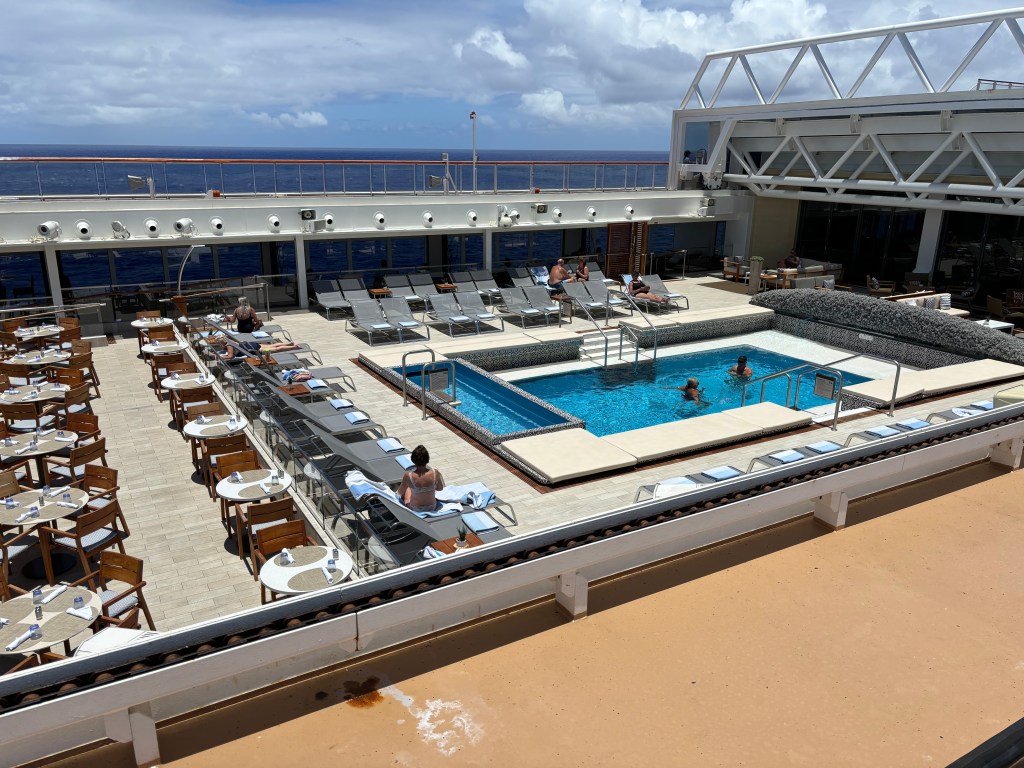
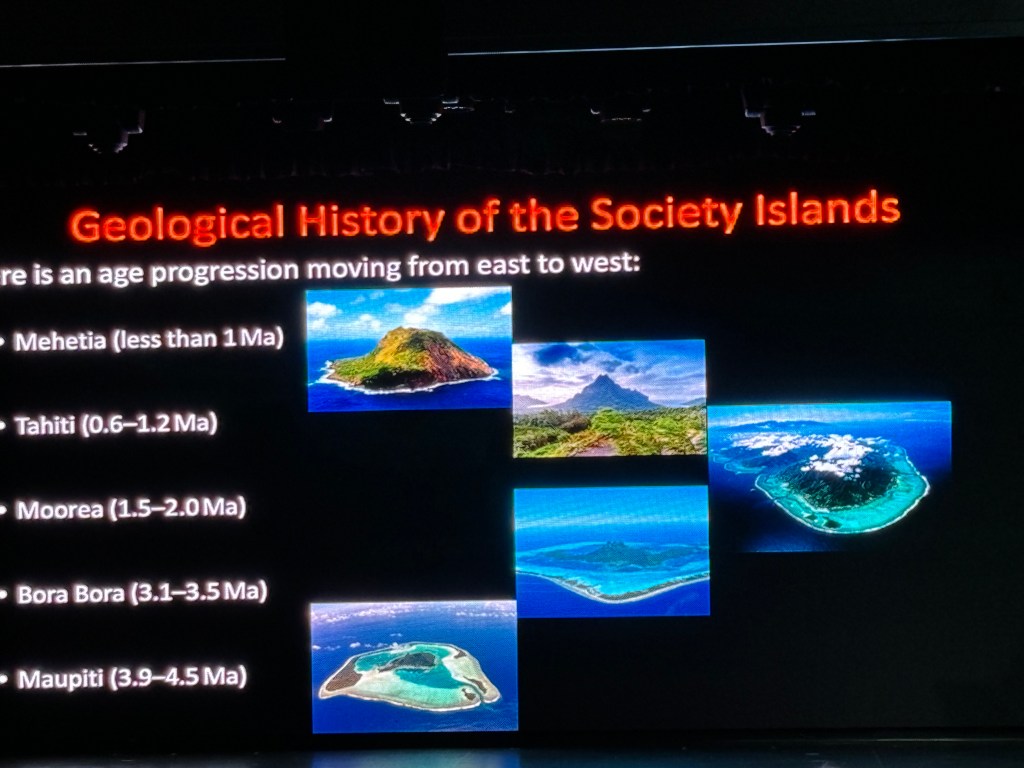
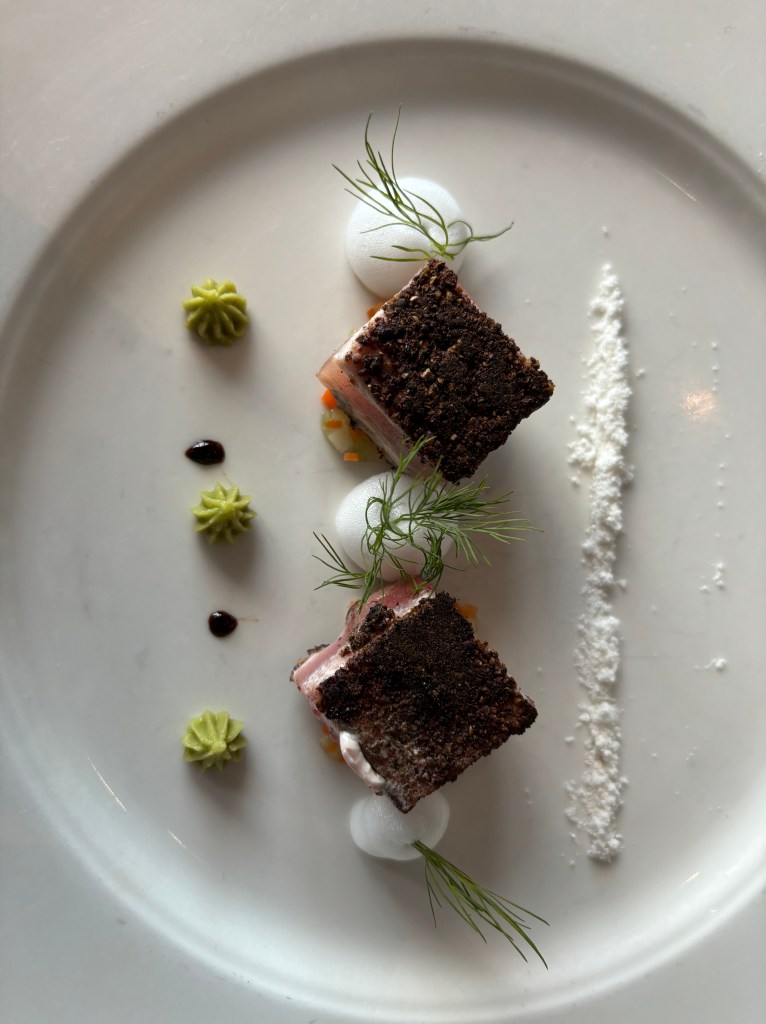
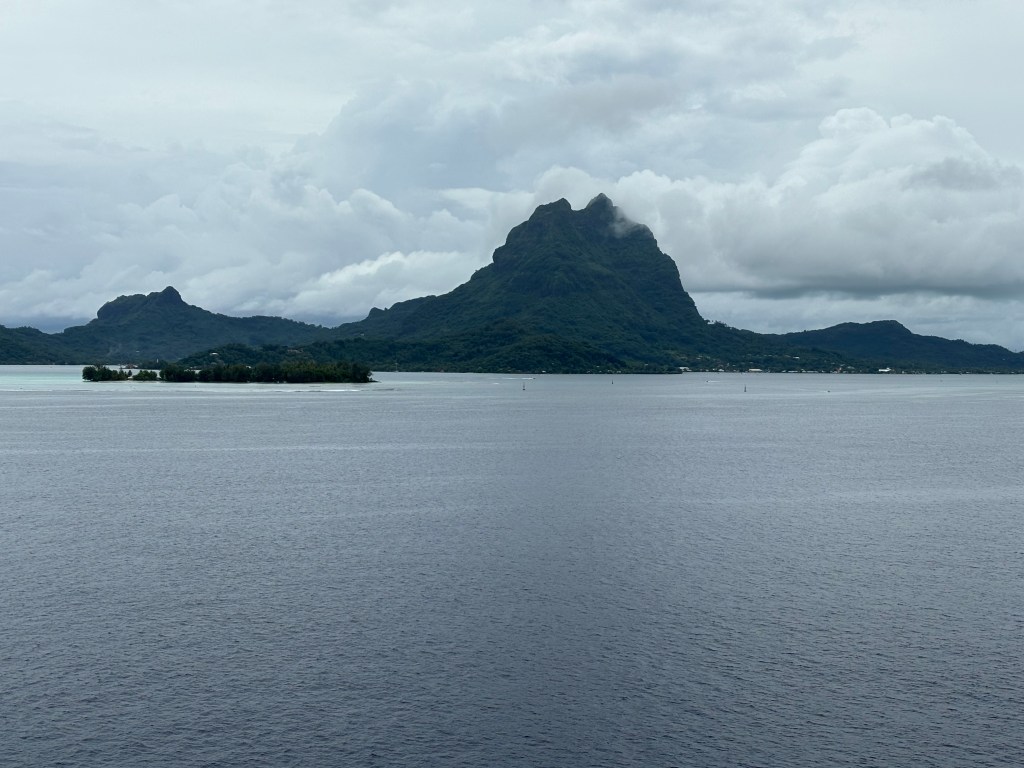
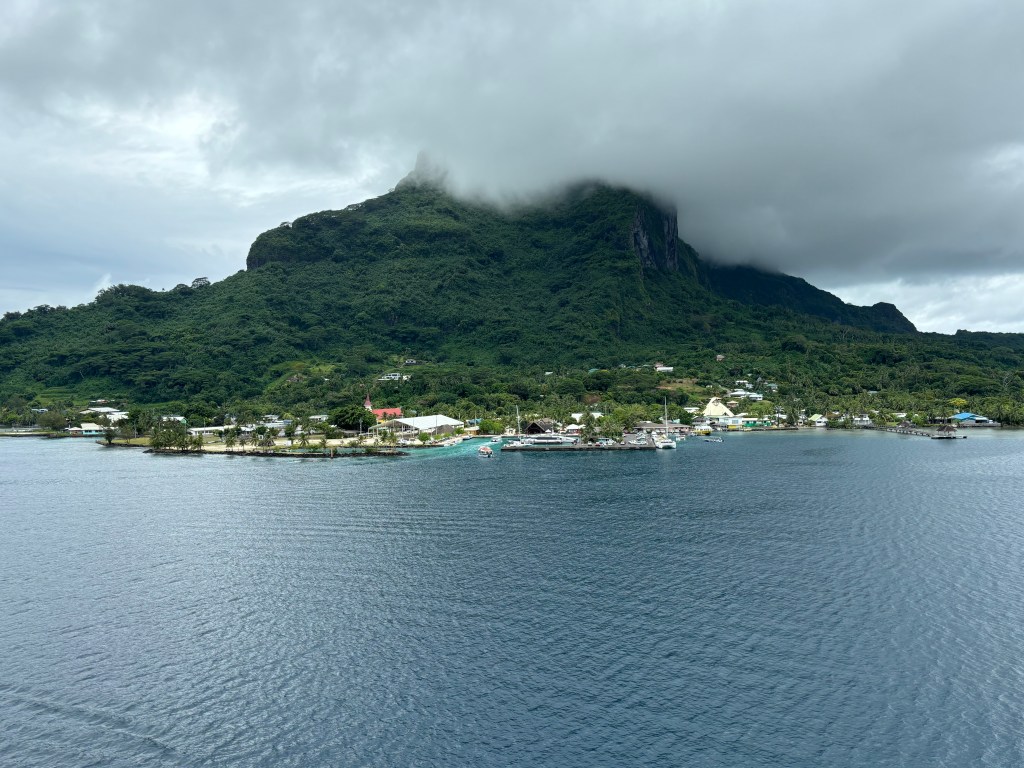
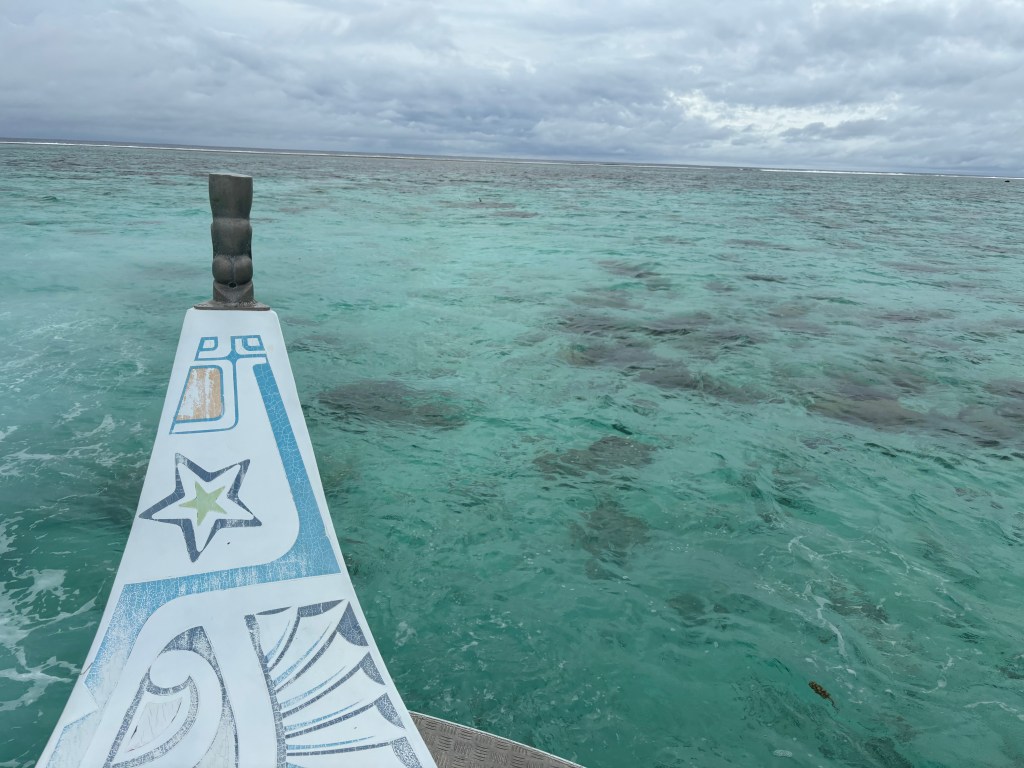
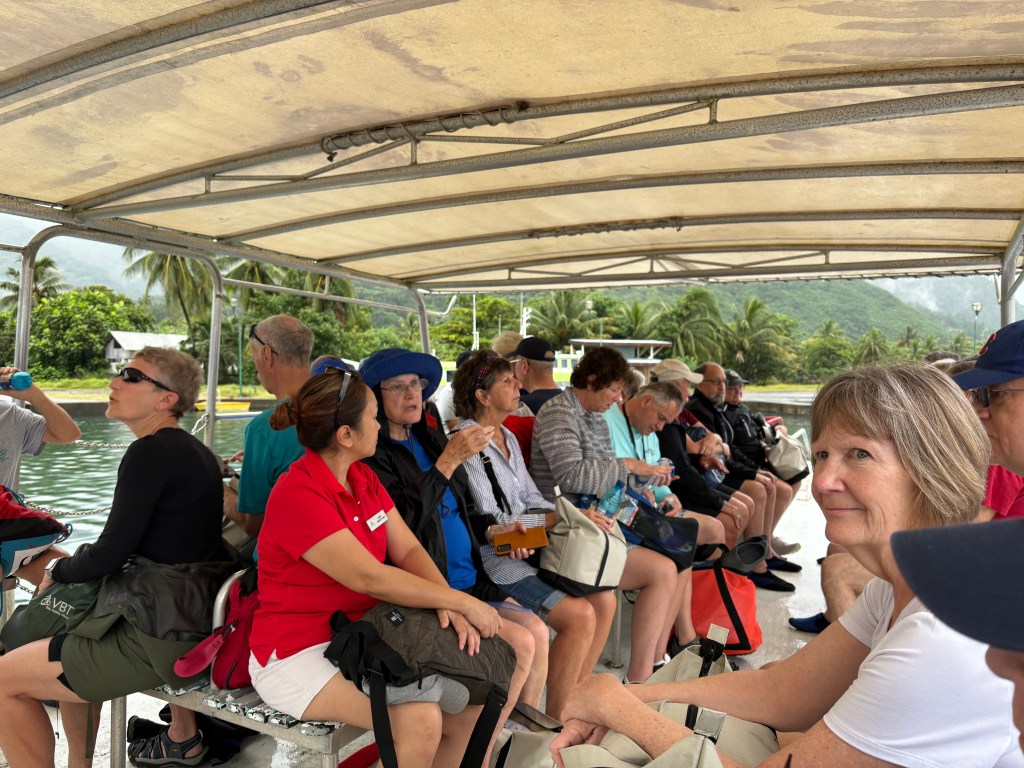
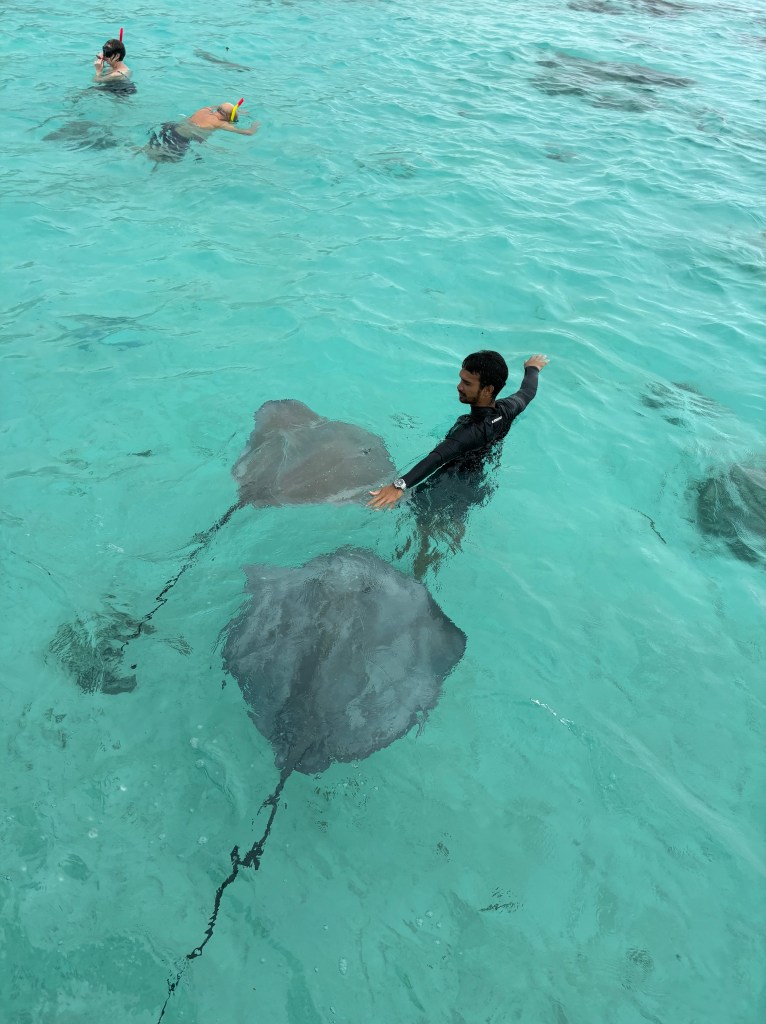
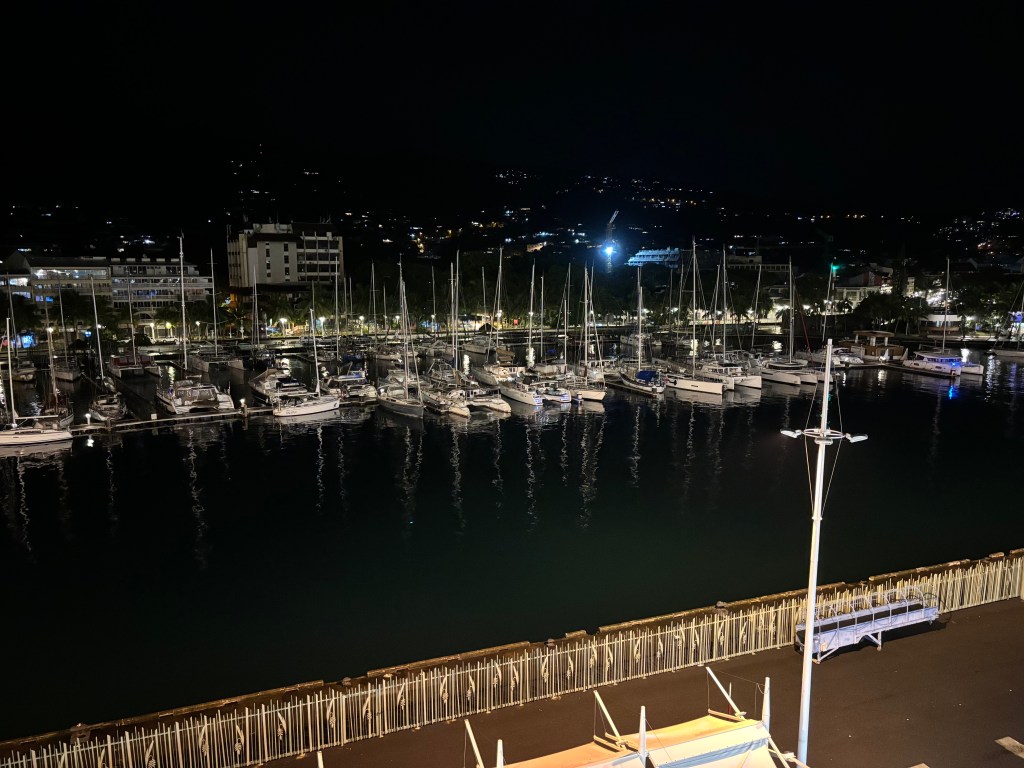
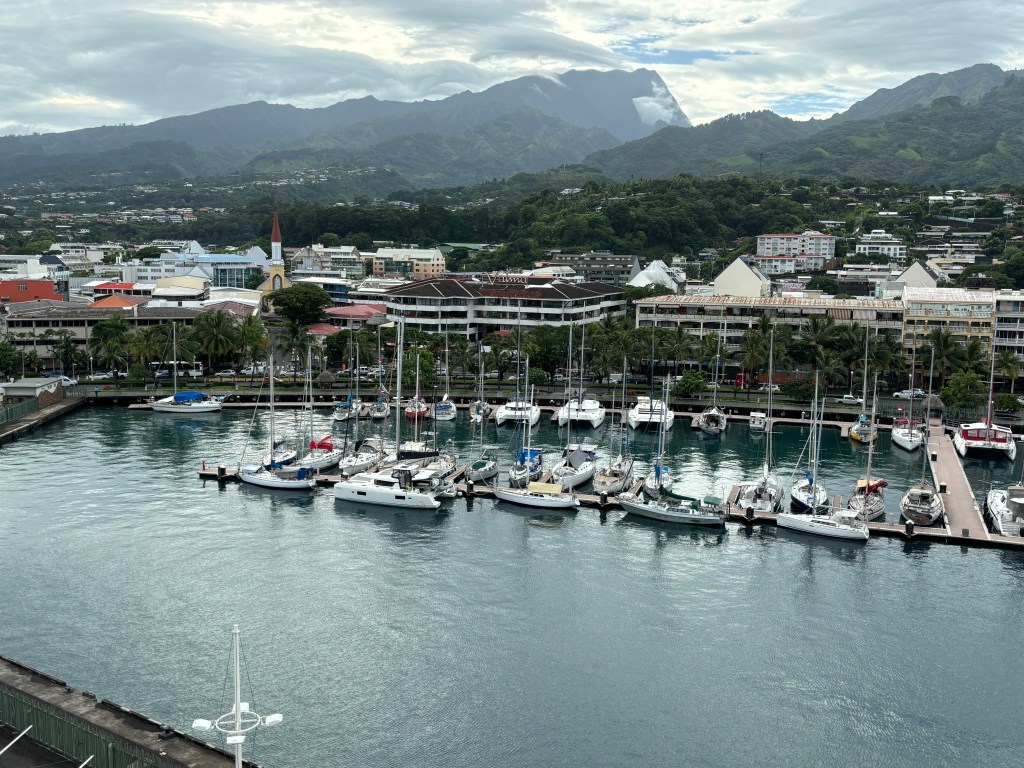
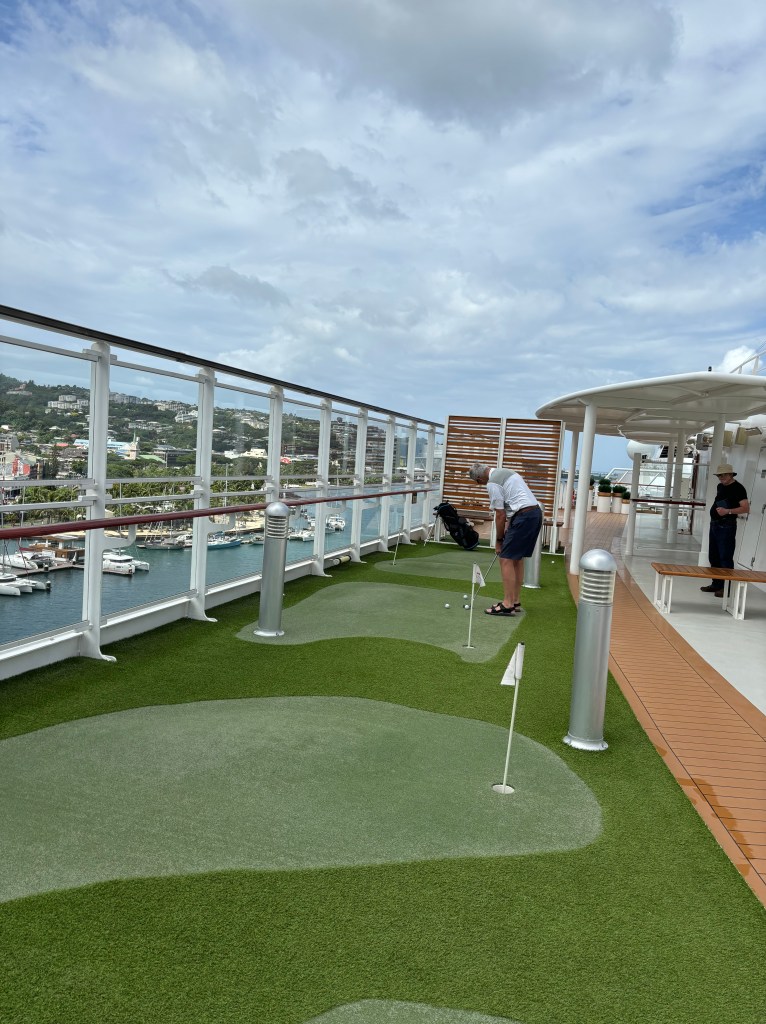
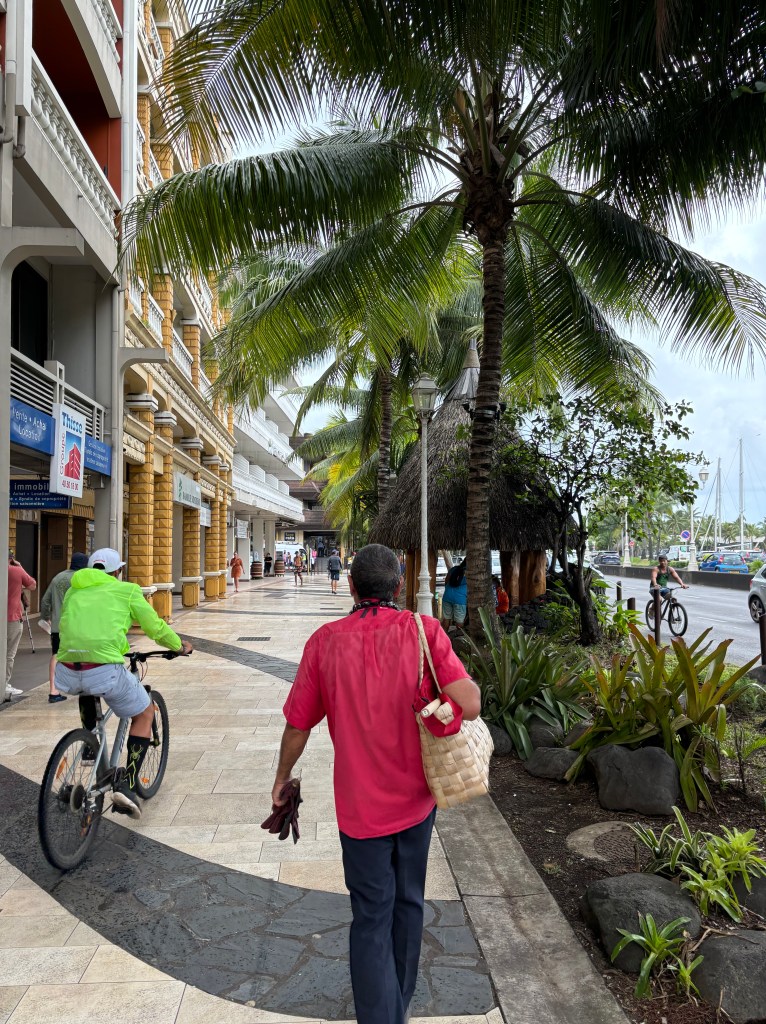
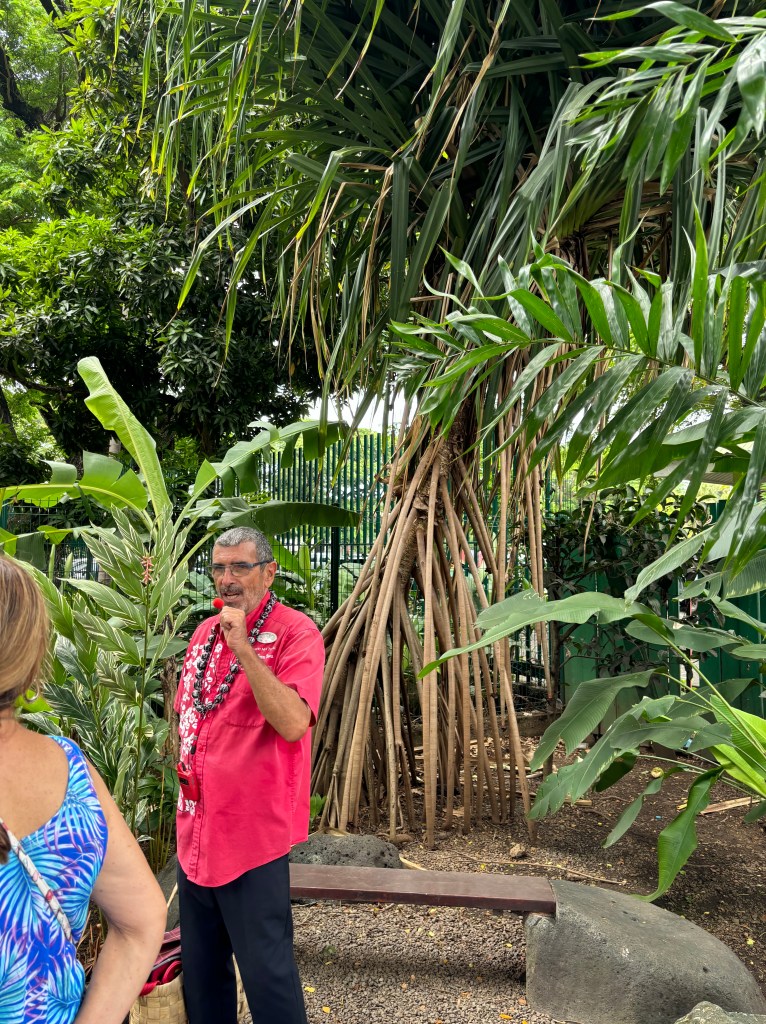
Prep talk from the Viking gurus.Soon to visit Bora Bora, Moorea, and Tahiti.But before we get there here’s a gourmet dinner on the high seas.Spicy Tuna TakakiArrival at Bora Bora. Just inside the pass through the reef.Bora Bora dock for our tenders. Did some shopping for flippers here as they were not to be provided by our snorkeling program.The Bora Bora welcoming committee with high quality ukulele workOff on our Bora Bora snorkeling adventure. Soon to be swimming with the sharks (black tip) and sting rays! A rain squall hit before we got in the warm water so we went from really chilly to warm fun. First dive has rays and sharks, second dive was in a coral garden. Both with great visibility and lots of fishNext day arrival at Moorea. Our Moorea snorkeling contingent (not Marty)Sting rays! OK to touch on the back, but not the tummy (mouth and teeth down there)A handsome couple!Our snorkel boat management team – speaking Tahitian and laughing up a storm the whole way. Good funLooks like a good life on MooreaA Hilton property. Rumor is that the tab is $1000 per night plus. Nobody was there now – must be the rainy season.Our trusty ship looks small with the Moorea peaks behindJust outside the pass on Moorea departure. 7 or 8 surfers at the pass.About two hours later we’ve arrived at Papeete harbor.Papeete. Our tour guide told us Henri Matisse spent several months in hotel in left of photo (about 1930) but was depressed and did only sketches, no paintings while here. But upon return to France he did some notable paintings based on his recollections looking out the window of the hotel.Looking left from our deck at PapeeteGolf practiceOff on our walking tour of Papeete with our worthy guide leading the way. Lots of great info on Polynesian history, plants etc.Polynesian roofing made from Pandanus leaves which they also used for making sails. Roofs last about 16 years!And here’s a Pandanus tree. The original wave of Polynesians brought these with them from their starting place which was Taiwan (or thereabouts) back before 1000 AD.Papeete market. Lots of great looking fish, fruit, jewelry, crafts, etc.


























































































































 Charlie and Marty’s World Cruise